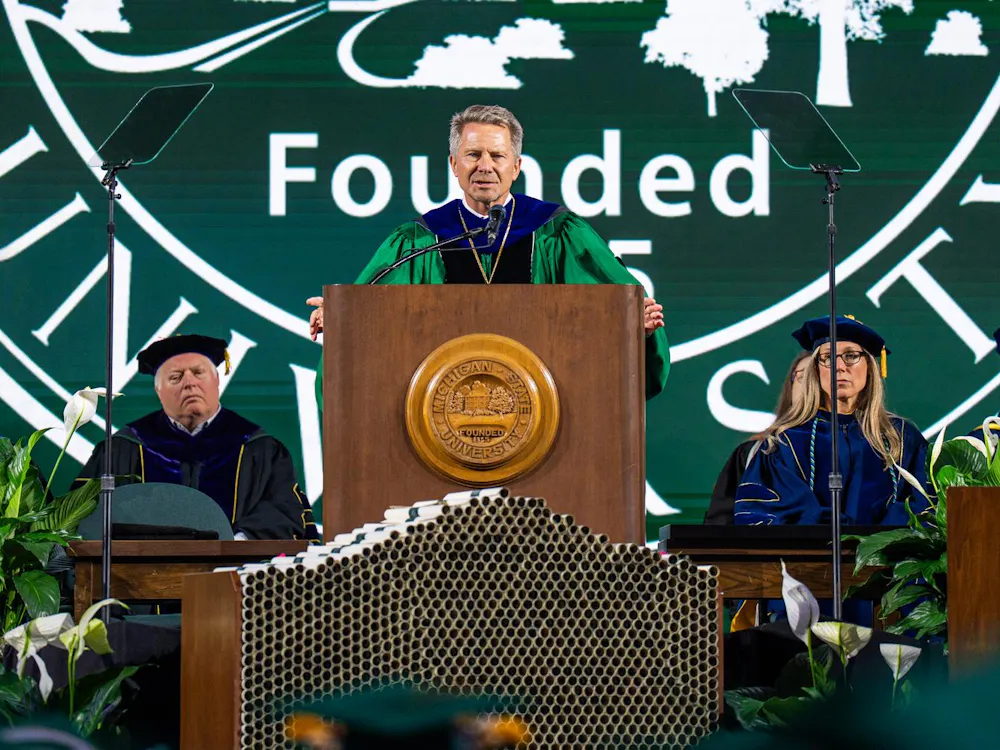
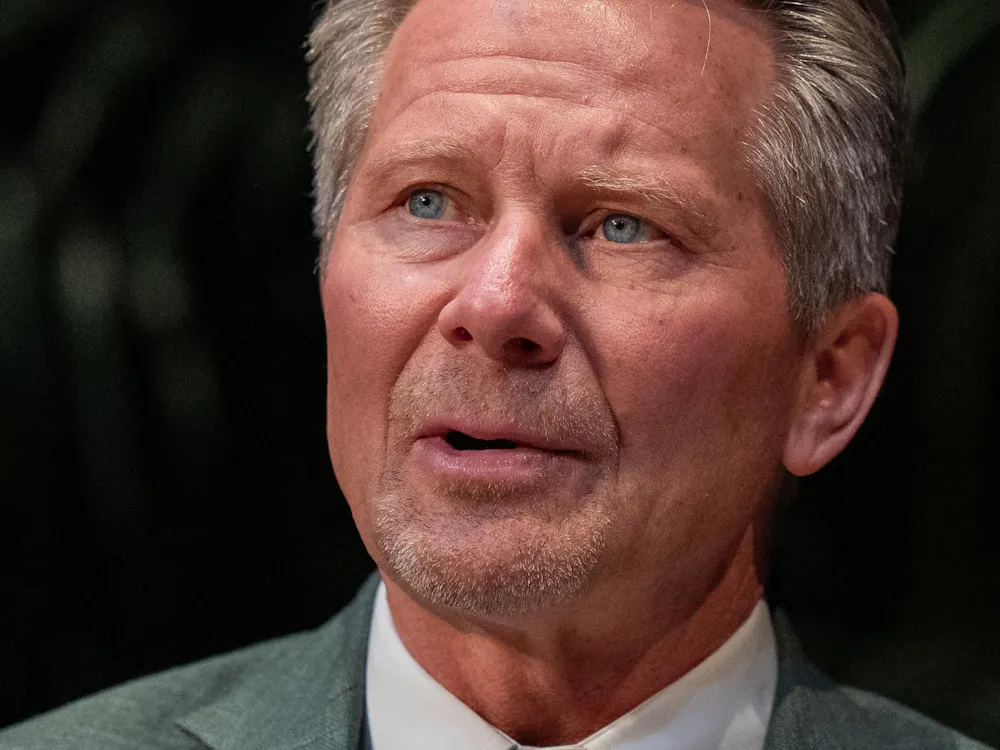
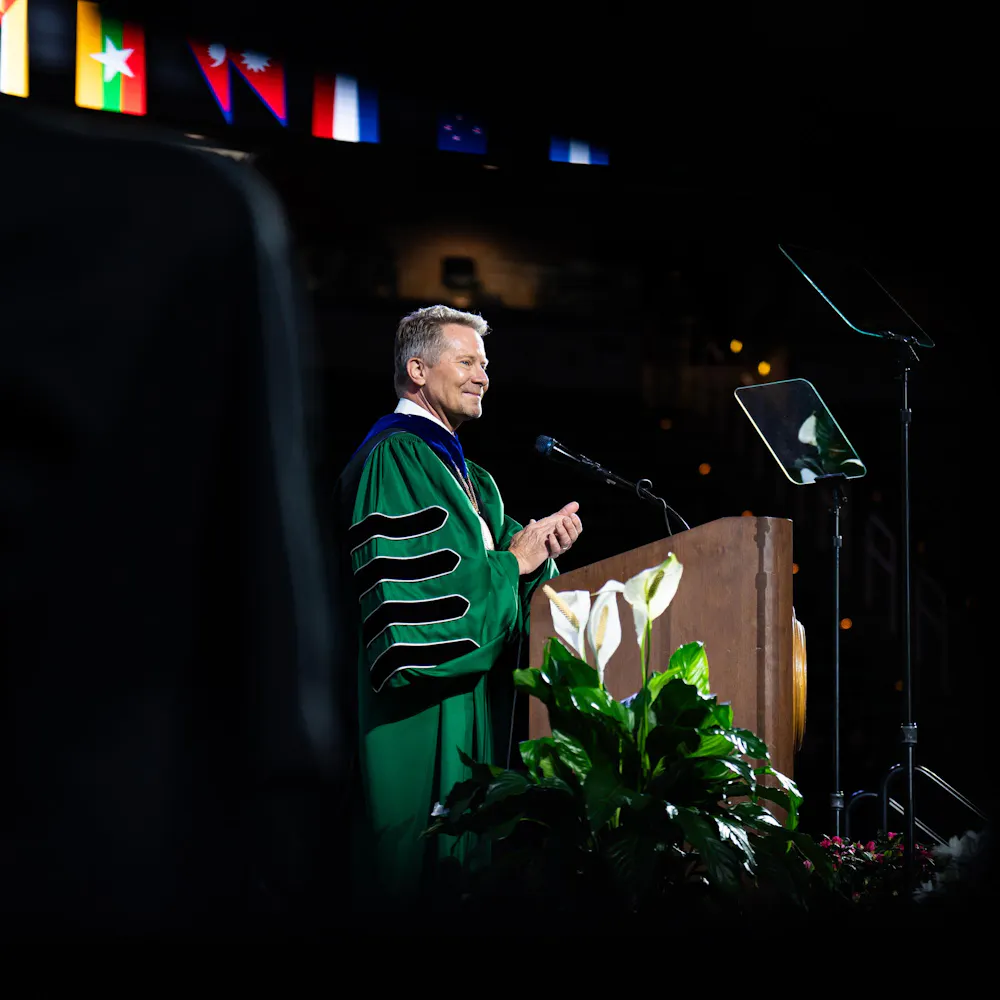
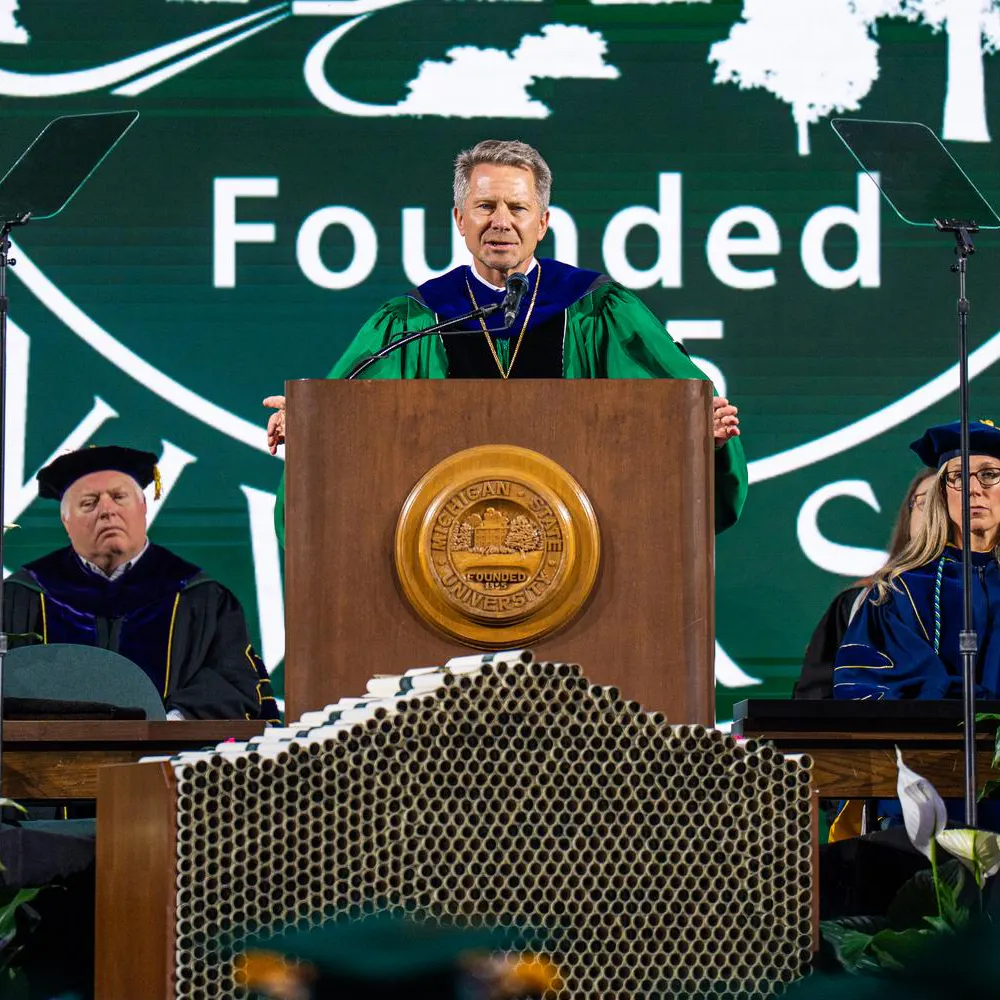
"Betrayal," "surprise" and "disheartening" were among many of the choice words faculty used to describe Michigan State University president Kevin Guskiewicz walking out the door for Clemson University.
Across interviews with union leaders and professors, a common theme emerged in the wake of Guskiewicz's departure: instability.
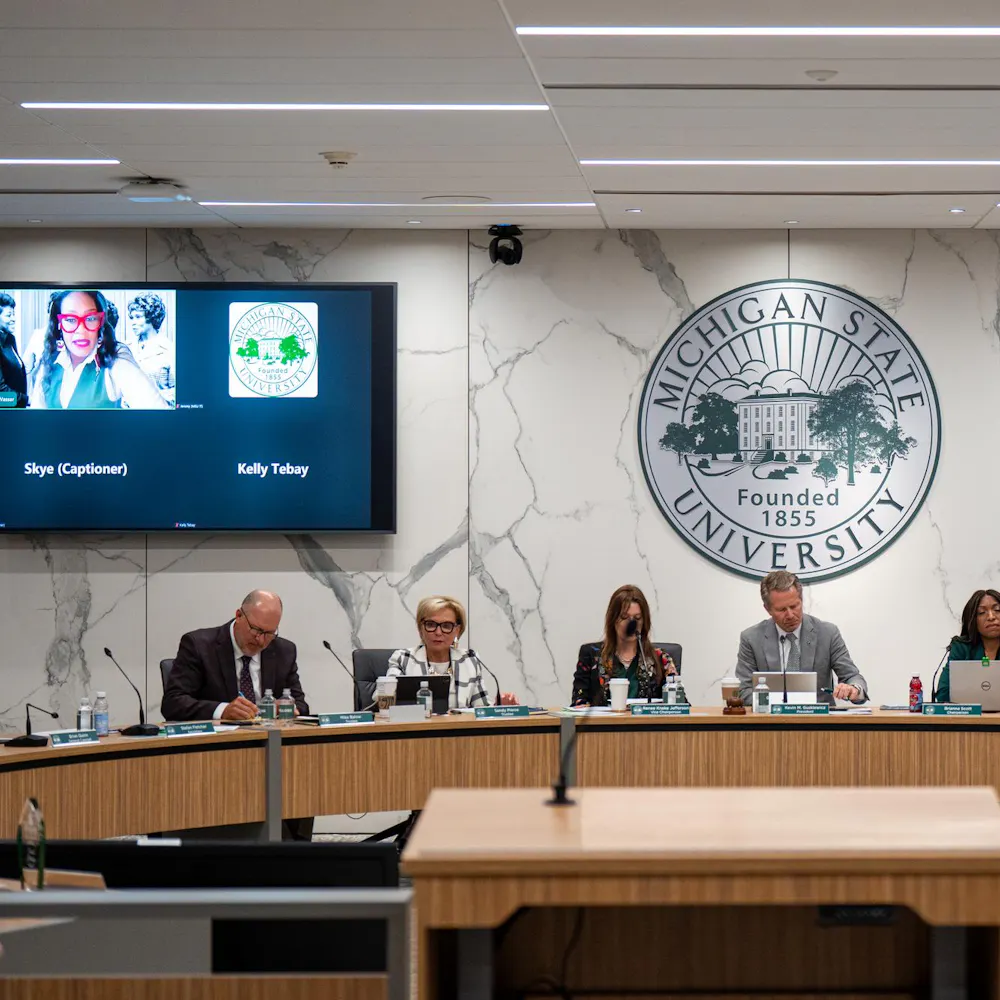
On Wednesday, Clemson University announced Guskiewicz as its 16th president, just over a week after the Board of Trustees held a last-minute special meeting in an attempt to retain the president through a slew of initiatives. One of the initiatives approved at the meeting offered Guskiewicz a $1 million raise, effectively doubling his salary, making him one of the highest-paid public Big 10 schools leaders had he accepted.
“I do think there are many faculty members that have some sense of betrayal,” said NiCole Buchanan, the president of the Union of Tenure System Faculty.
Buchanan said that faculty were given mixed signals from the university leading up to the announcement Guskiewicz would leave.
“It was stunning to discover that, while the board was telling the MSU community that the president was not entertaining positions elsewhere, it appears that in actuality, he was in negotiations with Clemson and actively maneuvering to leave MSU,” Buchanan said.
Victor Rodriguez-Pereira, the president of the Union of Nontenure-Track Faculty, echoed that sentiment, saying it was "very confusing for members."
In an interview with The State News Friday, board chair Brianna Scott revealed that she knew of a competing offer about a week before the board's special meeting on May 17. The board had not been aware that Guskiewicz would be leaving MSU for Clemson until Wednesday morning.
Buchanan said this led to “disheartening” questions about “who was being honest and who was being dishonest in the communications with the MSU community.”
Also “disheartening,” as College of Music professor Jane Bunnell said, was the continuation of a high presidential turnover rate at MSU.