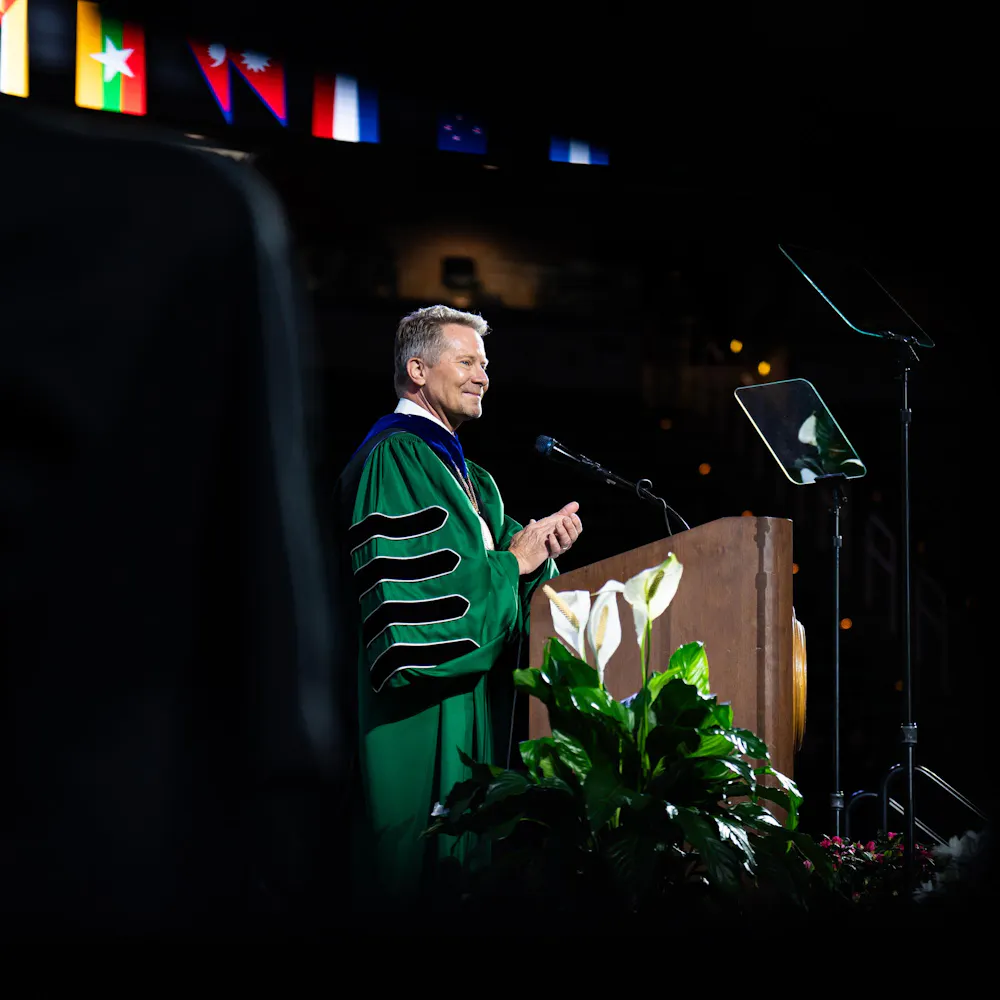
State Rep. John Espinoza, D-Croswell, is one of two Chicanos and Latinos in the Michigan House of Representatives.
And he can count the number of Chicanos and Latinos who have run for state office on one hand.
"They feel they might not get elected because they're Hispanic, but the reality is the voters in the state of Michigan are pretty sophisticated - if they think you're qualified, they'll vote for you," Espinoza said.
Running for state and local government is just one of the many opportunities Chicanos and Latinos should take advantage of to increase their influence in the state, said José Reyna, chairman of the Michigan Commission on Spanish-Speaking Affairs.
"What we need within the Hispanic community is a higher degree of engagement and involvement in public democracy," he said.
The group, made up of 15 governor-appointed commissioners, is asking residents to contribute opinions on which issues that affect Chicanos and Latinos should be addressed in their upcoming five-year plan to serve Michigan's Chicano and Latino population.
The plan will be discussed at the commission's April 1 meeting and concentrates on education, business and economic development, leadership and political development and creating a legislative agenda for Chicanos and Latinos in Michigan.
According to the 2000 census, Hispanics are the fastest growing minority in the country and the second largest minority group in Michigan, with almost 324,000 living in the state.
"Within leadership and political process, one of the outcomes is an increase in the number of Hispanic leaders on all levels of government," Reyna said, adding there are currently only three Chicano and Latino state legislators.
"We not only want to have an acquaintance with our legislators, we want to have quality relationships that also include influence and impact on legislation," he said.
The commission is advocating political awareness through leadership training, supporting community-based organizations and voter registration, said Belda Garza, chairwoman for the leadership and political process committee.
"I would like to see Latinos be more involved in the political process, wanting to run for different offices, being astute on different candidates," she said.
The commission hopes to participate in more business conferences to provide Chicanos and Latinos with access and opportunities in economic development.
Members of The Lansing Area Hispanic Business Association attend and host forums between companies and interested entrepreneurs to help Chicanos and Latinos gain exposure and knowledge in the industry, association president John Castillo said.
In addition to the economic and political arenas, education also is a priority.
"We have identified that historically, on the top of the list, always you see education as a number one concern from the community," said Julio Cesar Guerrero, Chicano and Latino student coordinator for the Office of Racial Ethnic Student Affairs. "Despite all the problems we face as a community, education is always on top."
Education committee chairman Jeorge Fierro said the commission is working with colleges and universities to promote incentive programs for students to graduate high school and attend college.
These types of programs are what students need, communication sophomore Angela Perez said.
"If we're trying so hard to keep them in college, the first step is to get them into college," she said.
For more information or to submit ideas for the plan, visit mi.gov/cossa. Suggestions will be accepted until March 31.
Melissa Domsic can be reached domsicme@msu.edu.