MSU President M. Peter McPherson announced Friday that he will leave MSU on Jan. 1, 2005. McPherson, MSU's 19th president, has been in office since Oct. 1, 1993. He and Provost Lou Anna Simon currently are the longest serving president-provost duo in the Big Ten.
Some highlights of his tenure:
Feb. 10, 1994: Nearly 100 students partake in a national grape boycott in which they deliver bags of grapes labeled "pesticides kill people" to McPherson's office. The protest ends with some students smashing grapes on McPherson's desk.
Feb. 15, 1994: During his first State of the University Address, McPherson presents his six "Guiding Principles" for keeping MSU among the top universities in the country. About 50 students protest the speech, arguing the university has failed to address the concerns of Chicanos, gay people and those with disabilities.
McPherson pounds his fist on the podium and says, "That's enough."
Feb. 27, 1995: The Detroit College of Law merges with MSU. The private law school is the first on MSU's campus and, while it remains independent from the university, shares many of its programs with MSU.
May 1, 1998: Students protest near Cedar Village in response to the banning of alcohol from Munn field for the 1998 football season. The event quickly gets out of hand.
MSU opens a Multicultural Center in the basement of the Union. The center causes controversy, as many minority student groups say it is too small to serve as a meeting center.
Oct. 22, 1998: More than 100 students go to the Administration Building and demand McPherson's signature on an affirmative action petition. The hour-long heated discussion includes shouts at McPherson of "Liar!" and "Sign the damn petition." McPherson agrees to sign.
January 1999: The Board of Trustees offers McPherson a position as a senior consultant for five years after he leaves office. McPherson must remain with MSU until 2003 to receive the deal.
Feb. 26, 1999: McPherson tells the greek system to go dry or risk his public denouncement of the greek system and the revocation of all university support, according to a memo by Interfraternity and Panhellenic council leaders.
March 27-28, 1999: About 10,000 people riot in the streets of East Lansing after the men's basketball team loses to Duke in the Final Four. Officials estimate the incident costs about $490,000 in investigations, labor, insurance and damages.
April 3, 2000: The men's basketball team defeats Florida for its first NCAA Championship since 1979, when Earvin "Magic" Johnson played for the team.
Sept. 14, 2000: Cash donations to MSU top $100 million for the first time in university history. The amount is a 100-percent increase since 1994.
April 2001: McPherson confirms that he green-lighted an undercover investigation of Students for Economic Justice. The move upsets students and leads to the creation of a task force to improve student-police relationships.
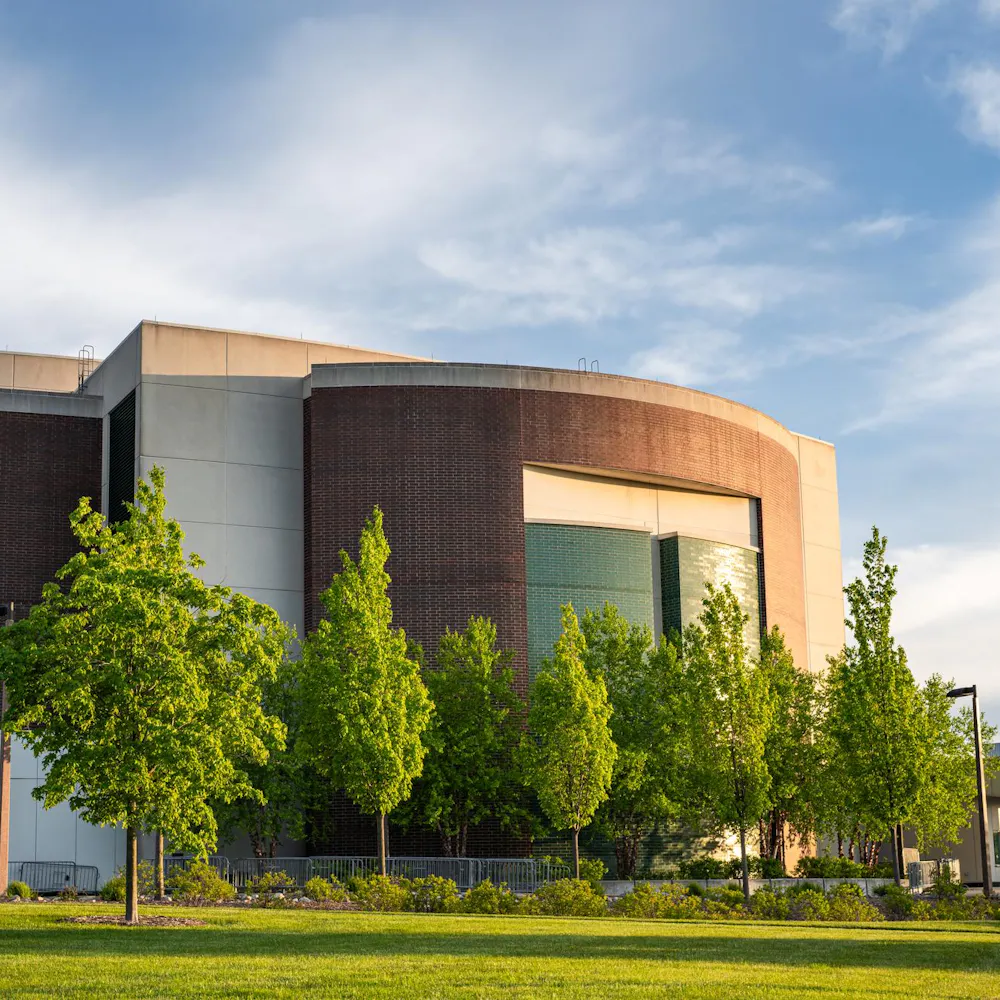
April 12, 2002: The new $93 million Biomedical and Physical Sciences Building opens at the corner of Farm Lane and Wilson Road.
March 28-30, 2003: Disturbances erupt twice near MSU's campus. The first comes after the men's basketball team beat Maryland to advance to the Elite Eight of the NCAA Tournament. The second disturbance, during which cars are flipped and fires are lit on Grand River Avenue, comes after a loss to Texas and leads McPherson to call the incidents "outrageous."
April 2003: McPherson is tapped by the Bush administration to head up the financial reconstruction of war-torn Iraq. McPherson, a former deputy secretary of the U.S. Treasury, is granted a 130-day unpaid leave of absence from his duties at MSU.
June 5, 2003: The MSU Board of Trustees raises tuition by 9.9 percent and increases faculty and staff salaries by 2 percent. The university experienced $31 million in state funding cuts.
February 2004: The Rare Isotope Accelerator, a $1 billion U.S. Department of Energy nuclear science project, is moved to "Critical Decision Zero" status by the federal government. With its heightened priority, MSU officials express greater hope that the Department of Energy will consider building the accelerator in East Lansing.
Source: The State News