A late start wasn’t enough to stop a campus Kwanzaa celebration full of singing, poetry and culture Tuesday night.
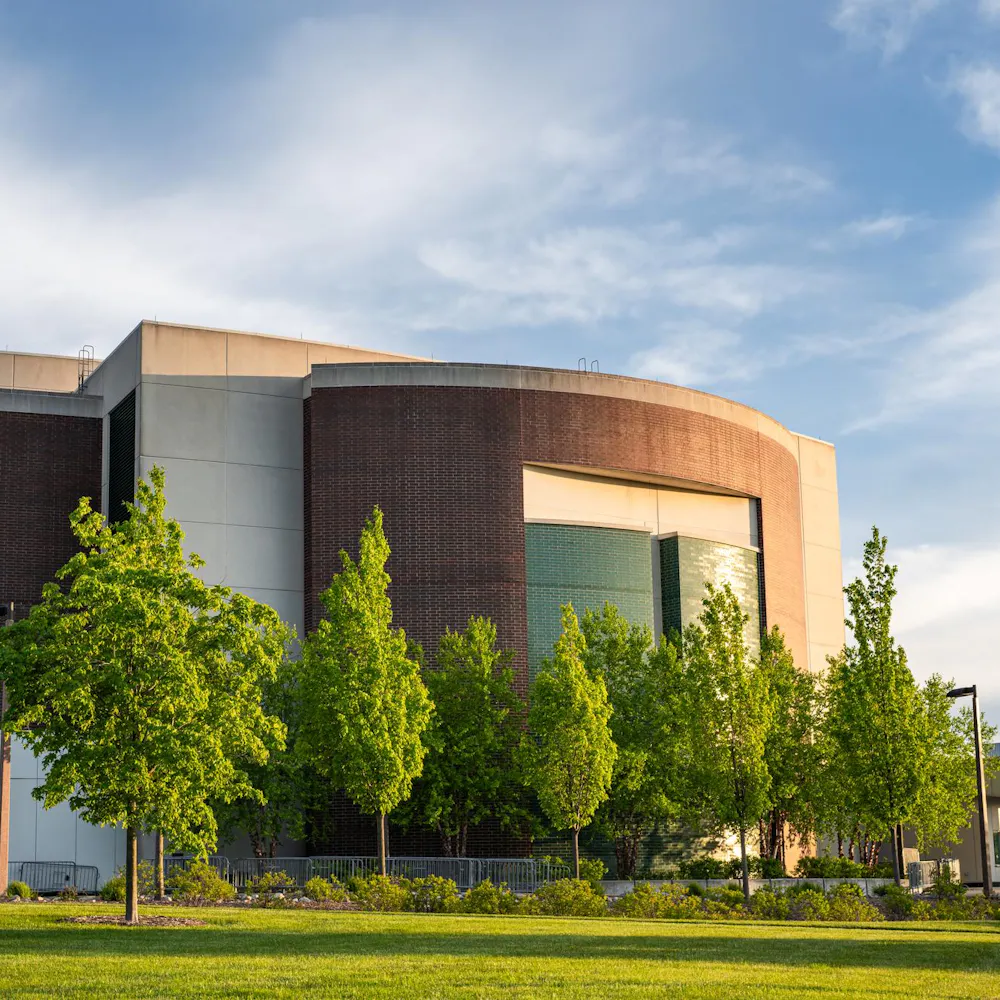
Nearly 50 people attended North Complex Black Caucus’ second annual Kwanzaa Program in the Kellogg Center auditorium. Kimberly Ellis, writer of “The Kwanzaa Song,” gave the night’s keynote address.
The program started an hour and 15 minutes after the scheduled time, but that only allowed more people to arrive while those who came on time waited out the delay.
Terrance Wilbert, North Complex Black Caucus president, said the group hopes to present a program each year that highlights diversity on campus.
“We see a lack of culture at MSU,” the psychology senior said. “This is a way to educate the masses and get people to participate in cultures other than their own.”
Kwanzaa, a weeklong holiday usually observed between Dec. 26 and Jan. 1, focuses on seven basic principles: umoja (unity), kujichagulia (self-determination), ujima (collective work and responsibility), ujamaa (cooperative economics), nia (purpose), kuumba (creativity) and imani (faith).
The name Kwanzaa is derived from the phrase “matunda ya kwanza” - “first fruits” in Swahili, the most widely spoken African language. The holiday was founded in 1966 by Maulana Karenga, who spoke at MSU last year.
Kwanzaa’s principles are represented by seven candles to be lit each day: one black, three green and three red. Black represents people, red represents struggle and green is the hope for the future that comes from the struggle.
Wilbert said although the celebration is focused on African American and Pan-African cultures, Kwanzaa can be enjoyed by all people.
“A lot of people don’t know the meaning of Kwanzaa,” he said. “They think that it’s a religious holiday or a black holiday. Even though it’s centered around black culture, this is for everybody.”
The program began as the audience listened to a short history of Kwanzaa, followed by a rendition of “Lift Every Voice and Sing” - also known as the “Black National Anthem” - sung by Linda Baldwin, Wilbert’s mother.
Kamilah Hassan, a1998 MSU alumna, gave dramatic interpretations of two original poems focusing on family unity and relationships between black men and women.
Ellis began her presentation by recognizing the “elders” present in the audience and asking their permission to carry on with the show. Dorothy Harper Jones, senior consultant to the provost for diversity issues, gave the go-ahead.
Harper Jones, who has celebrated the holiday for several years, said Kwanzaa allows students and others to familiarize themselves with another part of their culture.
“It’s an opportunity for students to have a connection to their African heritage,” she said. “This starts the process of saying, ‘I want to know more about my culture.’”
Ellis continued by demonstrating Kwanzaa customs, such as libations, which honored the ancestors of everyone present, as well as the lighting of the seven candles.
Audience members participated in two versions of Ellis’ “The Kwanzaa Song” - a hip-hop version and a four-part round in which the audience sang the seven principles.
A speech by Ellis later focused on a “recovery and recommitment” to the principles, particularly kujichagulia (self-determination).
“It means we have to define ourselves, name ourselves, create for ourselves and speak for ourselves rather than let ourselves be defined, named and spoken for by others,” she said.
Sheena Harrison can be reached at harri188@msu.edu.