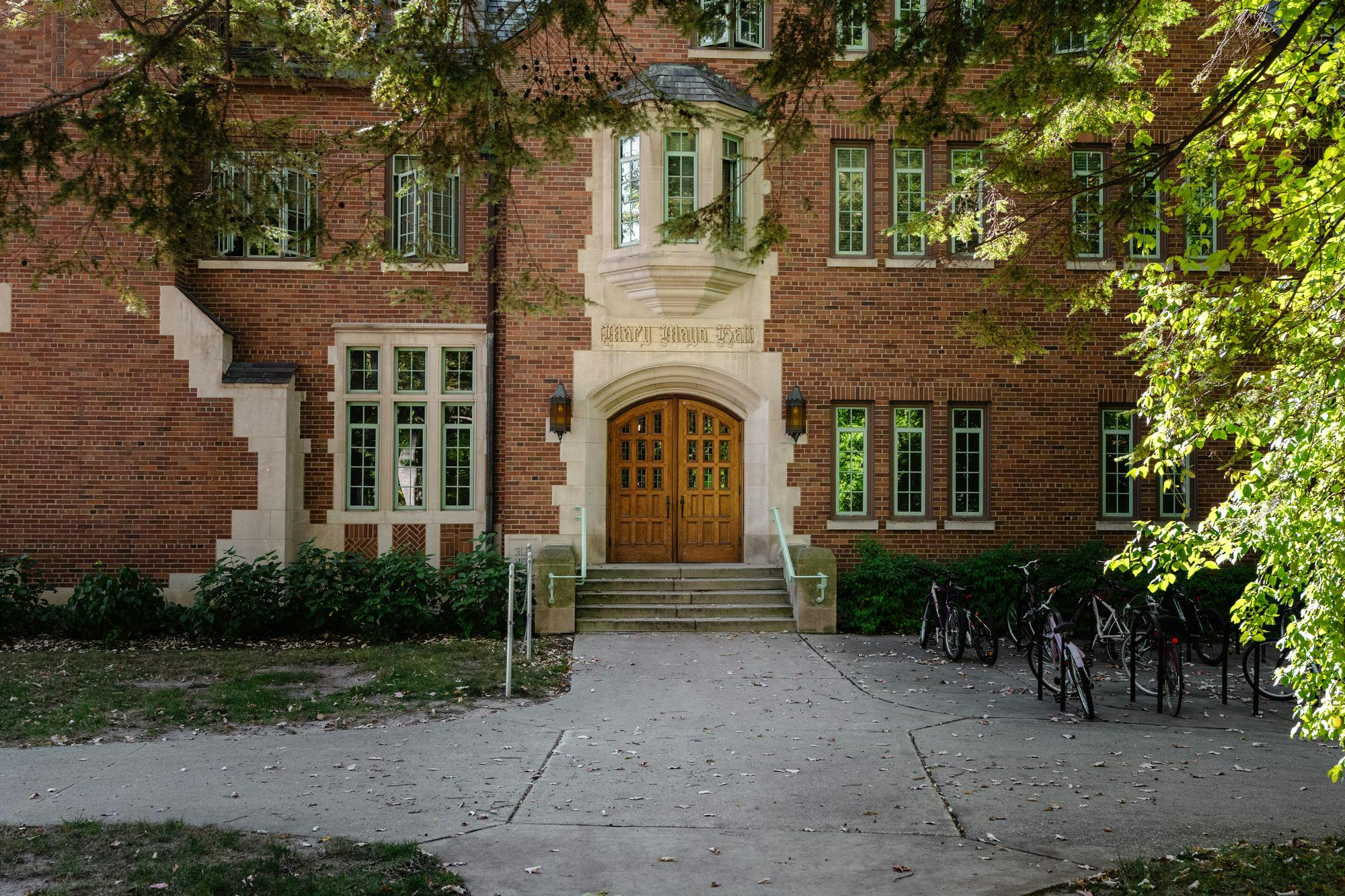
When communication leadership and strategy junior Mary Huttman received a notification telling her floor not to go out into the hallway, she had no idea why. The reason was the last thing she expected: A bat had gotten loose in Yakeley Hall.
Huttman, who is from Florida, said she didn't know much about bats beyond getting a shot if they got into her dorm.
The Yakeley bat was later caught and placed in a “takeout container” by a staff member from MSU Infrastructure and Planning Facilities.
But Huttman’s dormitory encounter with the fanged creature isn’t the first instance of its kind, nor would it be the last.
Bats often sneak into open windows and doors in Michigan State’s residence halls during their nightly flights. Dealing with these surprise guests can be intimidating for students who are unfamiliar with this type of problem and may leave one unsure of what to do in the heat of the moment.
The steps to dealing with a bat in a residence hall, according to IPF Spokesperson Erica Venton, is to stay calm, step back and seek help.
“They're going to freak out if you freak out, so just slowly remove yourself from the room and then alert someone,” Venton said.
IPF staff are available any time of day and any day of the year to handle these winged intruders. To aid them in capturing the bat, Venton recommends shutting it in the hallway or the room and leaving it in there until help arrives.
If worried about contracting rabies or having to receive a rabies shot, Venton said cases among Michigan bats are few and far between. On top of that, rabies shots are only needed if someone has been physically touched by the bat, or if it was found after the person had been sleeping in the same room that the bat was located in. Alert the IPF member of any contact that occurred and they will quarantine and test the bat for signs of disease, handing it over to a wildlife center if necessary.
Any wildlife that coexists with students on campus is susceptible to appearing inside a building, yet there generally are preparations in place for keeping both students and wildlife safe.
“Nature makes its way into our indoor spaces and we have stuff on hand to help them get back into their outdoor living environments,” Venton said.
Support student media!
Please consider donating to The State News and help fund the future of journalism.
Discussion
Share and discuss “Bats in your residence hall? Here’s what you should know” on social media.