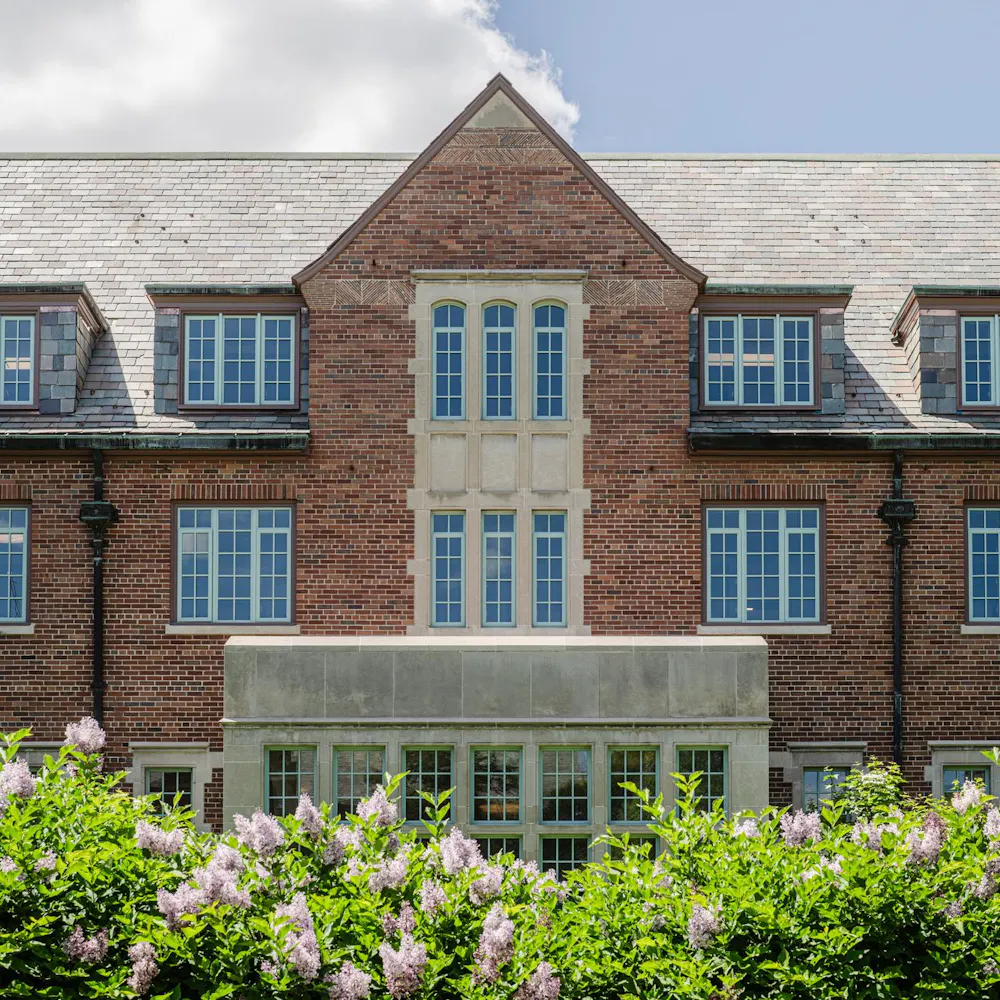
Michigan State University’s Department of Fisheries and Wildlife partnered with Sea Grant MI to commemorate the 25th anniversary of the Black River Lake Sturgeon Hatchery and Research Center’s work in protecting lake sturgeon on Friday.
The event contained two showings of the documentary film “Dinosaur Fish,” which focused on the sturgeon conservation work done across the state of Michigan. Two different panels spoke after each showing, and attendees were welcomed to a reception showcasing the Black River Lake Sturgeon Hatchery and Research Center’s endeavors.
The celebration follows soon after the release of an academic paper co-written by MSU researchers revealing that sturgeon may live up to 400 years. But this discovery, while monumental, isn’t the main reason for the event.
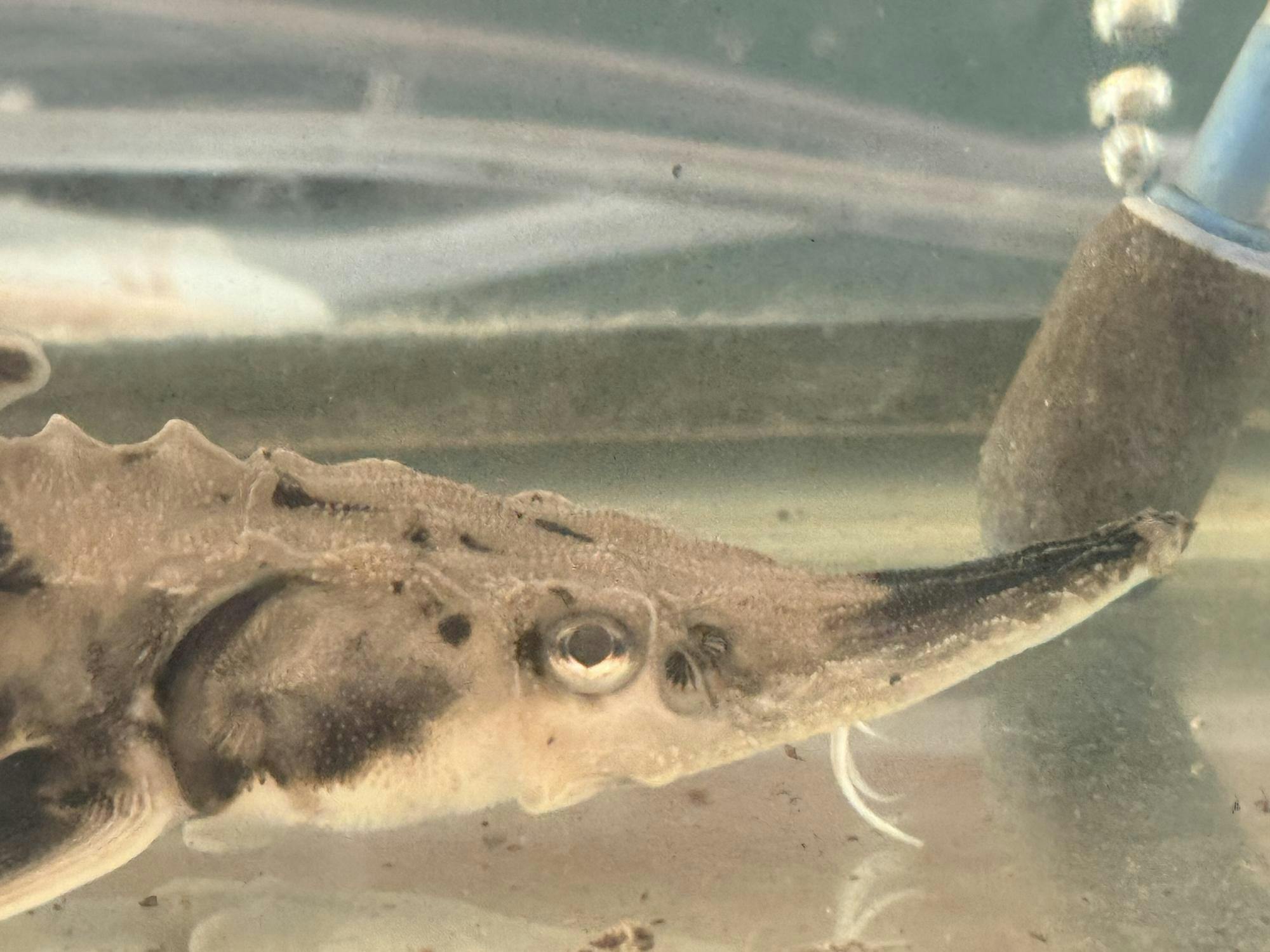
Lake sturgeon species are known to wipe out numbers of the invasive zebra mussel species, and as natural filtering bottom feeders, they are widely considered to be a keystone species. The Black River Lake Sturgeon Hatchery and Research Center has been aiding lake sturgeon in their fight for survival as a threatened species.
“Sturgeon have been around for a very long time but they’ve been really impacted by humans and some of the ways we’ve used land," said Meaghan Gass, an extension educator with Michigan State University and Michigan Sea Grant. "Sturgeon need fast-flowing currents in order to spawn and reproduce, so if we dam rivers, it makes it hard for them to get back to their spawning grounds."
Along with these geographic trials, female sturgeons in particular are targeted by poachers for their supply of eggs, also known as caviar, a food with a history of being an opulent delicacy.
This is where the work of the research center and hatchery comes into play. The hatchery works to stock populations by inseminating eggs to create more genetic diversity amongst populations, as well as catching and counting larvae at their most vulnerable state to prevent them from remaining within predators’ grasp.
Grant Rushlow, an undergraduate research technician and a recent MSU environmental science graduate, has worked to catch these larvae.
“One of the busiest nights we had, we caught about 4,800 fish," Rushlow said. "That was a late night. I think we spent probably 14 hours overall counting fish and picking them out."
After growing large enough to be less at risk in the wild, release events are held to reintroduce these lake sturgeon to the 4 different tributaries of the Saginaw River system. These events allow anyone who wants to participate in this process to show up to aid in the release.
Another way the Black River Lake Sturgeon Hatchery and Research Center allows members to be involved is through the Saginaw Bay Sturgeon Restoration program’s “Adopt a Sturgeon!” certificate.
While the larvae caught by the hatchery are only a few millimeters in length, they grow to be up to seven feet long, contributing to the nickname “dinosaur fish” along with the fish’s prehistoric existence. The fish is as elusive as it is large, venturing into deep waters for years at a time. The same lake sturgeon appear in the Black River every few years to spawn, creating the perfect opportunity to tag and track the fish.
The sturgeon adoption program allows those interested to have a connection to a tagged sturgeon and receive updates about the sturgeon they adopt periodically. The proceeds from the adoption program will go towards the continued work of conservation for lake sturgeon.
Wildlife ecology management sophomore Chloe Comm, who attended Sturgeon Palooza for her FW 101 lab, said she was surprised at the number of people on campus who showed up for the lake sturgeon.
“It's really cool to see that this many people are interested in it," Comm said.
Scott Colborne, assistant professor at Michigan State University in the Department of Fisheries and Wildlife and cofounder of the lake sturgeon adoption program, emphasized the importance of the location of this 25-year anniversary event being at MSU.
“We do hatchery releases every year up north. And what we haven't done is bring the celebration to MSU's campus and have people here get a chance to be part of the success of what's gone on,” Colborne said.
Support student media!
Please consider donating to The State News and help fund the future of journalism.
Discussion
Share and discuss “MSU’s Sturgeon Palooza encourages attendees to adopt a 'dinosaur fish'” on social media.