College is hailed as an institutional transformation chamber. It’s the place where teenagers become adults, students become young professionals and apparently, if you do everything right, your success and achievements will manifest themselves as the new, hotter version of you.
On social media, matters of personal growth are minimized into the general category of a "glow up". Some corners of online self-help circles are well-meaning and insist that better presentation and confidence come from developing healthy physical and mental strength.
But in the visual-heavy digital culture of the 21st century, engagement metrics indicate that any improvements worthy of online attention must have evidence the naked eye can see. The pressure to glow up and have an unrelated badge of honor for our struggles targets that online generation — us — and it sabotages the process of becoming our true selves.
I made the mistake of unconciously assuming the struggles I endured would be promptly rewarded with gifts to soothe my vanity, and if they didn't arrive, I was undeserving. As a freshman, I entered my first taste of adulthood with the conviction that if I didn’t come out on the other end of my undergraduate career more beautiful than before, it would be an indicator I had somehow failed.
Higher education isn’t a smooth ascent to a lovelier, smarter version of oneself. The coursework is heavy. Learning how to take care of a newly adult body and paying the cost of living is a tough burden.
If we’re being real, managing a menagerie of financial constraints and academic expectations means the focus is on making ends meet and keeping grades up. Taking on new stressors means coming up with new tricks, like giving yourself rough haircuts in the bathroom in an effort to save money for rent, or working out less than you did in high school to make time for studying. Adapting to the college lifestyle can entail sacrificing surface-level attractiveness for a greater purpose. But when we’re taught by our peers and the internet that we need to have more beauty as a testament to the better person we’ve become, all those tough, ugly times it took grit to endure are dull in comparison.
The truth is, being “glowy” by the metrics of self-help culture is so much more than being attractive; it's being agreeable to things that actually make you want to rip your hair out, and appearing, at all costs, not to be at odds with your life. For a student, it asks for the impossible.
Student-to-student advice and the like aims to ease the transition by hearing from someone on the same level. There’s no way any guide can eliminate every instance of confusion or struggle that comes with college life. In fact, I’ve found that every time I’ve made strides in becoming a more capable and confident version of myself, it came from enduring immense discomfort, not discovering some magic hairstyle or beauty tip.
When we place so much emphasis on making our college experience, and by extension ourselves, "pretty," we overlook the unglamorous opportunities that propel us to develop a stronger sense of self, perseverance and indomitable character.
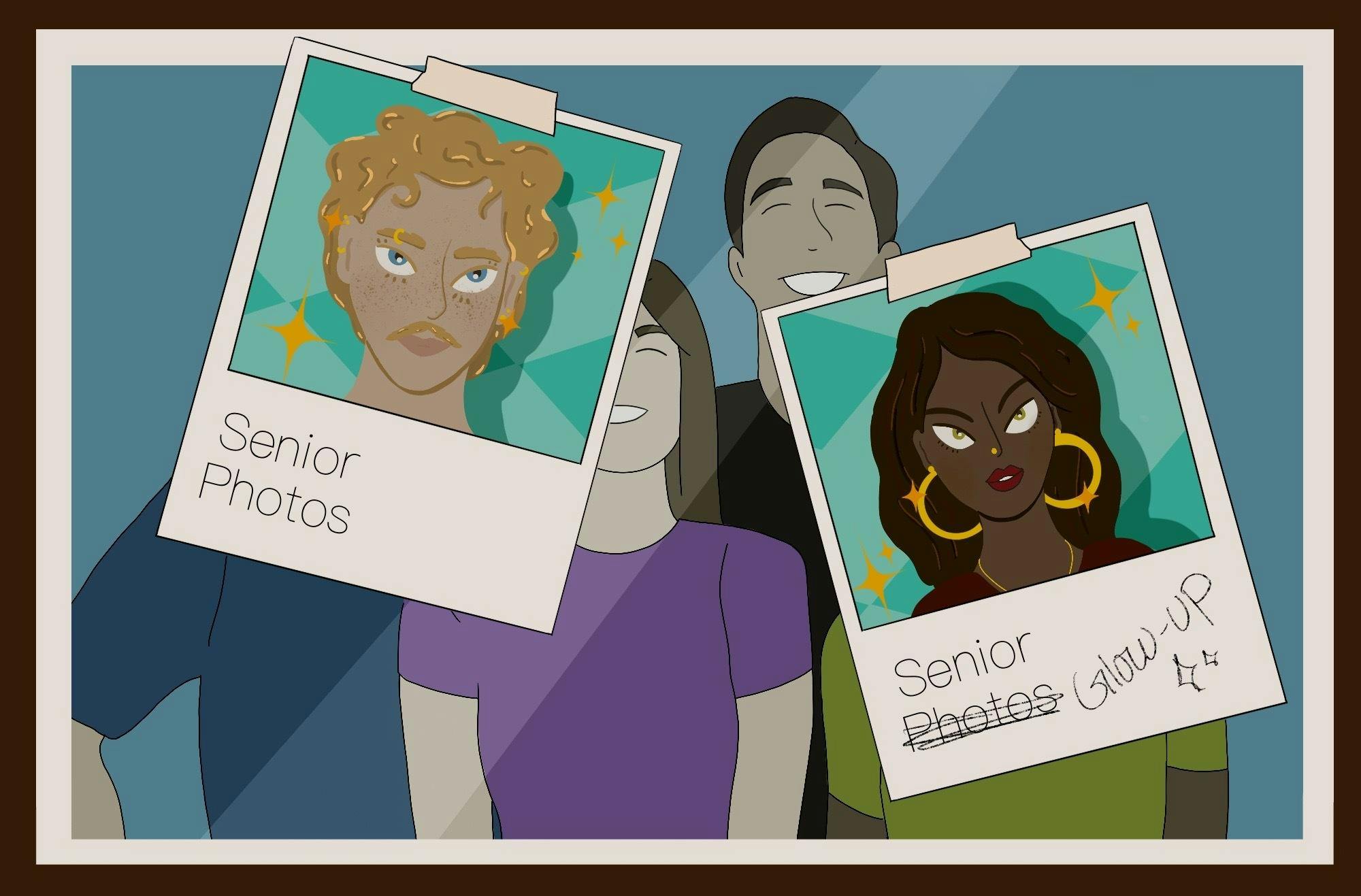
Imagine two portraits of yourself at the beginning and end of your time at Michigan State University. It may be evident in the second that you’ve shed adolescence, but growing up physically is inevitable. Becoming an adult on the interior is the real project.
So when the time finally comes during finals week, scream at midnight. It is evidence that you have lived the life of a student. It’s okay if you don’t look absolutely diva-ed out in your senior portrait. Evolving only happens when we let ourselves be challenged — a habit learned in college when the priority isn’t to "glow".