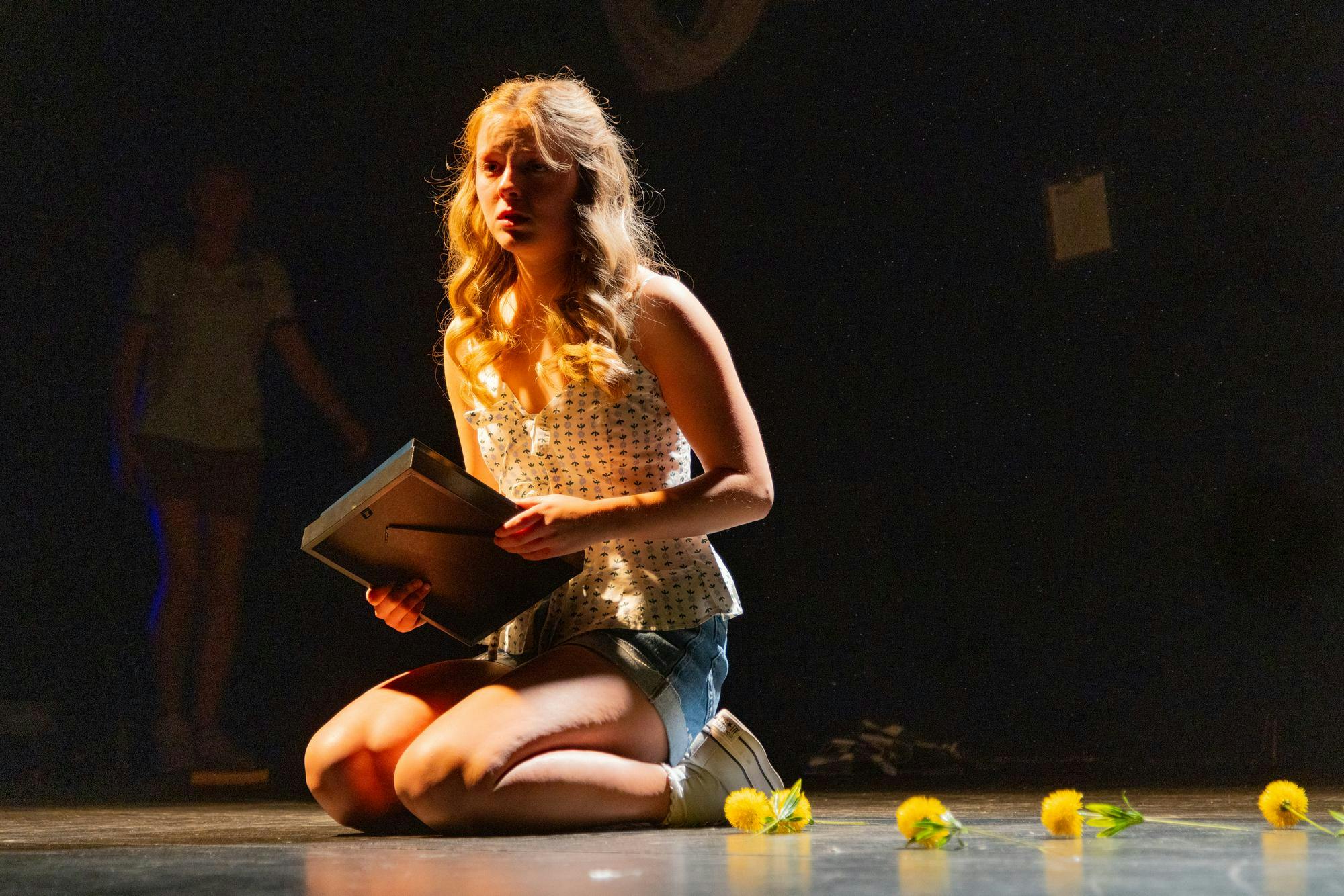
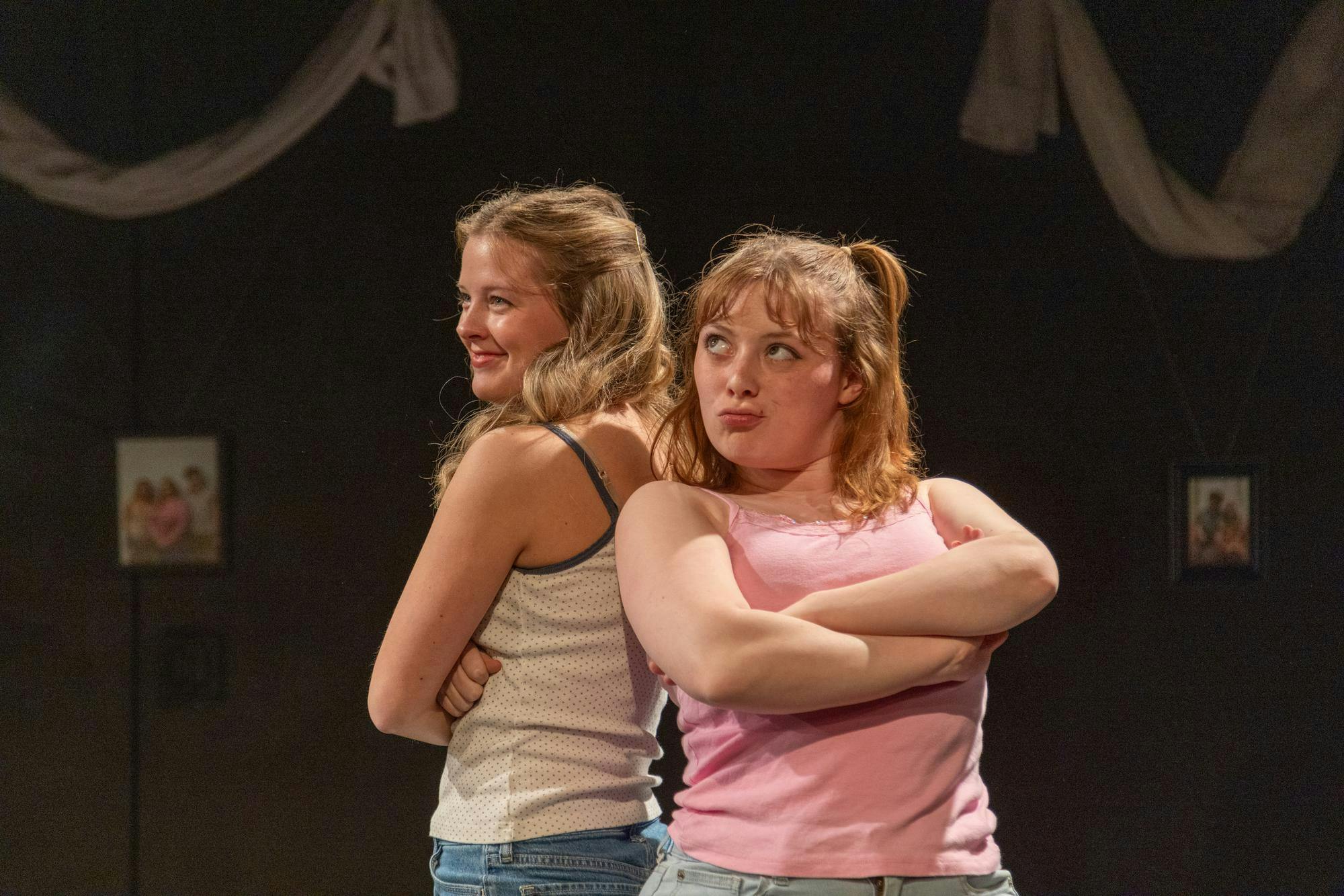
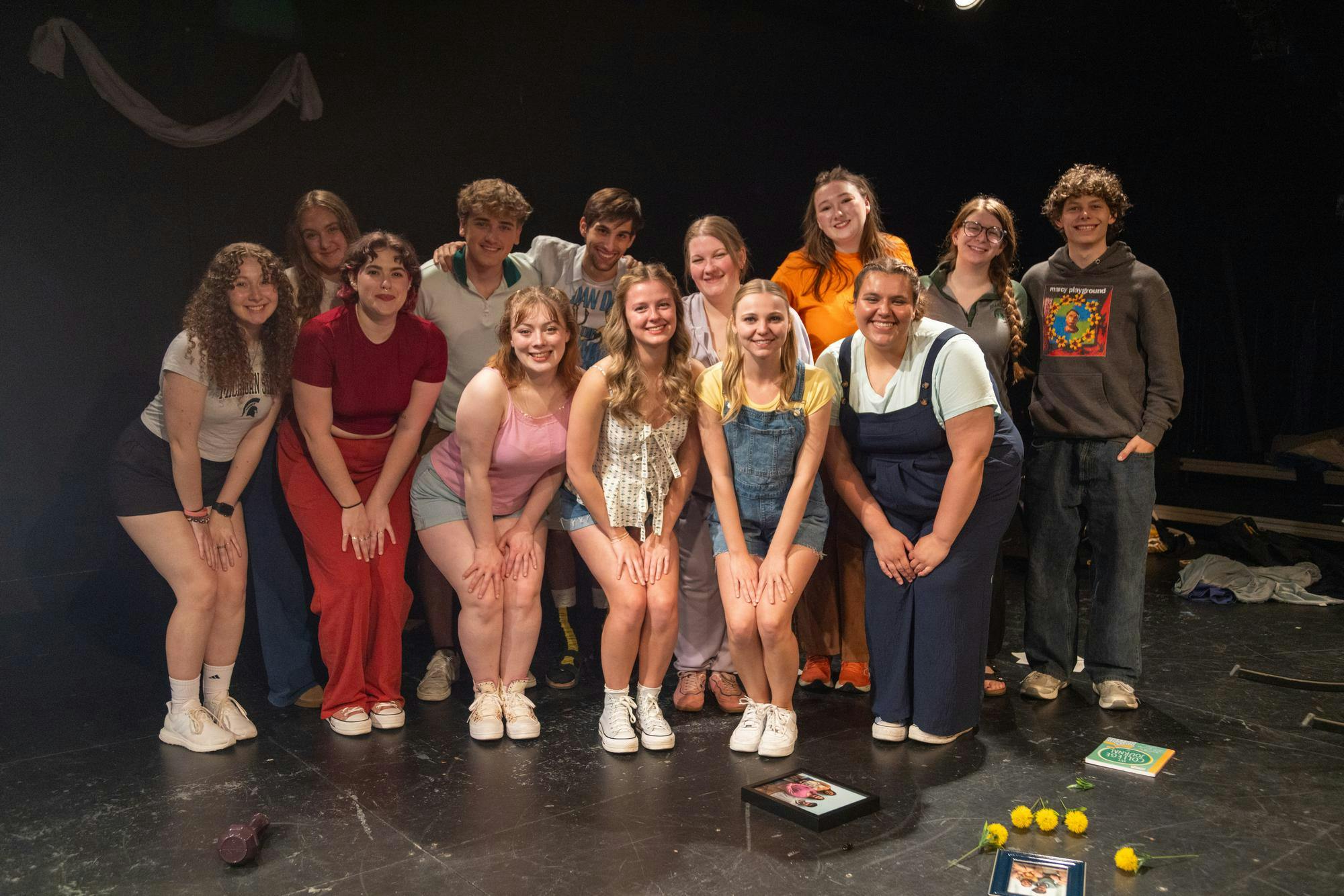
Storefront musical "Dandelion," from the Michigan State Department of Theatre, tactfully approached themes including the heart-wrenching decision between pursuing happiness for oneself and caring for a loved one, as well as mental health and addiction.
In a storefront musical, a traditional theatre is not used; instead, experimental methods and unconventional lighting placements and amounts are prioritized in a smaller space. In this case, Studio 60 at the MSU Auditorium hosted the production. "Dandelion" used a small amount of spotlights, whereas musicals typically have a large amount.
Director Adam Yankowy brought the play to MSU after meeting Executive Producer Sharon Fallon, who shared the script with him. Yankowy and Fallon worked with a creative team to develop the musical.
"'Dandelion's' music is both beautiful and emotionally resonant, and its story feels urgently relevant. We have worked with the creative team over the past six months to edit and develop the script further. There have been several changes to character arcs, and the team wrote a new opening sequence."
Additionally, Yankowy made sure readers had background context for the musical.
"'Dandelion' confronts the realities of mental health and the complexities of the healthcare system in the United States. One of the central challenges highlighted in the piece is the fragmentation of mental health services from primary care — often resulting in siloed treatment, poor coordination and difficulty navigating support systems. It is our hope that this production not only illuminates these issues but also encourages conversation and ultimately change," Yankowy said.
Second-year graduate theatre student Stephanie Kroschel played the mother, Lilah, in the musical. Kroschel spoke about the unconventional process of a storefront musical.
"This project is unique, in that the writing team of 'Dandelion'has been in the process of editing the show, so the version we have learned is the most up to date. It is a very human story that demands thoughtful attention and respect to perform," Kroschel said.
It wasn't just the production that was unusual. The rehearsal process featured elements like plenty of character work, making the characters feel as authentic as possible.
"During the rehearsal process, we focused quite a bit on character work, making sure we honor the story and the unique challenges each character faces. The risk when playing someone like Lilah, a woman who lives with mental illness, is to play the condition more than the person," Kroschel said. "For me, avoiding this means digging into Lilah's hopes, dreams, sense of self and all of the good qualities that make her a passionate, heart-driven mother before ever examining how her mental health impacts her sense of balance and family relationships. I found that the whole team, from our director and music director to each cast and crew member, aligned to focus on the characters and relationships that make this such a compelling story."
The whole experience offered valuable insight into different processes for Kroschel.
"This process has focused more on script analysis, collaborative relationship building and working on a story that isn't always literal or linear than most of my prior musical theatre experience," Kroschel said. "For me, as an actor, this presents an exciting challenge to approach this show in a healthy way — from carefully selecting which acting techniques to apply to actively practicing a de-roling process after intense rehearsals and performances. I am encouraged by my fellow actors and our leadership team who have held space for me to have a silly little dance party at the end of rehearsal, and diligently centered safety for us all."
Musical Director Dave Wendelberger worked with the cast during the rehearsal process and played piano during the show.
"In some way, it could be compared to many new, contemporary, small-ensemble musicals, and at the same time it takes on an identity of its own. There are strident main character ballads, large group up tempo numbers and even a 'golden age'-esque charm number. The accompaniment for the show is piano only. I play the show from a spot right near the stage. The piano is visible during the entirety of the show, and it almost becomes a character in and of itself," Wendelberger said.
Support student media!
Please consider donating to The State News and help fund the future of journalism.