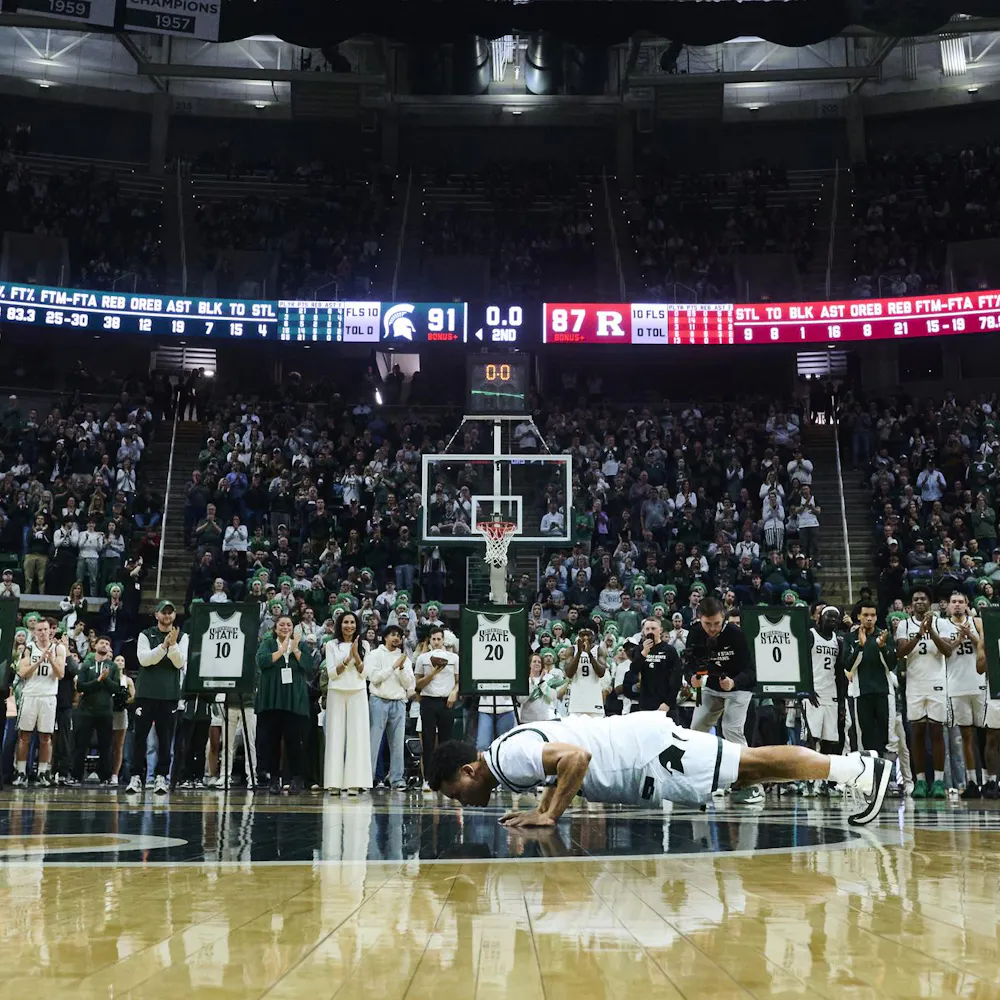
The Izzone. The trust expression of the community on MSU’s campus. Hundreds of students all unite into one collective force of screaming, bouncing and occasional jumbotron shilling. But amidst the communal chants of “de-fense” and “go-state,” some new yells have been entering the Izzone’s lexicon.
Instead of shouts of support for players or hatred for referees, these new ones sound a bit more biting: "I took the over on Kohler, you gotta put him back in," Or "I can’t believe you missed that free throw, I needed you to score 15 tonight!"
Those are the kindest ones. And most of them aren’t so kind.
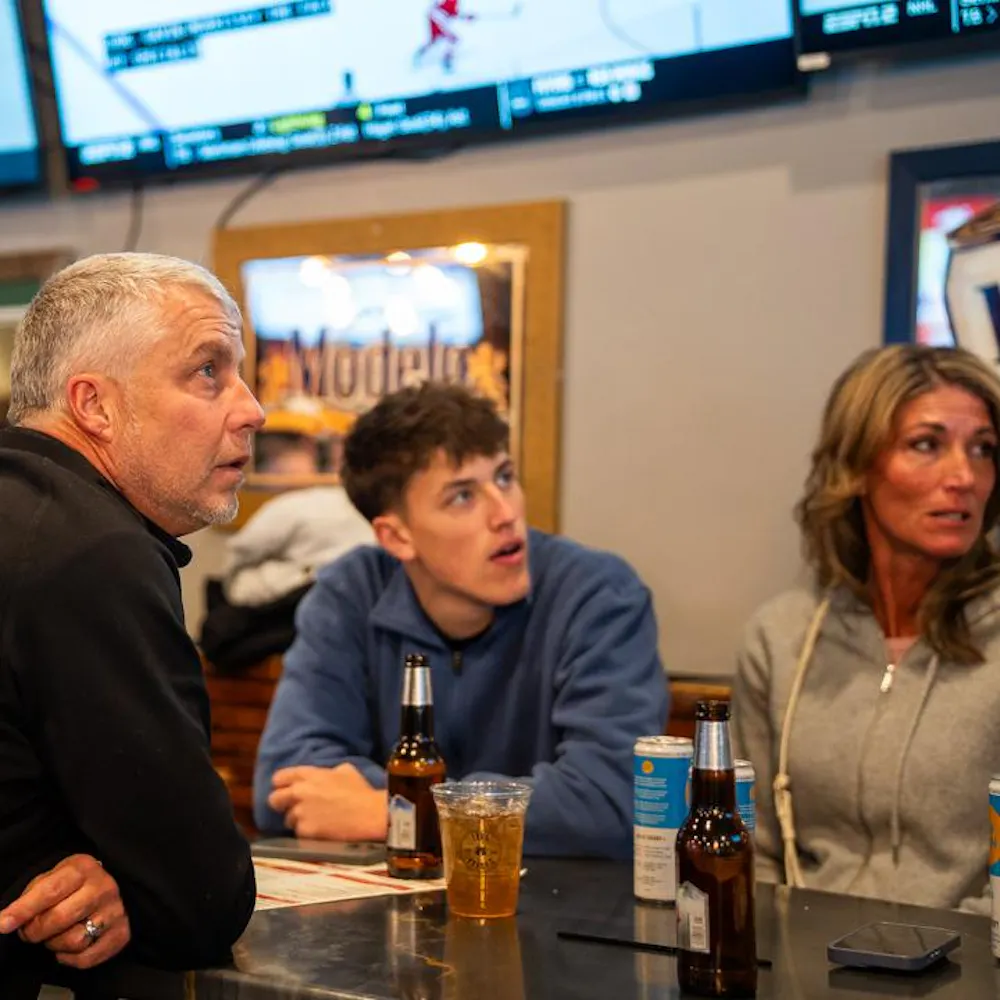
In 2025, gambling follows sports fans like the plague. Every talk show on ESPN dedicates segments gambling lines, every podcast is sponsored by FanDuel or DraftKings and most games themselves have tickers constantly showing how lines and projections are being adjusted.
Whenever a huge controversy in the gambling world pops up, like the recent NBA gambling scandal, everyone assumes their positions to have the same argument all over again. Gambling opponents decry the major sports leagues for allowing sports gambling to tarnish the sanctity of their games, and gambling proponents (such as, inexplicably, former New Jersey Governor Chris Christie) say these systems are just working as designed.
Folks like Christie, as well as officials like NBA Commissioner Adam Silver, argue that unregulated illegal betting markets ruin professional and collegiate sports in secret. Legalizing gambling allows leagues and governments to catch wrongdoers in the act. The NBA scandal is an example of this: major sportsbooks recognized suspicious activity, which prompted a federal investigation that eventually led to their arrests.
So, we caught the bad guys! Case closed. Glad to see the system is doing its job.
Except it’s not. Sports gambling does a whole lot more than just hurt the "sanctity" of our sports. It has many wider negative effects that we tend to forget in this debate. Many of those changes are evident right here at MSU.
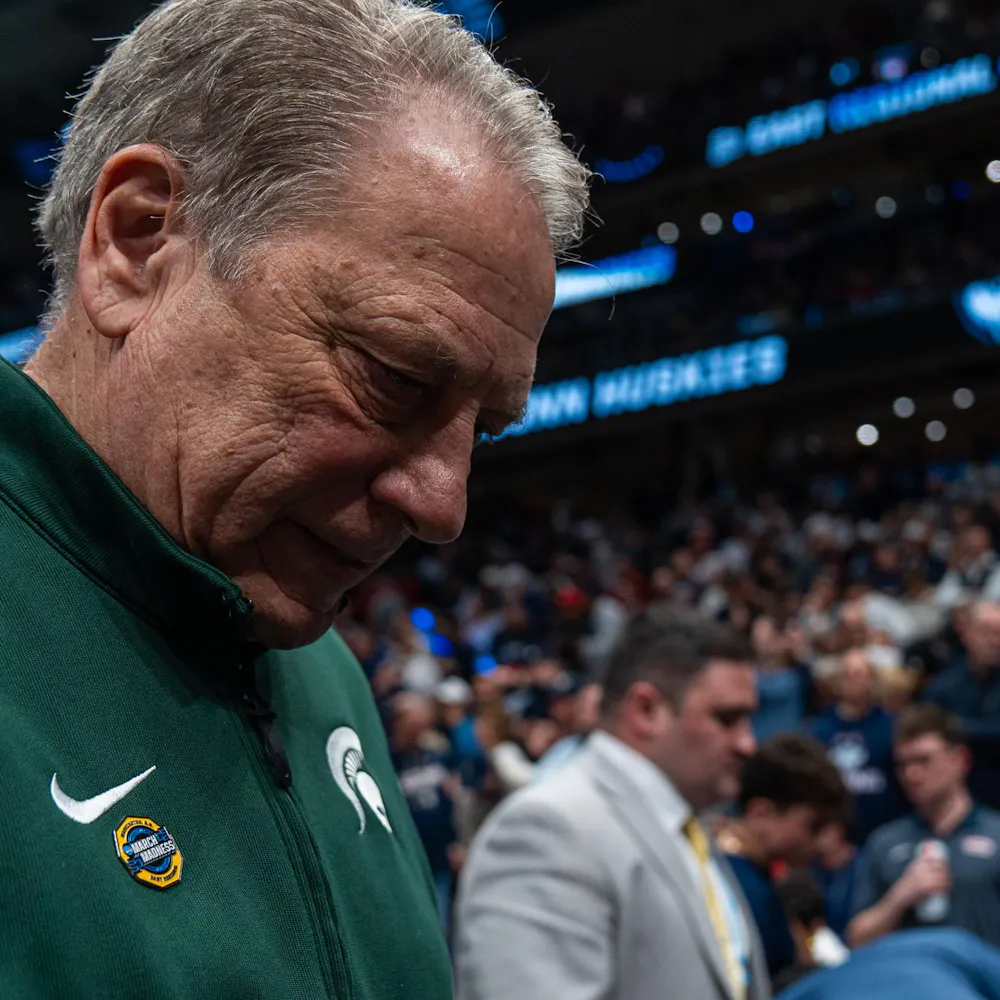
In an interview two months ago, Tom Izzo spoke on the effect gambling is having on his players: "I mean, if I showed you texts on players that miss a free throw at the end of the game and we win by 10 instead of 11, I mean, they’re killing him." That behavior is ubiquitous throughout sports, with players and coaches constantly having racial slurs and death threats hurled at them for missing Vegas’ projections.
For a university that claims to prioritize its athletes’ mental health, you would think Michigan State University would dedicate lots of resources to discouraging gambling behavior. But they actually attempted to do the opposite. Back in 2022, MSU inked a deal with Caesar’s Sportsbook to become its exclusive gambling partner. They were one of the first universities to implement such a program and also one of the first to discontinue it when the American Gaming Association began encouraging its members to withdraw from them.
For that first year, MSU was perfectly happy to stand with the gambling industry, as long as the money kept rolling in. The deal was supposed to last five years, and it was only planned to invest $25,000 of its $9 million total to educate athletes about gambling. None of it went to the general student population.
And it's the bettors who see the worst effects. The NCAA found in 2023 that "67% of students living on campus are bettors and tend to bet at a high frequency." 16% of those bettors had engaged in at least one risky behavior, and 6% reported having 'lost more than $500 on sports betting in a single day."
Researchers at Southern Methodist University (SMU) found that recent state online gambling legalization was correlated not only with a 75% increase in calls to gambling helplines, but also a 369% increase in spending on sports gambling.
Thank you for reading our voices, we want to hear you
The State News is accepting guest commentary and letters to the editor. Guest commentary should be between 600-800 words and contain well-reasoned arguments that inform and engage readers like you. Letters should be fewer than 300 words and provide commentary on issues of interest and stories we've covered. We will not publish any anonymous submissions.
For more information, go to our submissions portal under the 'commentary' tab at statenews.com.
Question? Contact Opinion Desk Coordinator Jack Williams at opinion@statenews.com
Clearly, legalizing sports betting doesn’t just swap out illegal gambling for regulated gambling. People making those arguments seem to ignore that legalization also drastically increases the total amount of gambling occurring in the industry, and is correlated with increased problem gambling.
MSU, for its part, yet again does not seem to be prioritizing this campus gambling epidemic, which they partially helped to usher in.
In searching for resources for students with gambling issues at MSU, I managed to find one nonfunctioning link to a Gambler’s Anonymous group near campus (posted on a website for employees, not students), and one brief mention of that same group on another MSU resource hub that provides no link to meeting information (this information is very easily accessible upon a google search).
In MSU’s annual mental health survey in 2022, problem gambling was only mentioned once in a survey of 30 other items that might impede academic performance. It was placed on the same level as “sinus/ear infections” and "allergies."
Despite the 23 million Americans in debt due to gambling, it just isn’t treated the same way as drug or alcohol addiction. The industry is allowed to grow unfettered, with governments and schools turning a blind eye. This may be why over 80% of people with a gambling addiction never seek treatment.
MSU isn’t alone in its negligence. Everyone in the sports world, from the NCAA to the NBA, to the entertainers we listen to for our daily sports fixes, feels perfectly fine with cashing in on the increased attention that gambling brings to athletics. Even The State News published a weekly series of gambling tips for two years' worth of football seasons.
Support student media!
Please consider donating to The State News and help fund the future of journalism.
But those profits come with real costs. Costs that are much bigger than the sanctity of any game. They come with harassment for athletes, and addiction and debt for students. At the very least, if MSU wants to continue profiting from gambling, it should put some effort into limiting the problems it has caused. Some working hyperlinks would be a start.
Jack O'Brien is a junior studying Political Theory and Constitutional Democracy and a columnist at The State News. The views in this article are his own and independent of The State News.
Discussion
Share and discuss “OPINION: MSU needs to address the sports gambling problem” on social media.