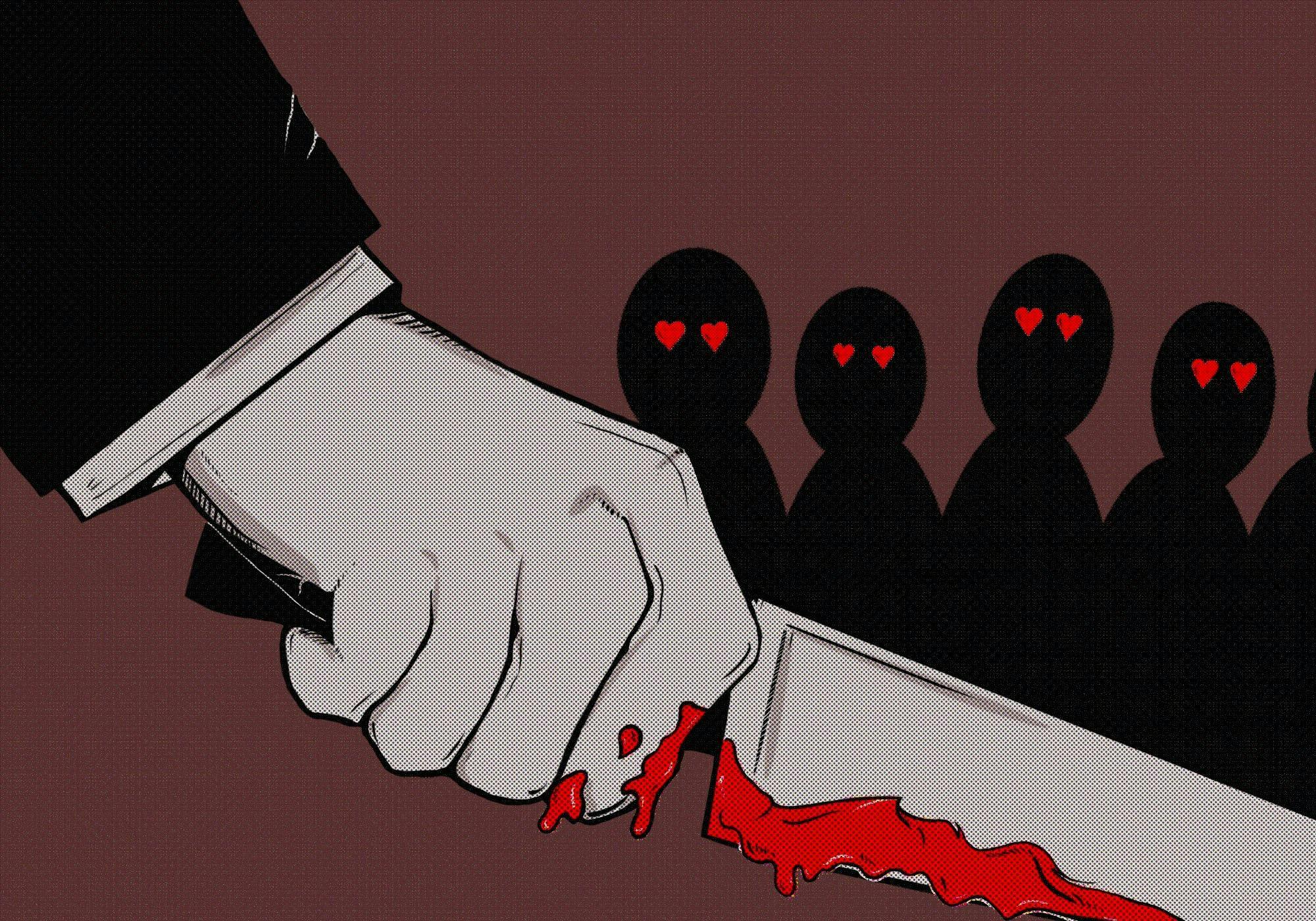
For journalism junior, Sasha Hatinger, Forensic Files stayed playing on her TV. From age 12, she had been immersed in true crime.
"It was really interesting seeing how they do DNA tests… how a piece of hair could get somebody caught up years later," she said.
With shows like Forensic Files and channels like Investigation Discovery rising to fame – both of which Hatinger enjoys – true crime documentaries became a staple on Netflix's recommended pages. Ranging from unsolved mysteries to inside the mind of serial killers, these shows garnered attention.
One of these types of shows is Monster, by Ryan Murphy and Ian Brennan. Unlike true crime documentaries, Murphy and Brennan’s show is a biographical crime drama anthology that follows the lives of monstrous figures. The seasons tell the stories of Jeffery Dahmer which released in 2022, the Menendez brothers in 2024 and the third season about Ed Gein, which was released Oct. 3.
Gein’s story is a horrific account of a man plagued by schizophrenic visions and a killing spree that left a few dead, but many bodies dug up. Even though these accounts are featured in the show, most episodes dramatize Gein’s acts.
The show debuted at #2 on Netflix's weekly chart and climbed to #1 in its second week, it has remained in the top ten since.
So, what makes these dramatized versions so interesting to true-crime fans?
Criminal justice professor Vivian Aranda-Hughes is an avid viewer. It calms her down to watch true crime, "it temporarily gets me out of my stressful life and into something that stimulates me but lets me escape," she said.
However, every time she watches a true crime documentary, or even a dramatized version, she does her research.
"Unless you’re there, nobody really knows what a 100% true story is. It’s almost impossible to give a fully accurate account," Aranda-Hughes said. "Not everybody is going to jump on the internet to find out what’s true and what’s not. People sometimes just take away whatever it is that they saw."
Hatinger challenges viewers, "Don’t just believe everything that’s on a Netflix show," she said.
When she watches true crime, Hatinger thinks of her kids, "It made me think about my childhood trauma, and it made me want to be even more protective and loving for my kids," she said.
But, Aranada-Hughes said, this fascination, behind this obsession with true-crime shows, stems from our psychological nature: "As human beings, we like the shock factor."
"We’re curious. We like the drama," Aranada-Hughes said. "And there’s another part of us that just wants to make sense of something that doesn’t make sense."
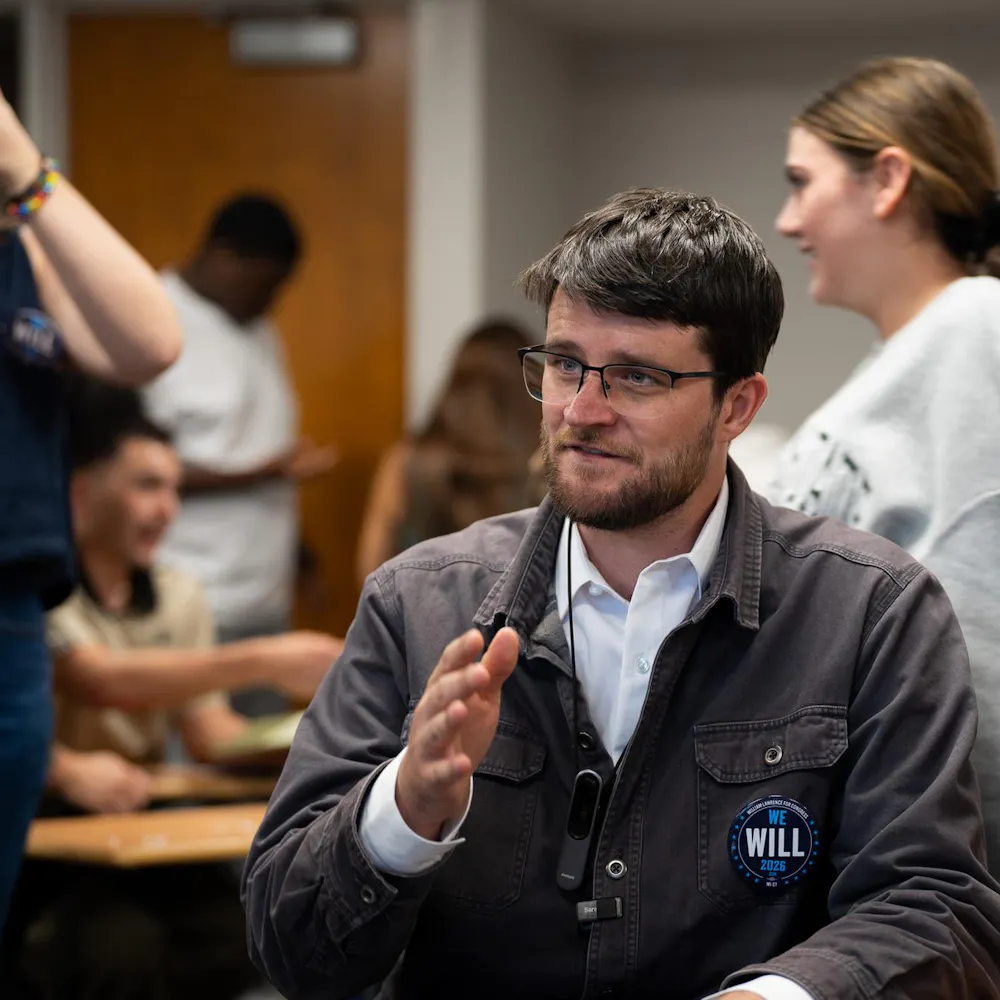
Literature professor Bradley Deane said the history of horror itself runs much deeper than just true crime.
"There’s never been a time when we weren’t telling spooky stories to one another," Deane said.
He said that the theories of horror from Edmund Burke and Aristotle – Burke's view that pain is the most powerful emotion we feel, and Aristotle's view that this feeling is released through the emotion of catharsis – are starting points for how audiences view the horror genre.
With that said, true crime has always been reinventing itself, too, Deane said, "In the 1960s with Truman Capote’s In Cold Blood, and now with podcasts."
To talk about the monster, within a true crime documentary or even horror itself, Deane said, "Monsters make us afraid, but they represent forbidden desires – fascinations we can explore safely through stories."
"Serial killers are a unique group. They’re very different from someone who kills in a bar fight or out of rage," Aranada-Hughes said.
Support student media!
Please consider donating to The State News and help fund the future of journalism.
Serial killers are often shaped by inconsistent or coercive parenting that breeds anxiety and distrust, usually numbing their emotions so deeply that they lose or lack the capacity for empathy, coming to see human beings not as people but as objects to be used, which allows them to justify horrific acts, Aranada-Hughes said.
"What interests us about monsters in the first place is that there’s something partly human in them, otherwise we wouldn’t care," Deane said.
Discussion
Share and discuss “Inside what fuels the obsession for true crime ” on social media.