Lansing and East Lansing voters are facing divergent choices to move the values of democratic representation, inclusion, and regional cooperation in different directions as they head to the polls this year and next with their respective city charters.
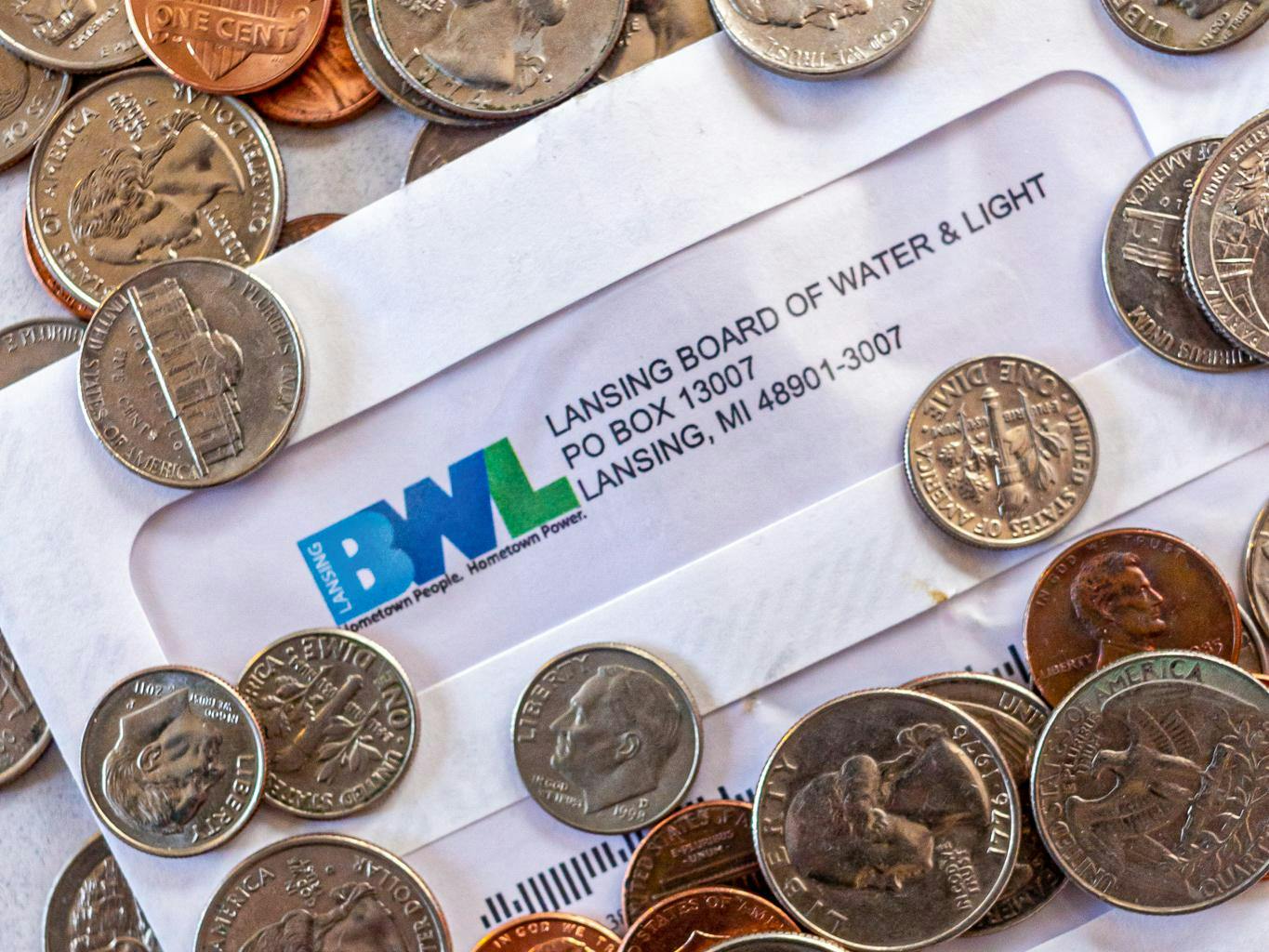
Lansing’s Charter Review Commission has proposed a new city charter that would remove the City of East Lansing, Delta Township, and other local municipalities from non-voting representation on the Board of Water & Light (BWL) Board of Commissioners.
If voters approve the charter, which contains numerous other provisions in an all-or-nothing vote, these communities will lose their seat at the governing table of this important public utility.
East Lansing’s Charter Review Committee has proposed a charter amendment that seeks voting representation in any regional authority that provides services to or taxes its residents. While this would apply to other entities besides the BWL, it seeks not only to preserve a seat at the table, but also to have a voice in the process.
East Lansing’s process differs from Lansing’s, as the former’s city council may place each of twenty-three proposed charter amendments as separate questions on the ballot, versus just one question for Lansing voters to approve or reject a new city charter.
For Lansing voters, this is logrolling at work, a legislative tactic where drafters package together ideas that would not have much support on their own with other better ideas with more popular support. The result is the more unpopular ideas being enacted with the more popular ones.
Want to have your voice heard? Submit guest commentary.
The State News is accepting guest commentary and letters to the editor. Guest commentary should be between 600-800 words and contain well-reasoned arguments that inform and engage readers like you. Letters should be fewer than 300 words and provide commentary on issues of interest and stories we've covered. We will not publish any anonymous submissions.
For more information, go to our submission portal under the 'commentary' tab at statenews.com
Questions? Contact Opinion Coordinator Jack Williams at opinion@statenews.com
In a perfect world, our law drafters wouldn’t engage in logrolling, so whether Lansing’s commission intentionally did that or not, the result is the same. Voters must adopt some poor ideas with some better ideas or adopt nothing at all.
But beyond logrolling is the fight for regionalism in mid-Michigan.
Local governments at the village, township, city, and county levels can work together to improve the quality of life of all area residents in ways that no municipality can do on its own. But with a few exceptions, Mid-Michigan has lacked the leadership and community vision to promote greater inclusion, collaboration, and economic integration amongst area inhabitants.
The actions of the Lansing Charter Commission fail to uplift the spirit of unity this region needs to power forward to a better future. We should be advocating for more cooperation and more democracy in our local communities.
Ultimately Lansing voters must choose and vote their principles and balance the good and the bad together with this new charter. East Lansing voters have a better process afforded them in next year’s elections to choose a-la-carte improvements to their government.
It is a missed opportunity that both communities didn’t coordinate a win-win solution to this problem that will remain unresolved regardless of how both cities' residents vote.
Jeffrey Hank is an attorney, former Vice Chair of the East Lansing Charter Review Committee, and proponent of regional voting representation on BWL’s Board. The views in this article are his own and independent of The State News.
Support student media!
Please consider donating to The State News and help fund the future of journalism.
Discussion
Share and discuss “GUEST COMMENTARY: Lansing and East Lansing Charter Amendment Proposals are at Odds” on social media.