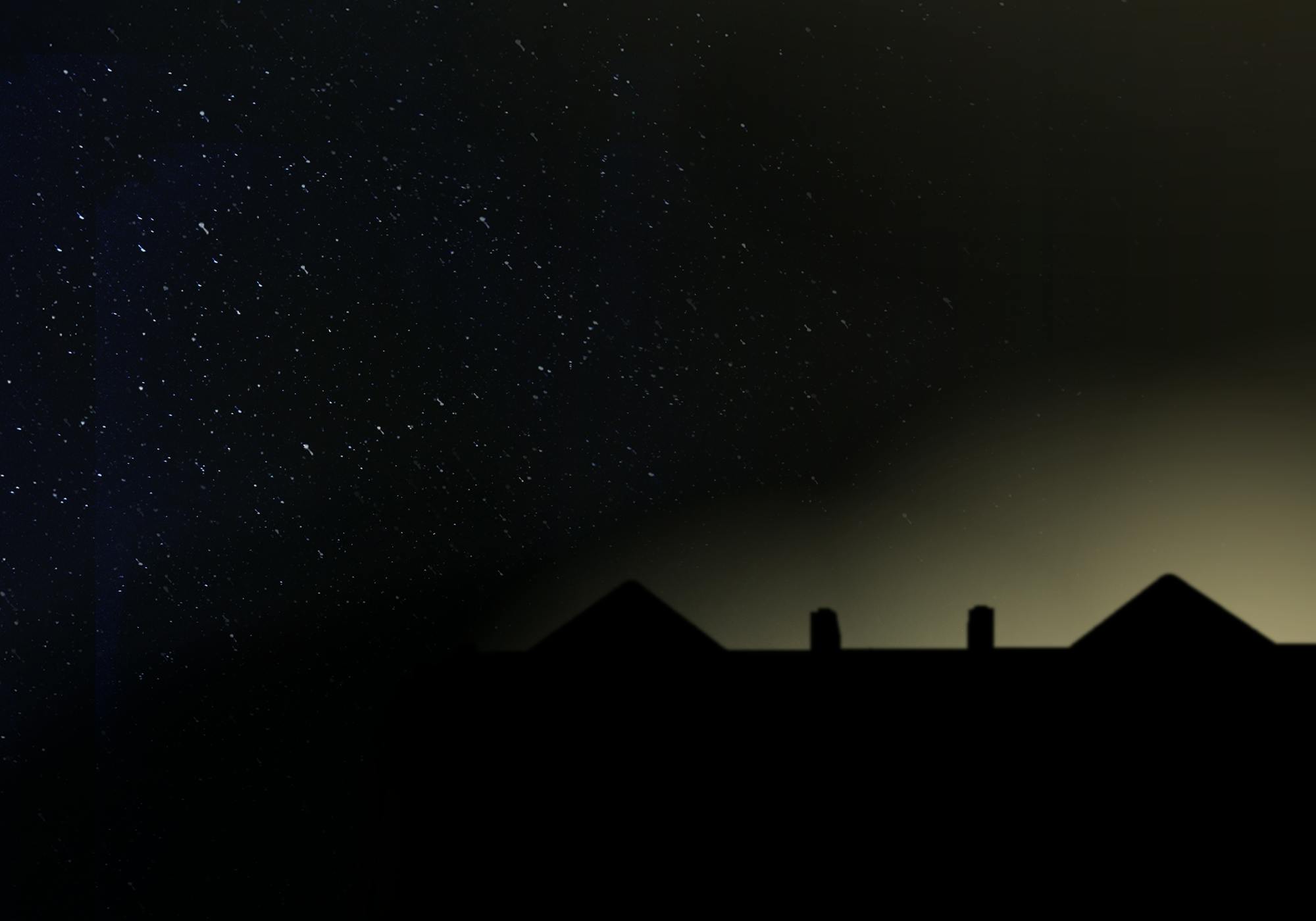
It’s approaching midnight in the middle of a deserted park. A couple unrolls a picnic blanket, laying it flat against the grass. They sit together and begin exchanging the joys and stresses of their day. As they talk, they take in the night sky. The glistening stars paint a labyrinthine tapestry against the pure black expanse. Maybe one points out a few constellations, or maybe they both just stare and wonder. They take in the enormity of the universe.
That might be possible in your hometown, but at MSU, that couple stays home. When they look up at night, there’s nothing to see.
Light pollution is the culprit: The clouding of the night sky by artificial light like street lamps or large bright buildings, that artificial brightness makes many stars invisible at night.
It’s an easily forgotten problem in a world full of bigger ones. The name is so generic it could have been made by a random pollution word generator, right next to "radioactive deforestation" or "noise erosion." But that doesn’t mean it’s unimportant.
Even for those who could care less about the majesty of the night sky, light pollution is dangerous. DarkSky International, a group dedicated to fighting light pollution, notes on their website that extended exposure to outdoor artificial light is associated with reduced sleep time, impaired daytime functioning and obesity. It also disturbs ecosystems, they say, from toads’ breeding patterns to birds’ migrations.
East Lansing faces extreme light pollution levels, with parts of Grand River and most of campus having radiance levels comparable to major cities like Detroit.
I recently visited the MSU Observatory, assuming that the University would be sure to spare its renowned astronomy program from the scourge of artificial light. What I learned while speaking to Jack Schulte, a PhD Candidate working in the Observatory, was the opposite.
"Light pollution negatively affects our ability to perform science observations," he said. "It increases the level of background noise in our observations which leads to less precise measurements." A cursory glance around the observatory leads to the same impression. Even on a night with stellar weather, the view above MSU’s telescope is cloudy.
Schulte also said that "light pollution just always gets worse." However, he ended on the hopeful note that "builders can choose to be conscious of light pollution when they decide how to build everything from office buildings to street lamps." Examples of this responsible building might include building fewer outdoor lights, building said lights with timers and making sure they’re shielded to avoid excess exposure.
For their part, MSU has been pushing campus in the wrong direction with recent infrastructure developments. Looking at local light pollution trends, while most of East Lansing’s light pollution has trended down in recent years, it has risen on campus (particularly near South Neighborhood, Spartan Stadium and East Neighborhood).
In 2023, a representative from MSU’s Infrastructure Planning and Facilities teams noted their effort to "ensure that light on campus is facing downward to minimize light pollution." Such efforts would seem to be more of a myth.
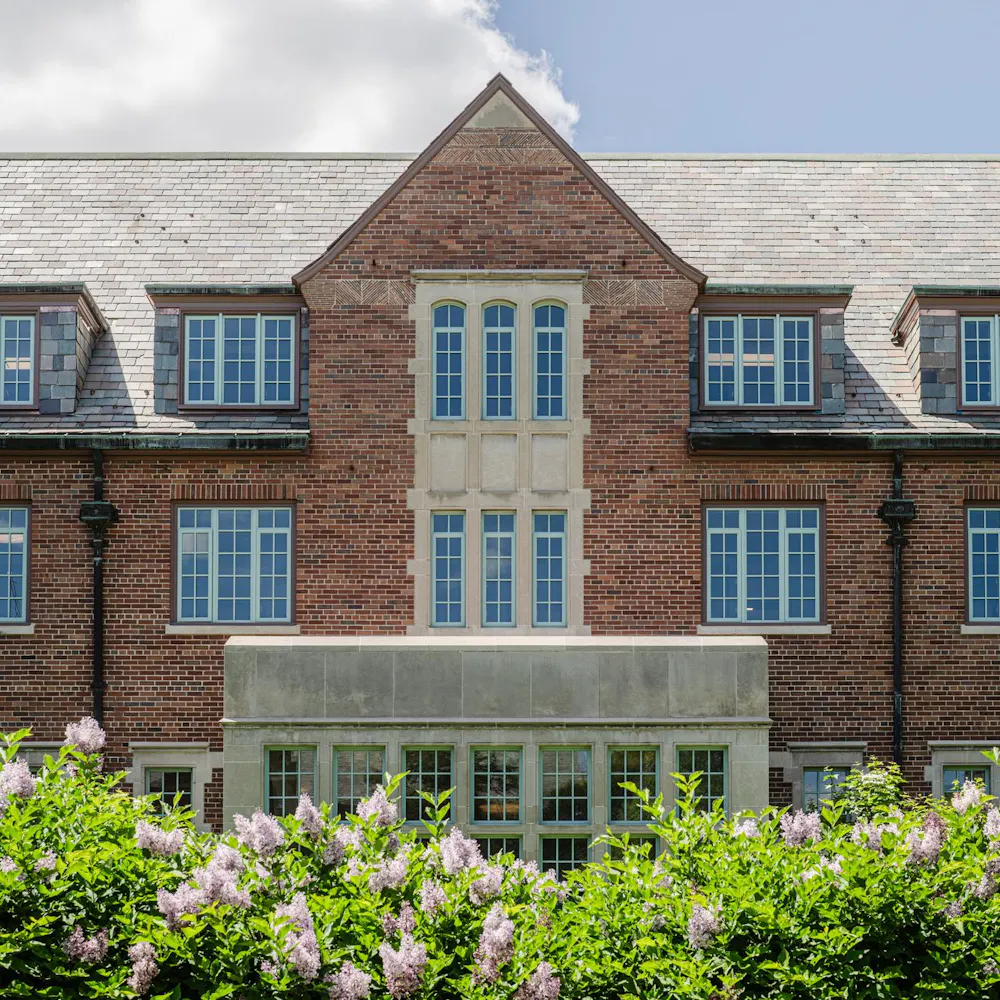
On campus, Spartan Stadium’s outer lights remain on 24/7. The MSU greenhouse facilities regularly blare a gaudy magenta into the night, and ongoing renovations to those facilities seem to lack any plans for minimizing light exposure.
MSU’s current light pollution plan, which looks much more like sheer ignorance, may be rooted in University policy; MSU regularly publishes design guidelines to clarify their policies on architecture and infrastructure.
In 2019, those guidelines included multiple provisions designed to minimize light pollution by using lights that turn off automatically at night, introducing shielding to lights and holding total exposed light from buildings to certain levels.
As of today, the light pollution guidelines are missing.
The bottom line is this: light pollution is a serious problem at MSU, and I seem like the only one who cares about it.
MSU prides itself on its natural areas. They brag to incoming students on tours about our forests, rivers and other preserved landscapes just around campus. And when students actually visit those areas, they may have a lot of fun during the day, hiking through trails or studying wildlife. But when the sun goes down, students pay the toll for irresponsible building practices.
We pay when our Astronomy program is hampered in its experimentation. We pay when we can’t sleep at night because even the outdoors are filled with artificial light. And we pay when we lose that utterly human experience of wondering at a night sky full of stars.
Jack O'Brien is a junior studying Political Theory and Constitutional Democracy and a columnist at The State News. The views in this article are his own and independent of The State News.
Support student media!
Please consider donating to The State News and help fund the future of journalism.
Discussion
Share and discuss “OPINION: MSU stole our stars” on social media.