In a time when depression, anxiety and suicide rates among college students continue to climb, Michigan State University is recalibrating how it responds. The State News sat down with University Health and Wellbeing (UHW) Executive Director Alexis Travis to discuss the university's new initiatives and mission.
The conversation also comes weeks after two apparent suicides occurred in downtown East Lansing, just steps from campus.
A year after MSU outlined new efforts to strengthen mental-health support, university officials say the framework is beginning to take shape with a newly launched Suicide Mortality Review Committee preparing to begin case reviews, expanded prevention programs and cross-department collaboration.
The committee, first proposed in 2024, officially launched at the end of last semester following more than a year of groundwork.
A group of representatives from UHW, the College of Human Medicine and Ingham County spent that time developing policies and procedures to guide the committee’s work, including standards for data collection, interview protocols, confidentiality agreements and legal compliance under HIPAA and FERPA.
Building on that foundation, the group will now evolve into a broader Committee that meets regularly to review student deaths by suicide. The goal, Travis said, is to identify contributing factors and recommend changes to help "create a safer, more supportive environment for all Spartans."
The committee's work will support MSU’s adoption of the Okanagan Charter, an international framework urging universities to embed health and wellness throughout all areas of campus life, Travis said.
Due to recent leadership transitions with the provost, a regular meeting schedule hasn’t been established yet, but they are expected to begin soon. Once underway, the committee’s findings will be shared with campus partners who play a role in suicide prevention and mental health programming.
However, UHW communications director Courtney Placinta said she does not anticipate the findings will be shared publicly due to the "sensitive and confidential nature of these reviews."
Improving coordination
Beyond the committee, UHW has continued to focus on improving coordination among its 11 units, including Counseling and Psychiatric Services (CAPS), the Center for Survivors and the Employee Assistance Program (EAP).
"CAPS and EAP operate within the same organizational pillar, which has enabled more seamless collaboration through regular cross-team meetings," Travis said. She added that shared planning sessions and aligned communications have strengthened the relationship between those departments and the Center for Survivors.
Events like Fresh Check Day, which combines efforts from CAPS and Health Promotion to raise awareness about suicide prevention, have also become more collaborative. Last year’s event reached more than 600 students, and this year’s is scheduled for Oct. 15.
Budget cuts impact UHW’s mental health plan
Sweeping university-wide budget cuts this summer threw MSU’s mental health services into the spotlight when they announced a restructuring of Counseling and Psychiatric Services (CAPS) that sparked widespread concern among students, staff and faculty.
As part of a 9% reduction across all university departments, the plan called for shifting CAPS’ psychiatric care to MSU Health Care — a move Travis said was based on overlapping services and declining utilization. According to UHW data, CAPS’ psychiatric program served 684 students last year, a 41% decrease since 2017, while CAPS counseling appointments rose 12% in that same period.
Still, the announcement prompted a swift and emotional response from the campus community. The restructuring included layoffs for several psychiatric staff members, including CAPS Director Swapna Hingwe, and led to a petition signed by more than 1,500 students, alumni and faculty calling for her reinstatement and urging MSU to reconsider the cuts.
Travis said there had been "a lot of misinformation around the transition of psychiatric services," and emphasized that UHW participated in the same reduction process as every other campus unit, which used data to identify where student needs were greatest and where services might overlap.
The backlash ultimately prompted university leaders to pause the transition, and Hingwe and other affected staff have since been reinstated while the plan undergoes further review by MSU’s new leadership team, including Provost Laura Lee McIntyre and Vice President for Student Affairs James Hintz, who both began their roles this semester.
"The decision to pause was just to give us a little bit more time to consult with stakeholders and for our new leaders to get up to speed with everything related to this issue," Travis said.
Support student media!
Please consider donating to The State News and help fund the future of journalism.
For now, CAPS remains fully under UHW as McIntyre and Hintz assess options and gather feedback before any future changes are implemented.
New outreach and visibility efforts
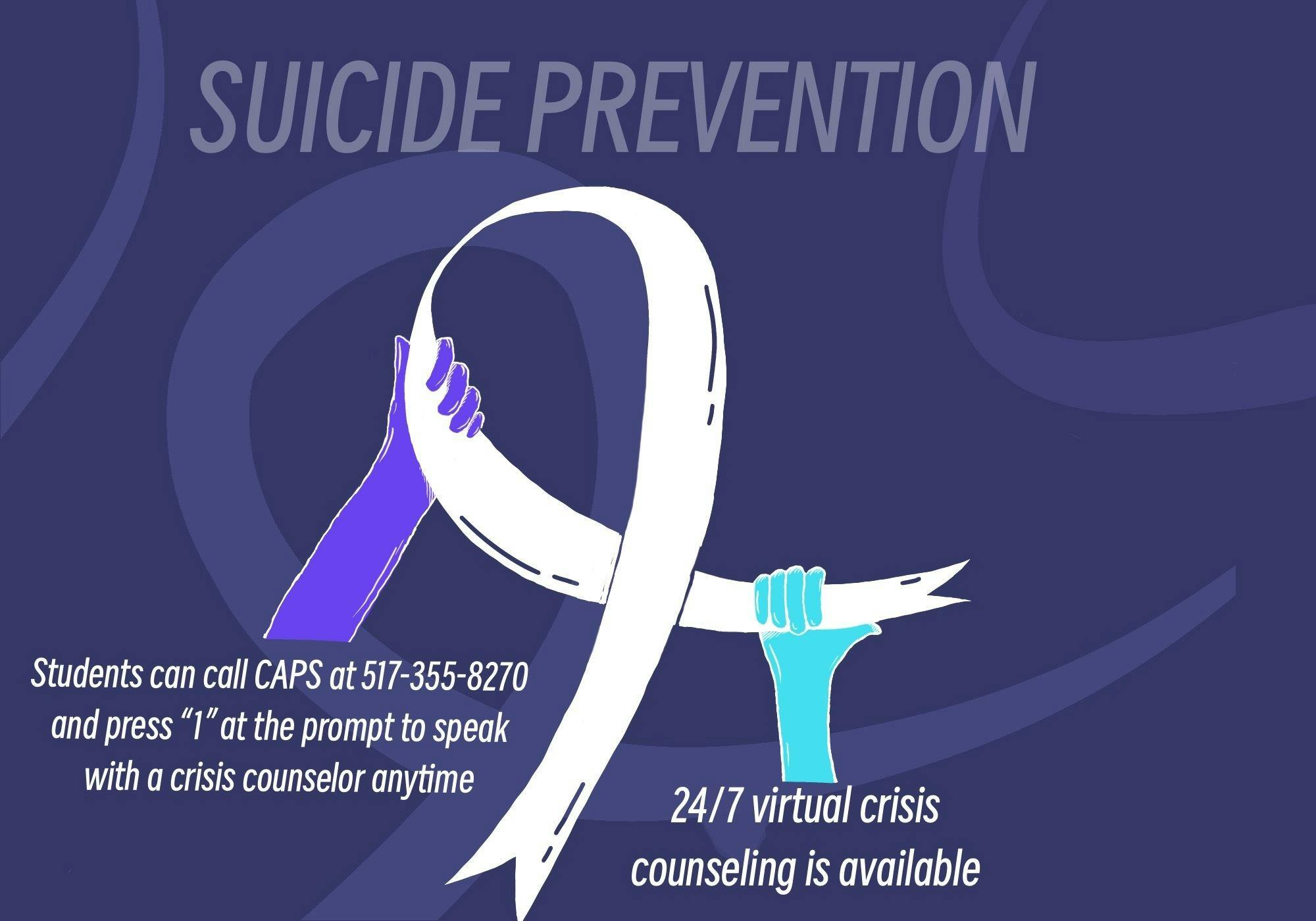
Travis pointed to several recent outreach efforts designed to increase the visibility of mental health support across campus. These include "You Are Not Alone" signs listing the 988 suicide hotline and linking to campus crisis resources, Spartan ID cards that now include mental health information and embedded CAPS counselors located in specific colleges and student spaces.
UHW also launched new community-based programs such as Mindful State Days, a two-day series in September offering meditation and stress-management sessions, and expanded QPR suicide prevention training, which teaches participants how to recognize warning signs and connect peers with help.
Student perspectives
Deepinder Kaur, the president of "We Are Saath," said the progress so far is visible, but that access and cultural inclusivity remain challenges. This registered student organization promotes mental health awareness within South Asian communities.
Kaur said MSU’s growing list of programs is promising but often feels disconnected from students who need them most. Representation among counselors and stronger outreach to cultural organizations could help more students feel seen and supported.
"It’s great that these resources exist," Kaur said. "But sometimes it still feels awkward going to them. There’s stigma, and I think MSU could do more to break that down and make students feel it’s okay to ask for help."
Looking ahead
Travis said UHW plans to continue expanding its prevention initiatives while the suicide mortality review committee begins its formal work. Findings from the committee will inform campus-wide strategies to identify risk factors and strengthen early intervention.
"Our goal is to build a culture of care," she said. "We want every Spartan to know that support is available and that mental health is an essential part of student success."
Discussion
Share and discuss “MSU outlines progress in mental health strategy as suicide review committee begins” on social media.