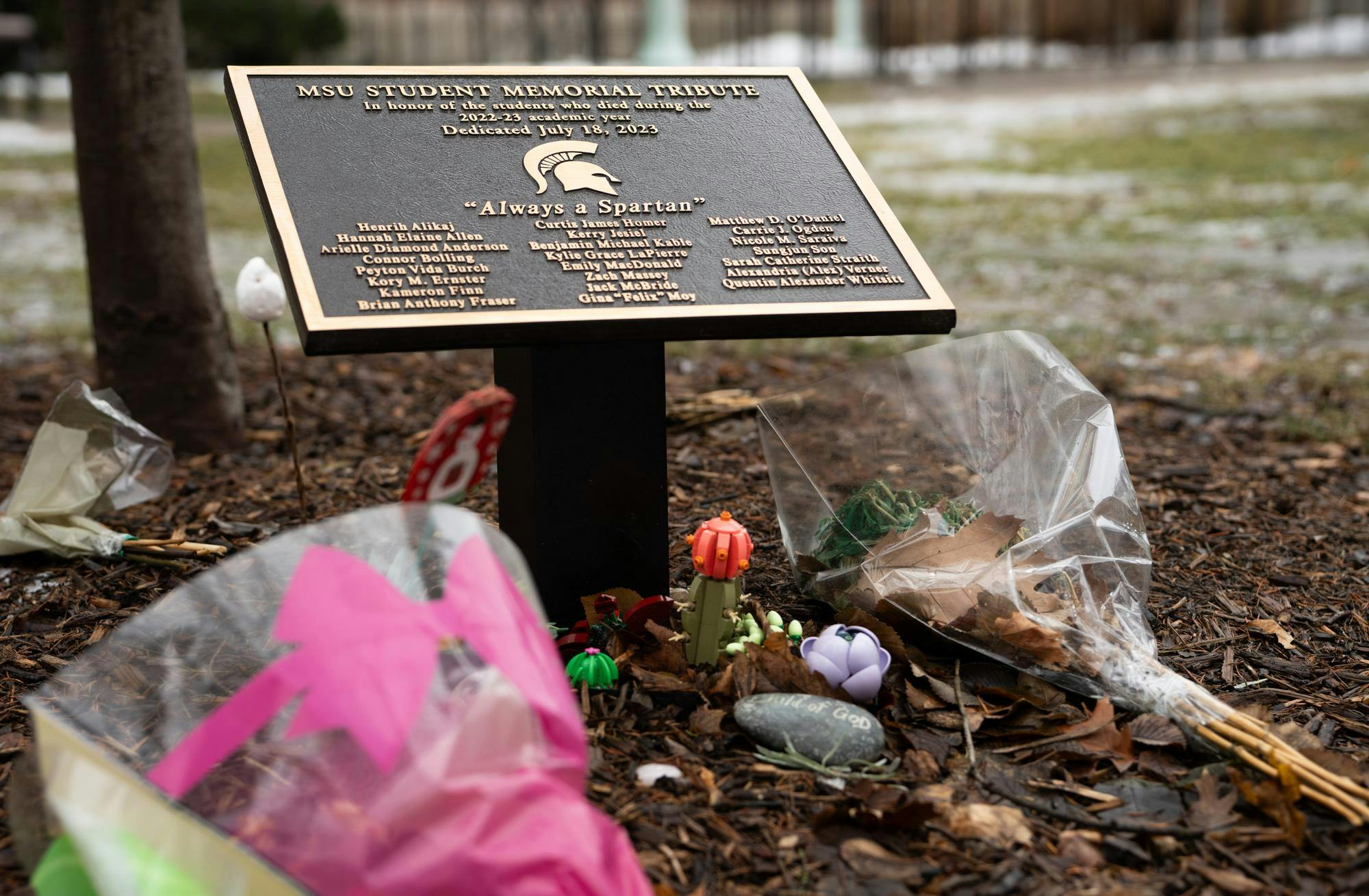
Flowers and other offerings rest at a student memorial including the names of the Feb. 13, 2023 campus shooting victims outside Berkey Hall on Feb. 3, 2025.
Michigan State University has revealed three proposed designs for a permanent memorial for the victims of the Feb. 13, 2023 campus shooting, a major update in the process of the university creating a space to remember those the community lost and others impacted.
From now through March 31, the MSU community can provide feedback on the design proposals through a community survey.
The Feb. 13 Permanent Memorial Planning Committee, which is made up of students, faculty, staff and community liaisons, has also narrowed down options for the memorial's location: Sleepy Hollow between Beaumont Tower and the Music Practice Building, and the Old Horticulture Garden located near the Student Services Building.
After the public comment window concludes, the committee will summarize responses and, in coordination with the Public Art on Campus Committee, recommend a final design for the memorial.
Construction is set to begin later in the spring and summer months of 2025.
Proposals for the permanent memorial include 3D displays, a video presentation and a written explanation of each design.
Proposal one
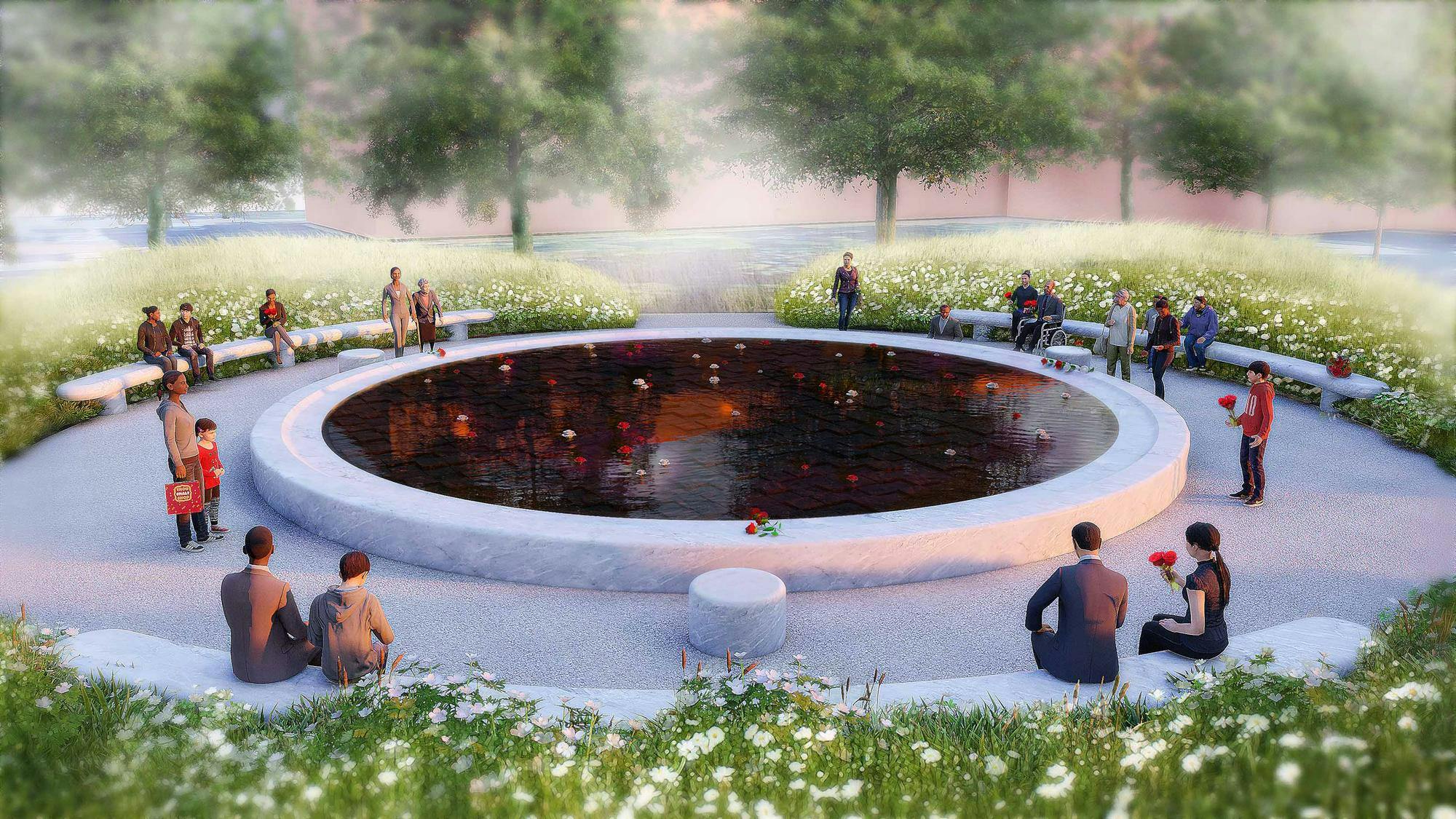
The design proposed by artists Carlos Portillo and Jessica Guinto places the memorial in the Old Horticulture Gardens.
Being built off an existing water feature in the space, the memorial would repurpose the existing infrastructure and create a space that "fosters healing, honors, and respects the process of grieving and remembrance," the artists wrote.
The design includes a black granite and white marble reflective pond that would show the surrounding campus in its water. The water would be warmed year-round so as not to freeze during winter, and the stone has "flecks of sparkling aggregate" that would provide "visual interest even when the pond is dry," the artists wrote.
The design also includes three benches and a circular path with polished pediment stones to symbolize the three students who died.
Around the memorial would be landscaping and selected greenery to give the spot a sense of "intimacy" and "isolation," the artists wrote. The flowers planted would also serve as reminders of "hope, healing, and the cyclical nature of memory."
"Tranquil reflections and soothing sounds from the water create a serene, delicate, and calm environment for visitors," the artists said.
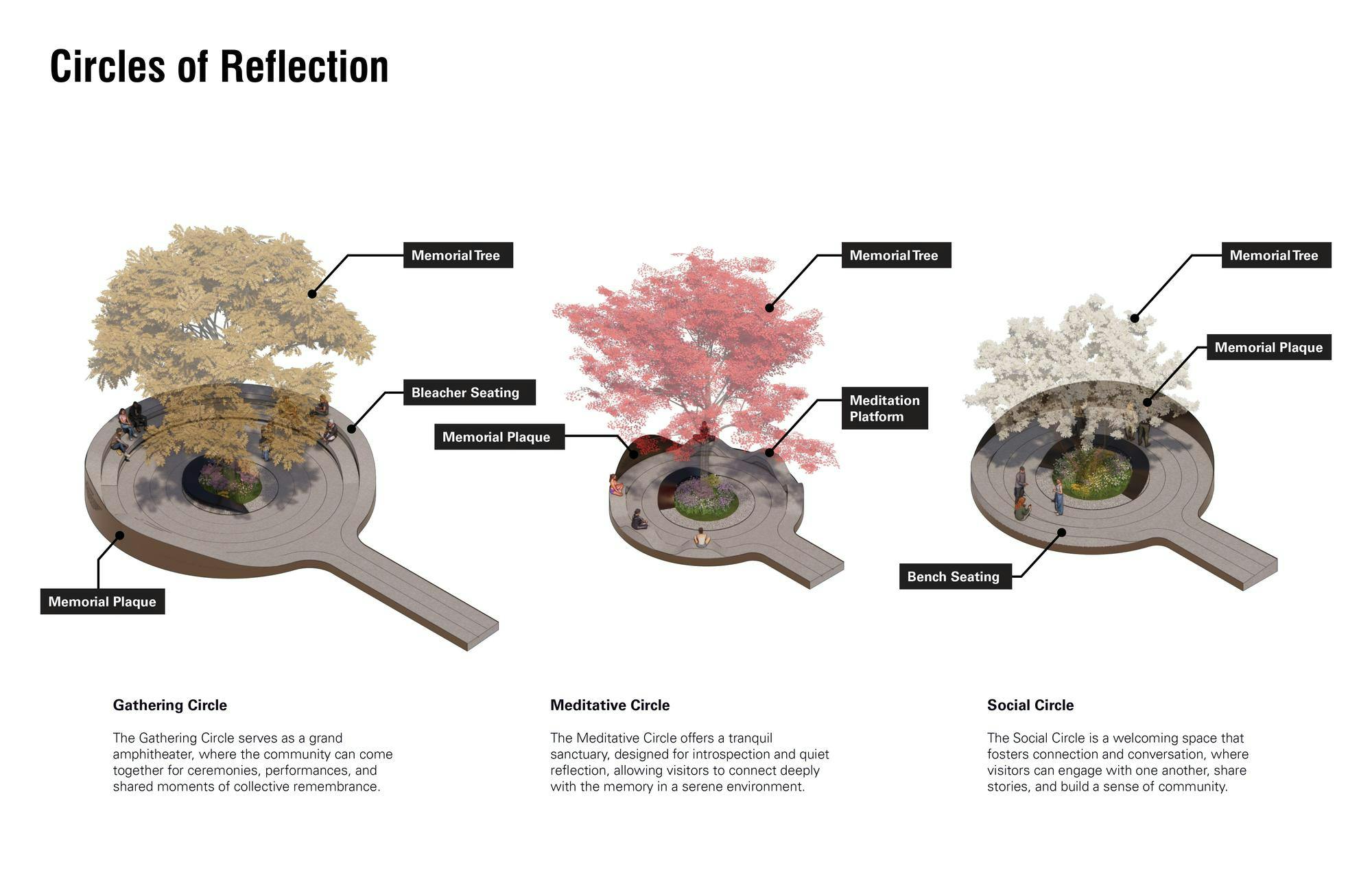
The "Circles of Reflection" design proposed by HWKN, an international architectural innovation firm based in New York City, places the memorial in Sleepy Hollow and includes three spaces: a gathering circle, meditative circle and social circle.
The circles would share common elements but all be unique, HWKN wrote in its proposal, and they would each have a unique tree at their centers with plaques to honor Alexandria Verner, Arielle Anderson and Brian Fraser as a "tribute to the lives they lived."
The design also includes a path between the circles and seating.
The firm wrote that "Circles of Memory" would be a "gathering space for continuing their memory, a place of refuge for reflection, and a connector for those seeking comfort in community."
"The path that weaves them together leads toward a renewed and united MSU," the firm wrote.
Support student media!
Please consider donating to The State News and help fund the future of journalism.
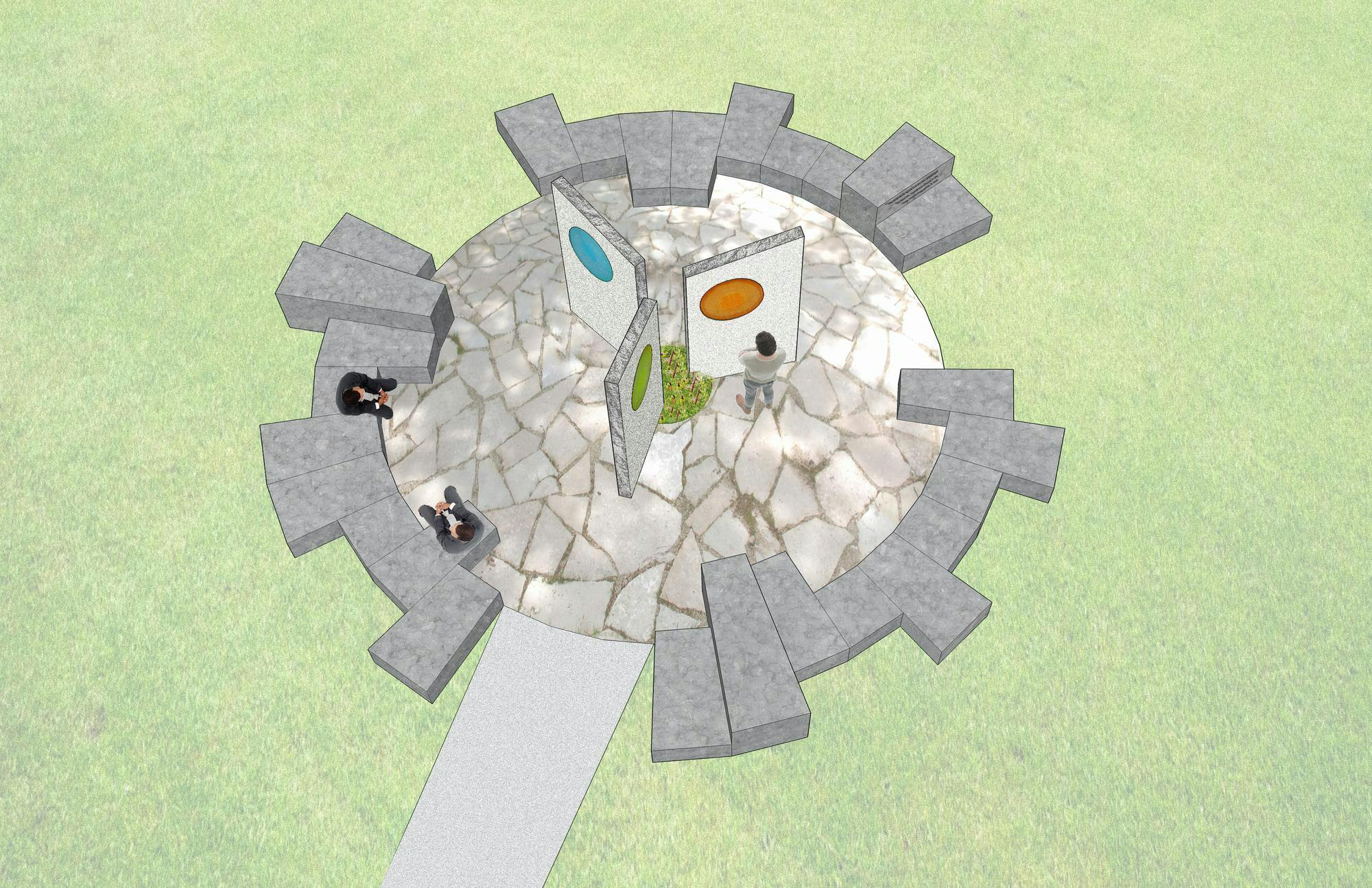
The design proposed by James Dinh, an artist based in the Los Angeles area, places the memorial in Sleepy Hollow, "a site steeped in history and spirit."
The memorial is composed of two elements: "Camp Circle," a space welcoming to visitors that symbolizes unity, inclusiveness and the earth, and "Memory Windows," three radiating stone walls that create three rooms for reflection.
The three walls may feature engraved text from the victims' loved ones and would each hold a colored glass window that "serves as a threshold between the living and the spirit." The colored glass would "evoke a lightness and translucency that symbolizes the spirit and the fragility of life," Dinh wrote.
The memorial design also includes an accessible pathway and large stone blocks for seating or tables, in addition to taller ones that could be engraved.
"Through the use of metaphors, simple forms, and enduring materials, the design seeks to evoke a combination of strength and vulnerability, spirituality and earthliness, as well as loss and renewal," Dinh said in his proposal. "The design is intended to work on a physical, tactile level as well an emotional and metaphorical one, carrying its message across time to future generations."
Discussion
Share and discuss “MSU unveils final design concepts for permanent campus shooting memorial” on social media.