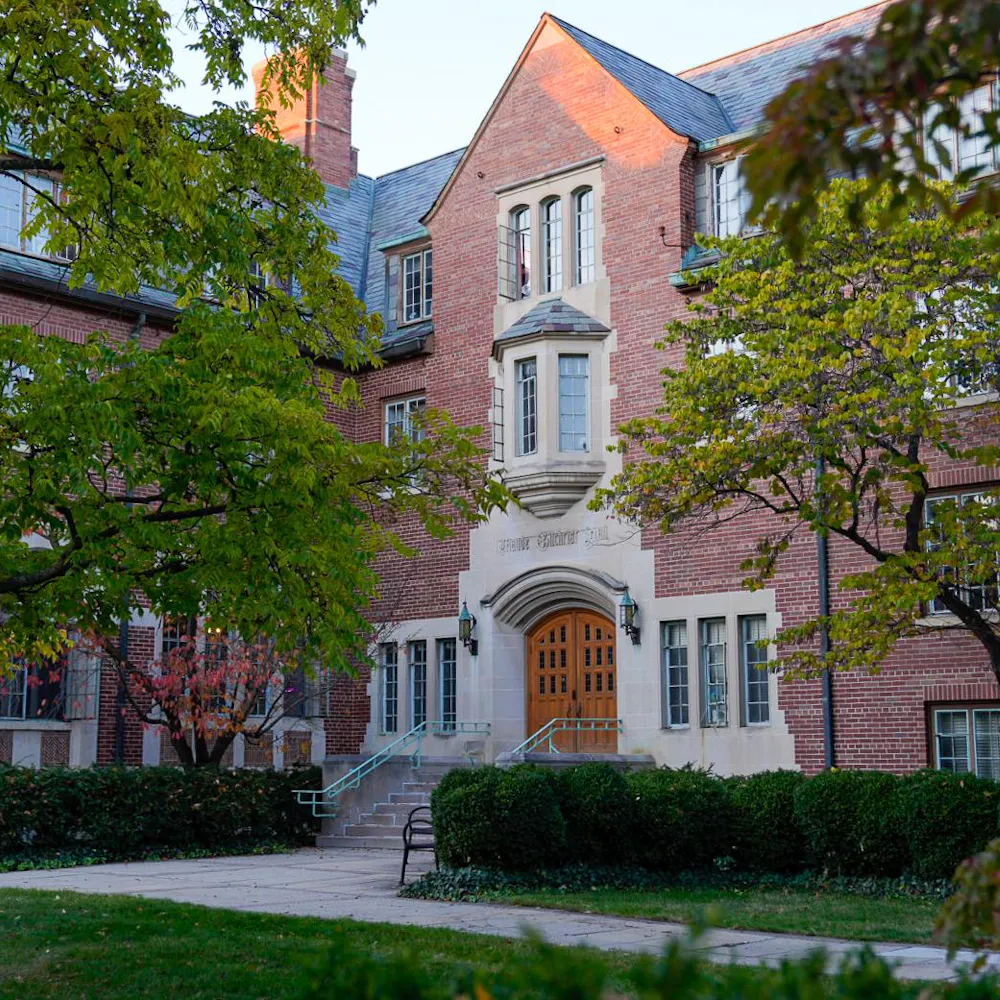
Gov. Rick Snyder spoke at the iNet International Conference today at Kellogg Center in front of more than 200 educators from across the globe attended.
Teachers traveled from countries as far away as Nepal, the Netherlands and the United Arab Emirates to come to MSU for the week, where they discussed education issues and heard speakers, including Gov. Rick Snyder, said Barbara Markle, assistant dean of K-12 Outreach in the College of Education.
Snyder spoke at the conference Tuesday night, discussing why he feels P-20 — or lifelong learning — is important to schools in the state and across the world.
“It’s not about separating our education system but how do we make a seamless system so people can … have opportunities to grow and flourish and succeed,” he said. “I was a nerd in school and still am a proud nerd.”
The office of K-12 Outreach has hosted an international conference for the past five years, Markle said. Teachers from across the world have to tackle many of the same issues, including the best ways to teach students with attention deficit disorder and whether to use a mandated curriculum or allow students to follow their individual strengths when learning, she said.
“The challenges (we face) are not too different,” Markle said. “It helps us realize we’re not alone in this work.”
In previous years, the iNet conferences have been held in countries that include South Africa and China, she said.
As the head teacher of Appleby Grammar School in northwest England, Andrew Lund works with students more than 3,000 miles away from East Lansing. But there’s one theme he’s noticed that is affecting students in both the United Kingdom and the United States: globalization.
“All young people are going into a global world,” Lund said. “They can communicate with anyone at the click of a button.”
For Lund, the conference has given him a chance to learn more about the skills his students in England need in the increasingly globalized world they face in the 21st century. He said he has been traveling between Grand Rapids and his hometown for the past two years to partner with another school, having his students and theirs communicate with each other via Skype.
“It’s about a better understanding of each other’s countries,” Lund said. “We’re similar, but we’re different in a lot of ways.”
Judy Nichols, an educational technology consultant for Oakland Schools, said she has been speaking with her counterparts in other countries about what technology systems they have and how they use web-based learning. A few years ago, she went with an MSU study group to Beijing, China, and was very interested to hear how teachers handle the same education problems in different countries, she said.
“A lot of times, we fall into the habit of thinking we’re the only ones doing X or Y or Z,” she said. “A lot of other people are thinking along those same lines or doing something completely different.”
Mike Simeck, the superintendent at Berkley Schools, went on an administrative Fulbright Teacher Exchange Program to England in 2006 and said the country approaches things, such as standardized testing, differently. From elementary to high school, students are evaluated each year to see how much educational value they have gained in that time, he said. The responsibility for that growth is placed on teachers, Simeck said.
“They’ve been doing that for 15 years,” he said. “In Michigan, we’re about 10 years behind England.”
Support student media!
Please consider donating to The State News and help fund the future of journalism.
Discussion
Share and discuss “Gov. Snyder speaks at education conference at Kellogg Center” on social media.