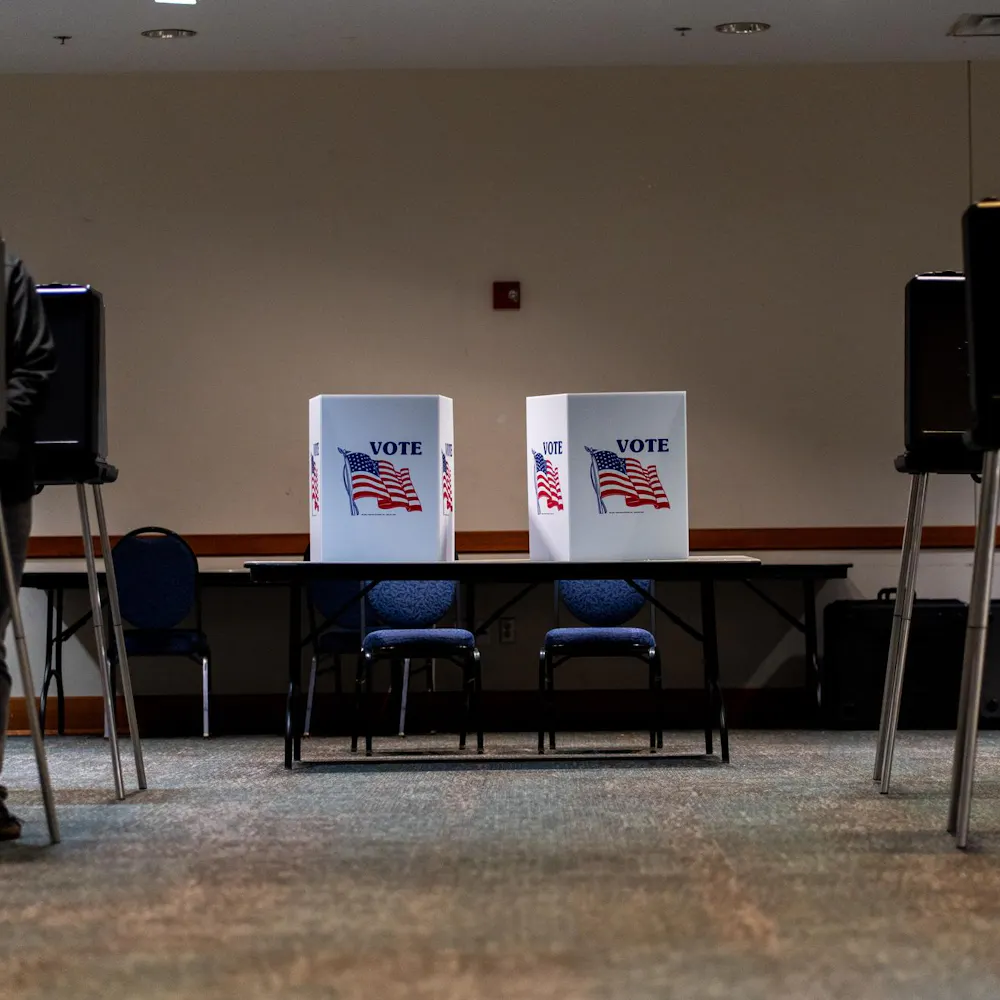
A ballot initiative that would limit state spending could be placed before voters in the Nov. 7 election.
The initiative, created by the Michigan Stop Overspending Committee, would limit state growth every year by restricting government spending to the rate of inflation and population increases.
The initiative also would prohibit state legislators from receiving state-funded pensions for life.
If local governments want to spend more, they would have to put it before voters.
"It lets people decide when they want to go beyond the rate of inflation," said Scott Tillman, a member of the committee.
The organization turned in 503,000 signatures in early July, Tillman said.
They need to have 317,757 certified signatures to be put on the November ballot, and the names are being reviewed by the Board of State Canvassers.
Opponents of the initiative argue it would hurt cities and the state because spending decisions would have to be voted on, which would delay services.
"A local unit of government can no longer say we can bond for that. They now have to go to the people," said Roger Martin, spokesman for Defend Michigan, an organization opposed to the ballot initiative.
Martin's organization argues that if cities are forced to have voters decide on whether or not to raise certain fees or taxes, it will be a costly process.
"If a sewer line breaks in East Lansing and the government needs to spend beyond whatever the cap provides for, they'll have to get a vote of the people," Martin said.
The government should stay on a budget instead of spending recklessly, proponents of the initiative counter.
"It's always better for people to be in charge when it comes to spending increases instead of giving the government a blank check," Tillman said.
He said the government needs to have some limits on how much money it can spend. Overspending, he said, hurts jobs and the economy.
"Voters deserve the right to say, if you go beyond the rate of inflation, check with us first; let us decide," Tillman said.
East Lansing Mayor Sam Singh said people don't want to have to get involved in things like changing fees for certain services, and the elected councilmembers should be the ones to make those decisions.
It would be costly to hold elections every time decisions like that have to be made, he also said.
"For me, to have that kind of burden on local governments across the state is ridiculous," Singh said.
Although Singh said he understands the desire to not have to pay a lot in taxes, officials don't want to spend money they don't have to.
"Most of us do our best to keep costs down, and we all try to stay within our means," Singh said.