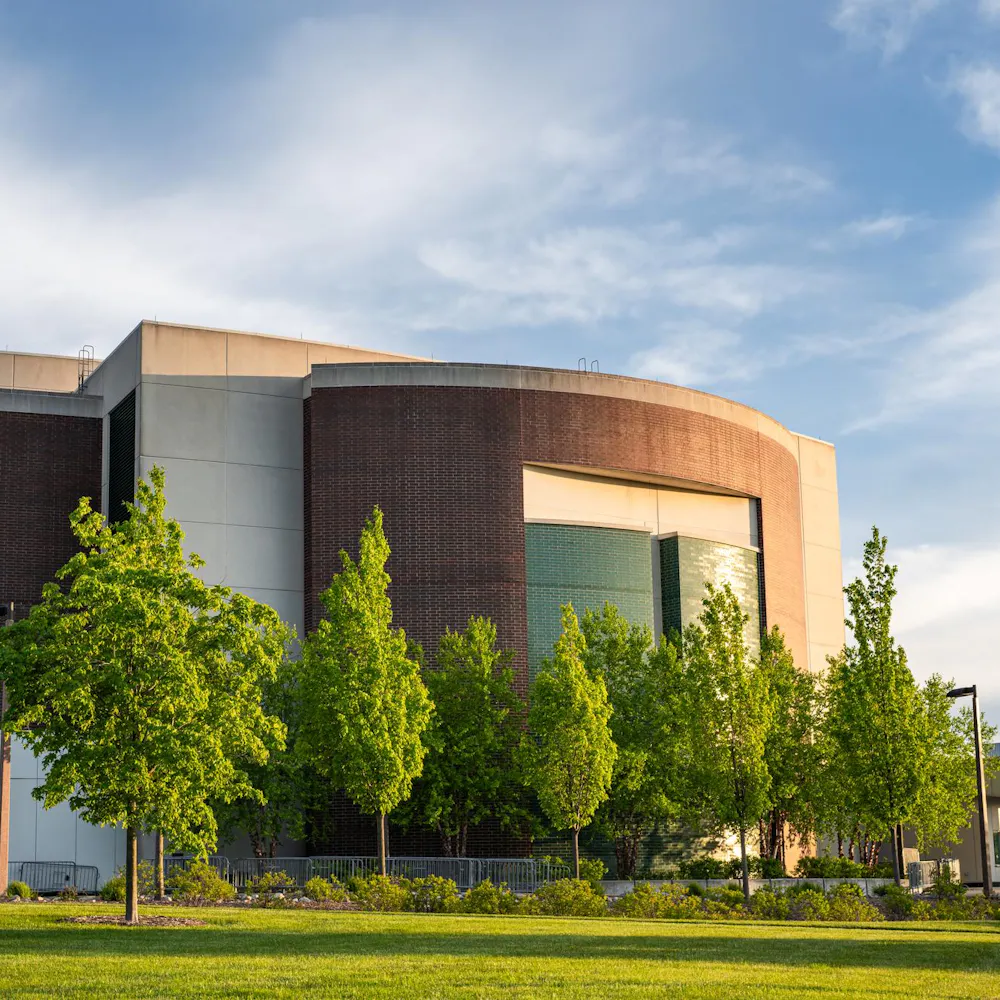
MSU President M. Peter McPherson, state Rep. Paul DeWeese and other state and university officials met Tuesday night at Kellogg Center to discuss rising tuition and the difficult budget year ahead for Michigan’s 15 public universities.
About 40 people were on hand for the discussion, which featured presentations by McPherson, Lansing Community College President Paula Cunningham, state Treasurer Doug Roberts and House Fiscal Agency Associate Director Hank Prince.
DeWeese and Ferris State University President William Sederburg moderated the two-hour discussion.
“There’s a lot of concern with declining state revenues,” said DeWeese, R-Williamston. “Giving our daughters and sons access to higher education is critical.
“America really prides itself on being a place that gives people access to a better future.”
In February, university presidents struck a tuition deal with Gov. John Engler. Engler agreed in his 2002-03 budget not to cut funding to any public university so long as it keeps tuition increases at or below 8.5 percent or $425, whichever is greater.
It was feared earlier this year that universities may see up to a 5 percent cut in funding.
All of the state’s universities have committed to the agreement. Central Michigan University’s Board of Trustees, which voted in December to raise tuition 28 percent, is expected to vote for a $425 increase, which would put the university’s tuition increase at about 10 percent.
McPherson called the deal “informal,” saying it’s important for universities to maintain the autonomy guaranteed them by the Michigan Constitution. But that independence comes with a duty to keep education affordable, McPherson said.
“Part of this autonomy responsibility is going to be to talk about how we’re going to cut costs,” he said.
Jared English, James Madison College representative to ASMSU’s Academic Assembly, said he would like to see those discussions about cost-cutting take place. English is expected to be appointed the undergraduate student government’s director of university, governmental and budgetary affairs on April 9.
“Anything that they could do below 8.5 percent would be great for students,” he said.