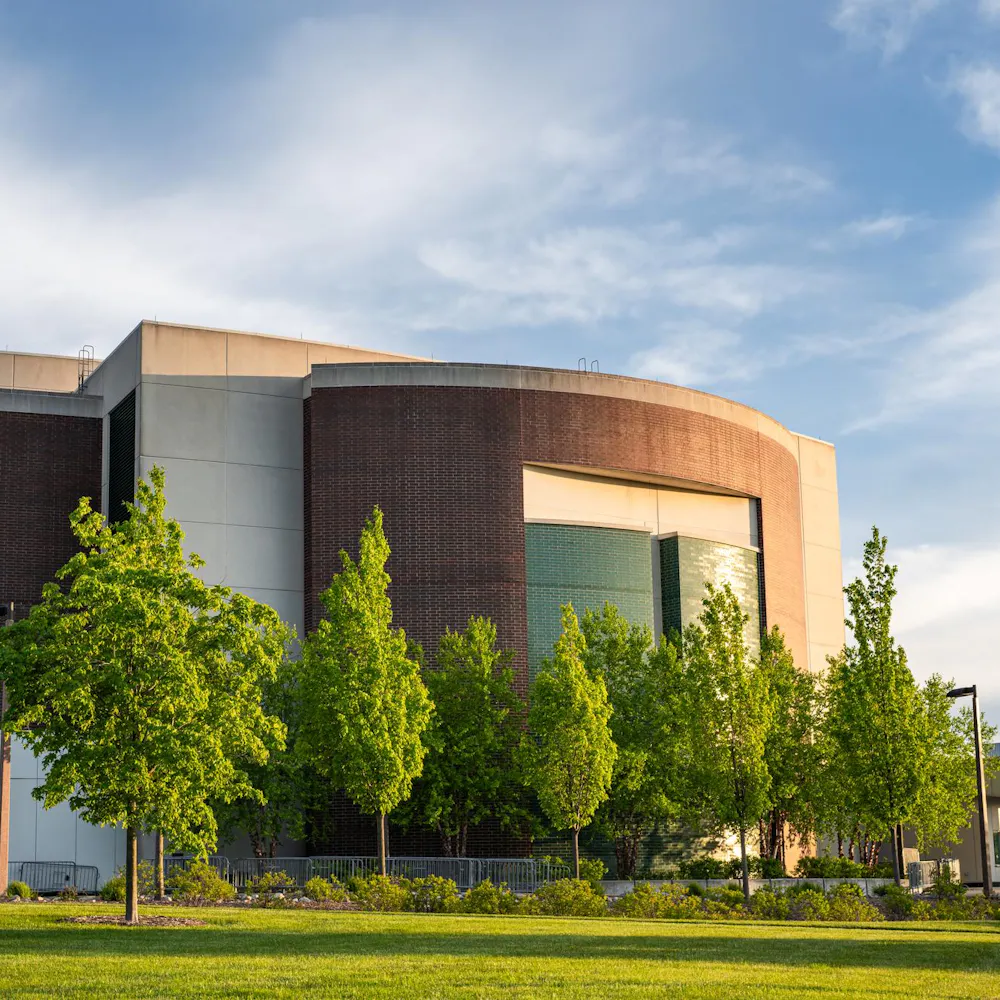
The Minnesota Room of the Union was full Thursday night; its occupants sitting in a riveted silence.
“More than one of you has someone in your family that’s intersexed,” Cheryl Chase, the executive director of the Intersex Society of North America, told the audience of more than 40 people.
One in 2,000 babies - or five children per day - are born intersexed, Chase said during her about 30-minute speech. She was speaking as part of a fundraiser for the society, which aims to raises awareness of intersexual issues.
A person is intersexed when they are born with what the society calls “mixed sexual anatomy.”
If an infant’s sexual anatomy protrudes away from the body more than 1 inch, the baby is considered male. If the protrusion is under three-eighths of an inch, the baby is female.
Infants with protrusions between those measurements are considered for sex reassignment surgery. And that, said Chase, can pose a major problem for the patient.
“Intersexuality isn’t a medical issue,” she said. “It doesn’t cause anybody to be sick or in pain.”
But it’s fear of being different, Chase said, that makes many parents opt for the surgery.
The fault doesn’t lie with doctors alone, she said.
“The culture as a whole is what decided to do that,” she said. “Doctors come from this culture that is afraid and confused and angered by anybody who doesn’t fit - that includes homosexuality and transgender and physical sexual difference.”
Dr. Aron Sousa,a professor in the Department of Medicine and member of the society, said Chase’s visit was a part of medical history.
“It’s always good to have Cheryl around,” Sousa said. “This is a part of progress.”
Human biology senior Brian Bakofensaw Chase speak last year. He said in that time, the society’s cause has gained momentum.
“It’s really kind of exciting that now only one year later it seems like they have made such a bigger difference,” he said.
Bakofen said the society’s influence on intersex issues has been visible, saying “it’s amazing to know that there are hospitals now that are changing,” whereas last year, Chase was saying “hopefully they’ll change sometime.”
Chase’s own personal struggle with her intersexuality led her to champion the cause eight years ago. Chase was born with mixed genitals.
Doctors declared her male, but after a year and a half, it was decided she would be made surgically female.
“I’ve had to struggle with shame and anger and feelings of betrayal,” she said. “My family is estranged from me.”
It wasn’t until her mid-30s that Chase felt comfortable addressing the issue with her parents. When she did, she said the reaction wasn’t good.
“The first time I ever reached out for help or even somebody to listen they made it clear that they weren’t able to care about me all that much,” said Chase, now 44.
But Chase makes it clear that there is hope, saying, “It’s been really exciting to find allies.”
Ed Ronco can be reached at roncoedw@msu.edu.