Money makes the world go round, and in the case of MSU students, it keeps the campus looking up-to-date.
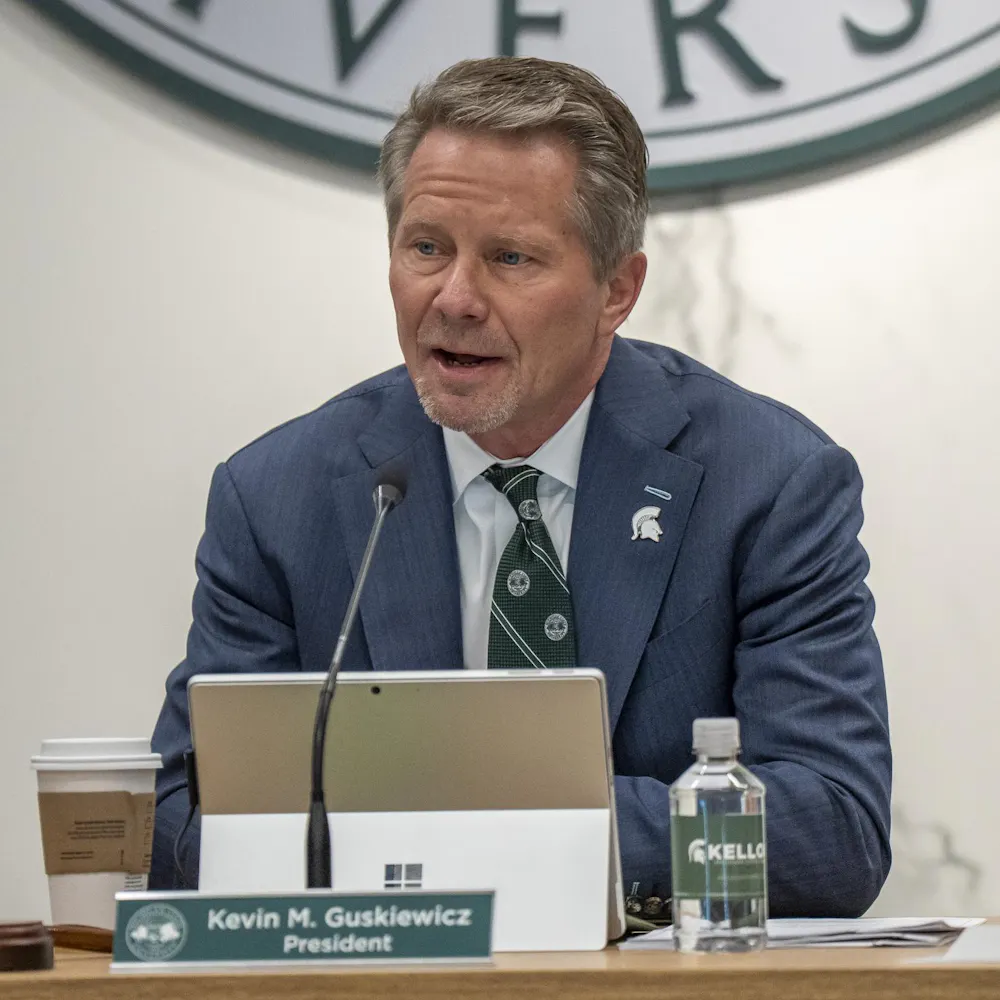
The MSU Board of Trustees recently voted to raise room and board rates by 5.25 percent effective by the next academic year. Incoming and returning students can expect to see a price increase of $350, which means it will cost about $7,026 each year for a double room and an unlimited meal plan.
The rate for university apartments also will increase by 5.25 percent. A one-bedroom apartment is expected to cost $635 instead of the current $630 and a two-bedroom apartment will increase from $699 to $735 per month.
That extra funding will not only help pay for day-to-day dorm operations, but it also will go toward select residence hall improvements and upgrades — including the infrastructural systems, elevator installation, new room furnishings and reducing asbestos.
It is understandable that the university would raise room and board rates to improve dorm conditions, but is placing a new coffee shop in Holden Hall — one of many residence hall projects in the works — really necessary when there’s one conveniently located down the road in Case Hall?
Although MSU’s room and board cost for the fall is the lowest of all the Big Ten universities and one of the lowest in Michigan, it doesn’t erase the fact that it’s costly.
A $350 price hike might not seem like much, but when factoring in previous rate increases and tuition — the board will determine that this summer — it adds up quickly.
It’s going to be a continuing trend. Since the cost of living is going up with higher gas and food prices, students should expect to pay more tuition in coming years.
When this happens, prospective students might prefer other options to save money.
Community colleges are more appealing to some students because they don’t have to live on campus and classes are a lot cheaper than at universities. Many community colleges in Michigan offer decent — sometimes exceptional — programs and courses, and are becoming a more popular alternative to a four-year university education.
Or, just forget Michigan altogether. If out-of-state costs at non-Michigan universities are lower than in-state fees, we might see masses of students migrating away from the Great Lakes.
Students who attend a university with increasing housing prices may even consider commuting to save money. Even with high gas prices, the cost of renting an off-campus apartment, buying your own food and having to drive to campus is potentially cheaper than paying the more than $7,000 to live on campus. This goes against the real dorm life, college experience universities often try to create.
Every year, students are dishing out more cash to attend college and it’s beginning to take a toll on their pocketbooks.
If the university continues on its money-hungry binge, students could lose the motivation to go to college for fear of being gouged.
Support student media!
Please consider donating to The State News and help fund the future of journalism.
Discussion
Share and discuss “Room rate hike needed, may make students flee” on social media.