On Nov. 3rd, East Lansing residents will file into City Hall and rec-centers to cast their ballots. Outside of congressional and senate candidates, East Lansing’s ballot will have the option to vote on Proposal II: East Lansing Charter Amendment to Move Local Election Years.
An effort to get the character amendment on East Lansing’s ballot was made in 2023. Gov. Gretchen Whitmer blocked it before it could reach voters.
Historically, East Lansing’s local elections have always been held on odd years. A vote "yes" on Proposal II will change this, moving East Lansing’s local elections on-cycle to even-numbered years.
Moving local elections on-cycle would mean city council members would be elected at the same time as senators, congressmen, judges and the president during regular elections. Local candidates would join the rest of the ballot.
Nazita Lajevardi, a member of Let East Lansing Vote and a political scientist, says that moving the vote to even years will "remove barriers," allowing more people to vote in their local elections.
"Only one-fourth of registered voters are voting in local elections," Lajevardi said. "Two-thirds are voting in even years, same city, same people."
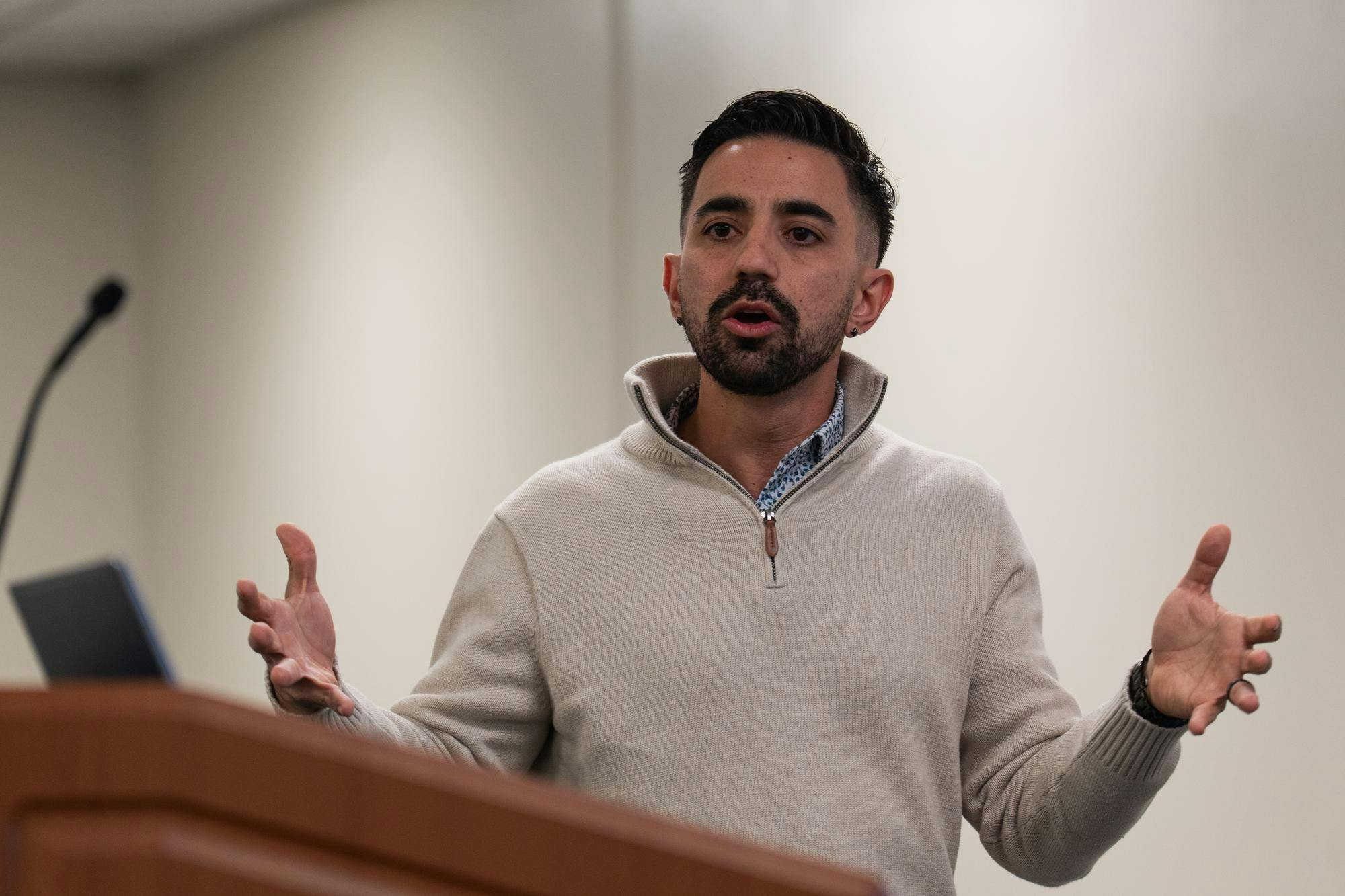
During an event on even and odd election cycles hosted by the Michigan Scholars Strategy Network, Dr. Agustin Markarian voiced a similar sentiment. Markarian, an assistant professor of American politics at Loyola University in Chicago, presented his research with the MIT Election Data and Science Lab, which found that shifting local elections to on-cycle increased voter turnout two to three times.
"This can be from ten to twenty percent in off-cycle elections, to close to 60% in on-cycle election cycles," Markarian said.
Most of the data presented came from a panel of California city elections from the years 2008 through 2016. The data accounted for race, age and income, finding that in all cases, on-cycle races better represent the electorate.
Opponents of Proposal II, including the sitting East Lansing Mayor Erik Altmann, have many concerns about moving local elections on-cycle.
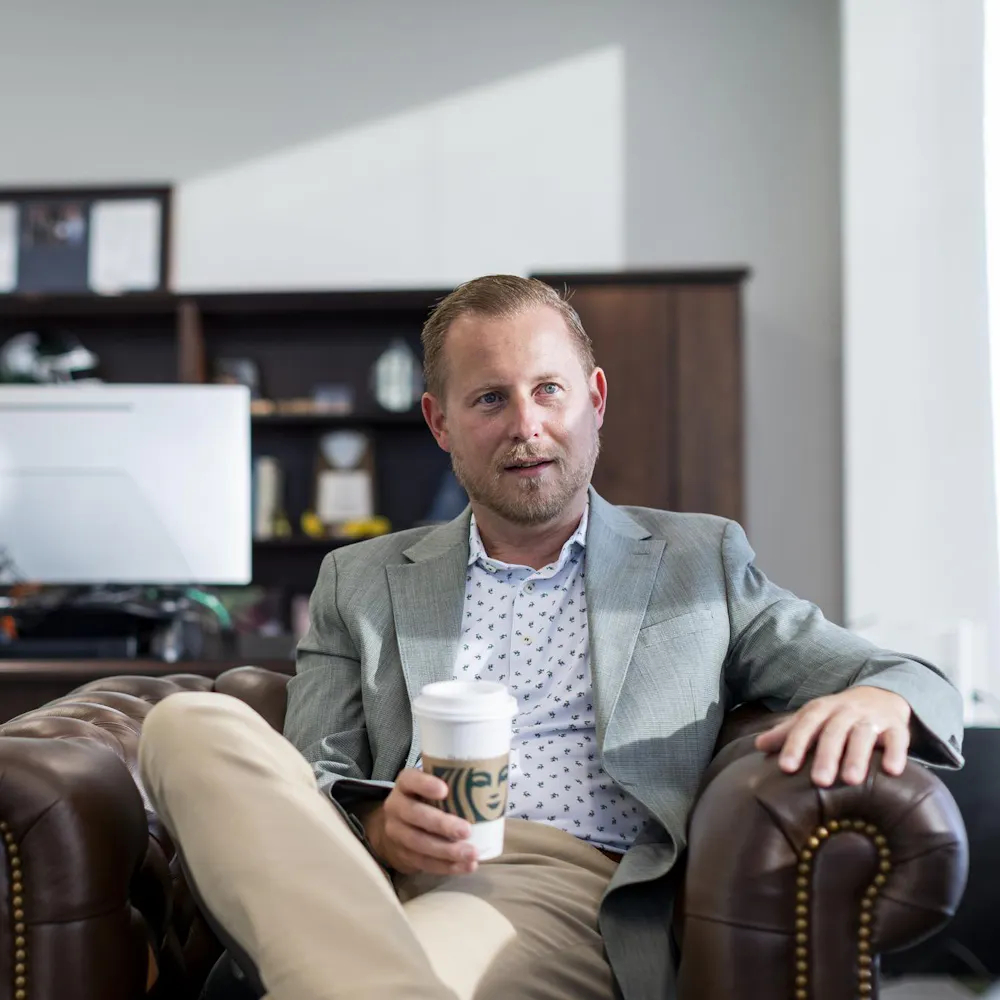
"The proponents' main campaign slogan is that more voters are better; on the surface, that's an appealing idea, but like anything else, it's more complicated than that," Altmann said.
East Lansing’s local officials are elected at-large and run on a non-partisan ticket. Believing that local elections will be overshadowed by statewide ones, the opposition to Proposal II fears that candidates will have to look to outside sources for funding. They wish to keep parties and money out of local politics.
"Everyone wants to keep money out of politics," Altmann said. "We have a system that keeps money out of local politics, and we should probably keep it."
In a response to the opposition's Keep Local Elections Local letter, Let East Lansing Vote said that they know of no peer-reviewed studies that proved those claims.
"Meanwhile, the city itself would save more than $65,000 per off-cycle election, according to a former city clerk," the response letter read. "Reaching 20,000 voters may cost more than reaching 6,000. That is the cost of talking to all of your constituents, not a sign of corruption."
Markarian's research demonstrated that moving local elections to even years depolarizes politics. A significantly larger share of the electorate was more moderate or independent voters, not favoring one party or the other.
"If you think about who’s the most invested, who has the most views in politics, those people are gonna turn out to vote anyway," Markarian said.
His research also found that more moderate mayors run and win in on-cycle elections. There was no found impact on city councilors.
"We elect reps to go and serve our interests," Lajevardi said. "When the agents are not responsive to us, we hold them accountable in elections. When elections are held during cycles when certain groups won't participate, it is harder to hold them accountable."
Support student media!
Please consider donating to The State News and help fund the future of journalism.
Discussion
Share and discuss “What's on your ballot? Proposal II and what it means” on social media.