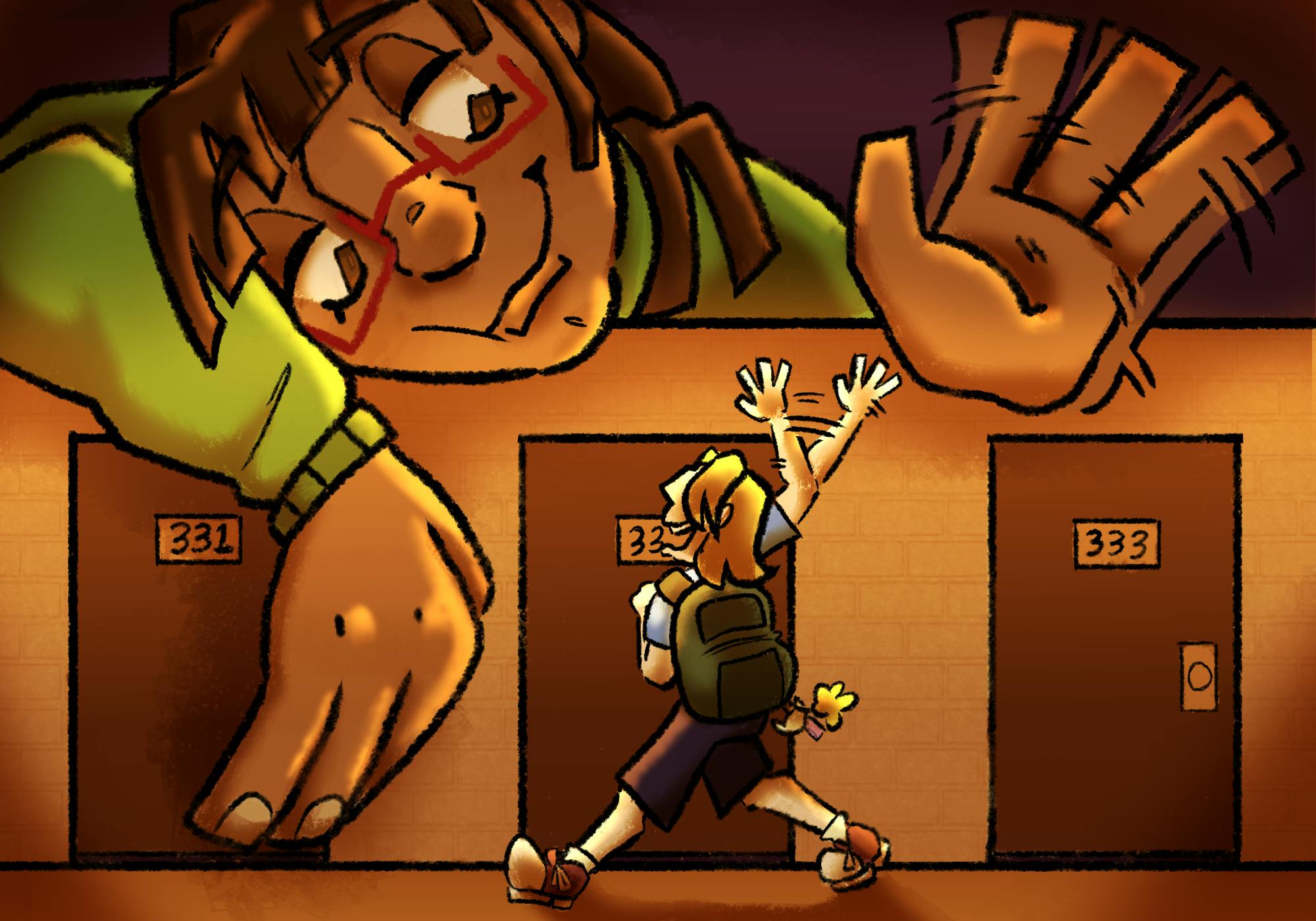
A resident assistant (RA) can be the person students see when they get locked out, need help with a problem or want to hear about quiet hours. For freshman Saanvi Guda, her RA is also the person living right next door. She was randomly assigned to live in the same suite as her RA, Emily LeGault, and was unsure what to expect.
“I thought they were more strict,” Guda said. “I assumed there would be a lot more rules.”
For RAs, that kind of support is only one part of the job. Senior Toby Bourne, a second-year RA, said residents come to him with questions about everything from navigating campus to roommate conflicts. RAs also take duty shifts, where they are available to respond to situations such as lockouts, conflicts, maintenance issues and emergencies.
During duty shifts, Bourne said RAs also make rounds through their buildings. The rounds are not meant to act as security, but to check for maintenance problems, make sure doors are working properly and address issues such as excessive noise.
“It’s more just like checking to make sure the building's good,” Bourne said.
Junior Tahira Gjukis, a first-year RA, said her responsibilities can vary depending on the week. In addition to duty shifts, meetings and helping residents, she tries to hold a floor event every month.
Her first event was a slime-making activity with cookies for residents. For the following event, she got donuts to give students a chance to stop by and de-stress.
Events are one of the ways RAs work to build a community among residents. Bourne said his events have included open-door nights with pizza, football watch parties and other activities where residents can meet people on their floor. Bourne said that simply talking to residents and getting to know them can make a difference. Keeping his door open and being willing to talk with people are some of the ways he tries to make residents feel comfortable.
Being an RA has changed how Gjukis interacts with people. Before becoming an RA, she said she tended to stay in her own bubble. Now, she pays more attention to the people around her.
“If I see a resident looking kind of sad in the hallway, I'll go up to them and talk to them, see how they're doing,” Gjukis said.
The job can also require RAs to step in when situations become more serious. Bourne has dealt with roommate conflicts and emergency situations during his time as an RA. He said those situations can be challenging because residents involved in a conflict often believe they are in the right. However, RAs have support from community directors and other live-in staff when situations become more difficult.
RAs are available from 7 p.m. to 7 a.m. during their shifts, meaning they can receive calls throughout the night. Junior Tanvi Asundi, a first-year RA, recalled a night when incidents continued until around 3:34 a.m., only for her to have to wake up early the next morning.
“It just has pros and cons, you just get an experience,” Asundi said. “I like to schedule my month and my week, so I'm pre-prepared mentally and physically, knowing that this is what might be happening.”
Before students even arrive on campus, RAs have work to do; they prepare hallway boards, complete training and send emails to residents before move-in. Asundi explained how her training included learning how to write incident reports, handle different situations and understand duty protocols.
The training also prepares RAs to connect students with resources when they need more help than an RA can provide. One moment that changed Guda’s perspective came when she and her roommate were working through their roommate agreement and were unsure how to handle something.
“She told us, ‘I can't make this decision for you, but I can help you through it,’” Guda said.
Guda also noticed the smaller things LeGault does to make residents feel comfortable. LeGault has a fish tank in her room and invites those on her floor to stop by and see the fish if they are feeling anxious. She also makes goodie bags with MSU items, snacks and drinks for residents. Those efforts may not be obvious to everyone living in the hall, but Guda said she gets to see the work that goes into them.
“I feel like a lot of the other residents may see the results, but I get to kind of see how much effort she put in just to care for her residents,” Guda said.
Bourne said he wishes residents knew how much work goes into being on call and responding to situations, while Gjukis wants students to feel more comfortable approaching RAs when they need help.
One of the biggest things Asundi has learned is that being an RA means looking at college differently. Instead of only thinking about what she would do as a student, she has to think about how she can help the students around her.
Support student media!
Please consider donating to The State News and help fund the future of journalism.
For Guda, that is what changed her perception of the role. The RA she once worried would be strict became someone she saw as a peer who was there to help.
“She's just another student, she's just here to help you,” Guda said. “Especially if you're a freshman like I was, it can be scary asking someone that you don't really know. But I think that they're there to help you, and that's the most important thing.”
The RA may have a title and responsibilities that other students do not have, but at the end of the day, they are still students themselves who are willing to help out their hall residents.
“It's nice how they see me as their helping hand,” Asundi said. “It's nice to see how much they depend on you rather than you depending on them most. It's nice to help out people.”
Discussion
Share and discuss “More than the person down the hall: What RAs do for their residents” on social media.