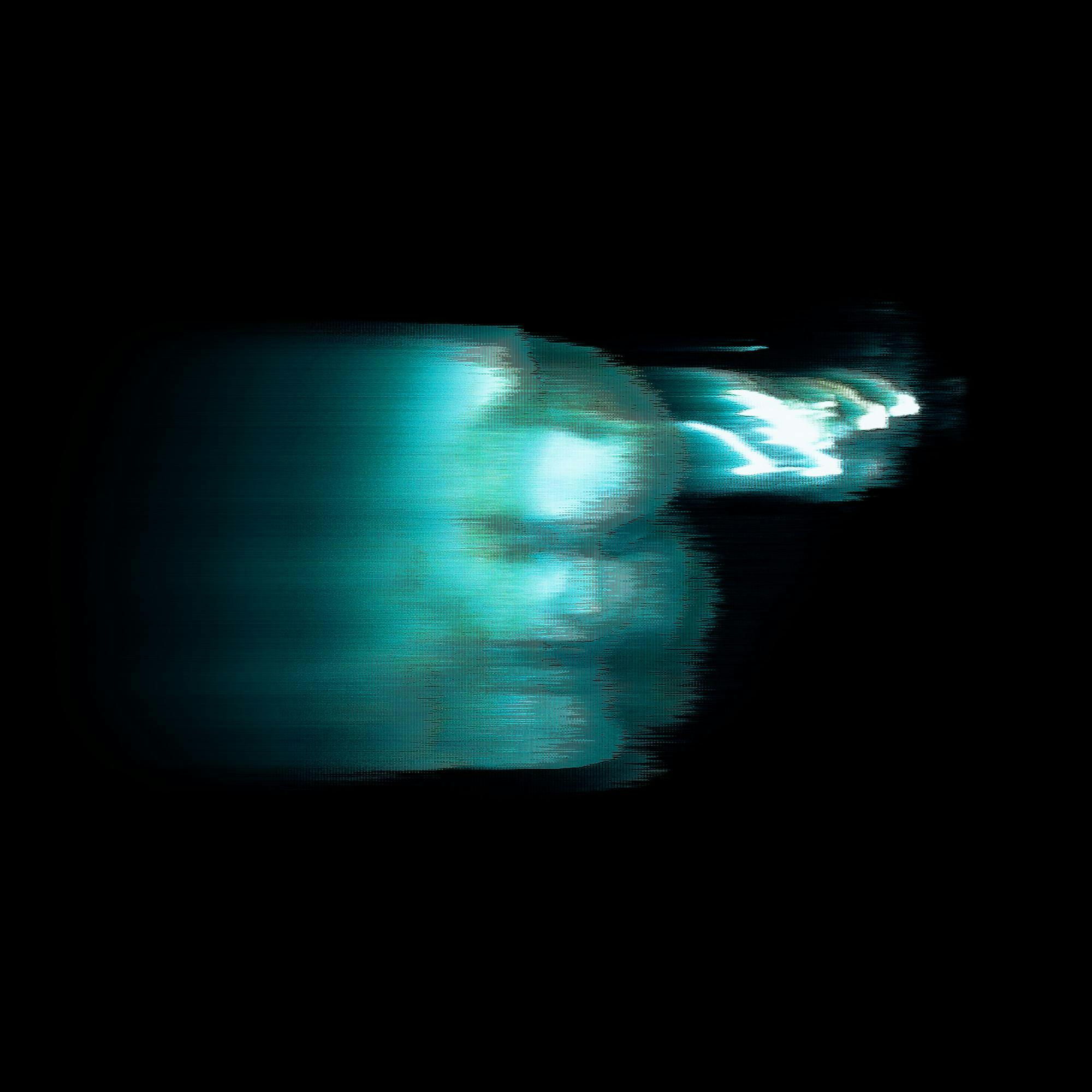
Phoebe Bridgers isn't waiting like a bird at your door to play with your emotions in her latest release, "Lost Weekend" — a musical magnum opus that sits somewhere between anguish and acceptance.
The haunting record is Bridgers's third studio album, coming six grueling years after the release of her 2020 Grammy-nominated second, “Punisher.” She released her first studio album “Stranger in the Alps” in 2017. Since “Punisher,” she has been involved in other projects, including the coming of age film “I Saw the TV Glow” and the supergroup BoyGenius, featuring artists Lucy Dacus and Julien Baker, but “Lost Weekend” marks Bridgers long-awaited solo return.
Giving bittersweetness room to breathe, “Lost Weekend” explores love and loss. In particular, it explores past relationships, the formation of a new relationship, grief and Bridgers's trouble with fame. Bridgers isn’t a stranger to the simple themes, but now expands them through her soft yet powerful vocals. She has grown since 2020, and so have we.
Bridgers shines a light on something we all feel like we don’t have enough of: time. Throughout the album, her message is clear: time isn’t of the essence, and Bridgers is all too aware. The singer-songwriter creates a world in “Lost Weekend” where time seems to slow down. She lets it stir and linger, inviting listeners to sit with feelings we might otherwise try to outrun.
The opening track, “The Outside,” playfully dances around pain as Bridgers sings, “Crying in a suit and tie / But you should see the other guy.”
Her witty and sorrowful lyrics thrust listeners into a song about grief. But with her voice drenched in a vocoder effect, it’s eerily calm, juxtaposing the song and album’s main focus: her father.
Listeners were introduced to Bridgers's relationship with her father in “Kyoto,” the third song on “Punisher,” which details how she dealt with their estrangement at the time. Now, singing about losing him in 2023, she has combined melancholy and compassion, adding a voicemail from him in “Never Going Back Again!” The height of her reflection peaks in the ending track, “Lost Weekend (Reprise),” singing, ”He's not coming back, / But I still live by the things he taught me.”
She’s not afraid to lean into the spooky lyricism that has defined her career — often sporting a skeletal costume during concerts — in “Lost Weekend” either. In “Governor's Waltz,” Bridgers references director Stanley Kubrick's horror classic “The Shining”: “I was the belle of the Governor's Ball / Hiding in the bathroom like Shelley Duvall.” But the supernatural aspects instead become otherworldly.
That seems to be a common theme with Bridgers' album rollout. Before the album’s release, the singer-songwriter invited fans to phone-free, day-of pop-up shows in different cities across the U.S., with attendees on social media saying the sets were alien-esque. Bridgers then announced a charity show at Madison Square Garden and a tour for September through December shortly after.
Playing on the surreal, “Lost Weekend” features ambient synths that create an airy sound more prominent than on “Punisher,” bringing a sense of peace to an album dripping with heartache. Bridgers uses her iconic acoustic guitar, and the folk feel is still there in songs like “Liberty Tree” and “Lost Boys.”
Beneath the experimentation, “Lost Weekend” doesn't lose sight of what makes her music compelling: the ability to make the deeply personal feel universal.
The past haunts the album, but it isn’t trapped there. Instead, Bridgers allows herself — and listeners — to sit in the uncomfortable space between what was and what comes next.
Yes, “Times are scary,” as she sings in “Kill Me,” but if we reflect, wait and understand where this scary feeling comes from, we can accept that maybe time needs to move at its own pace.
Support student media!
Please consider donating to The State News and help fund the future of journalism.
Discussion
Share and discuss “REVIEW: In 'Lost Weekend,' Phoebe Bridgers embraces anguish and acceptance ” on social media.