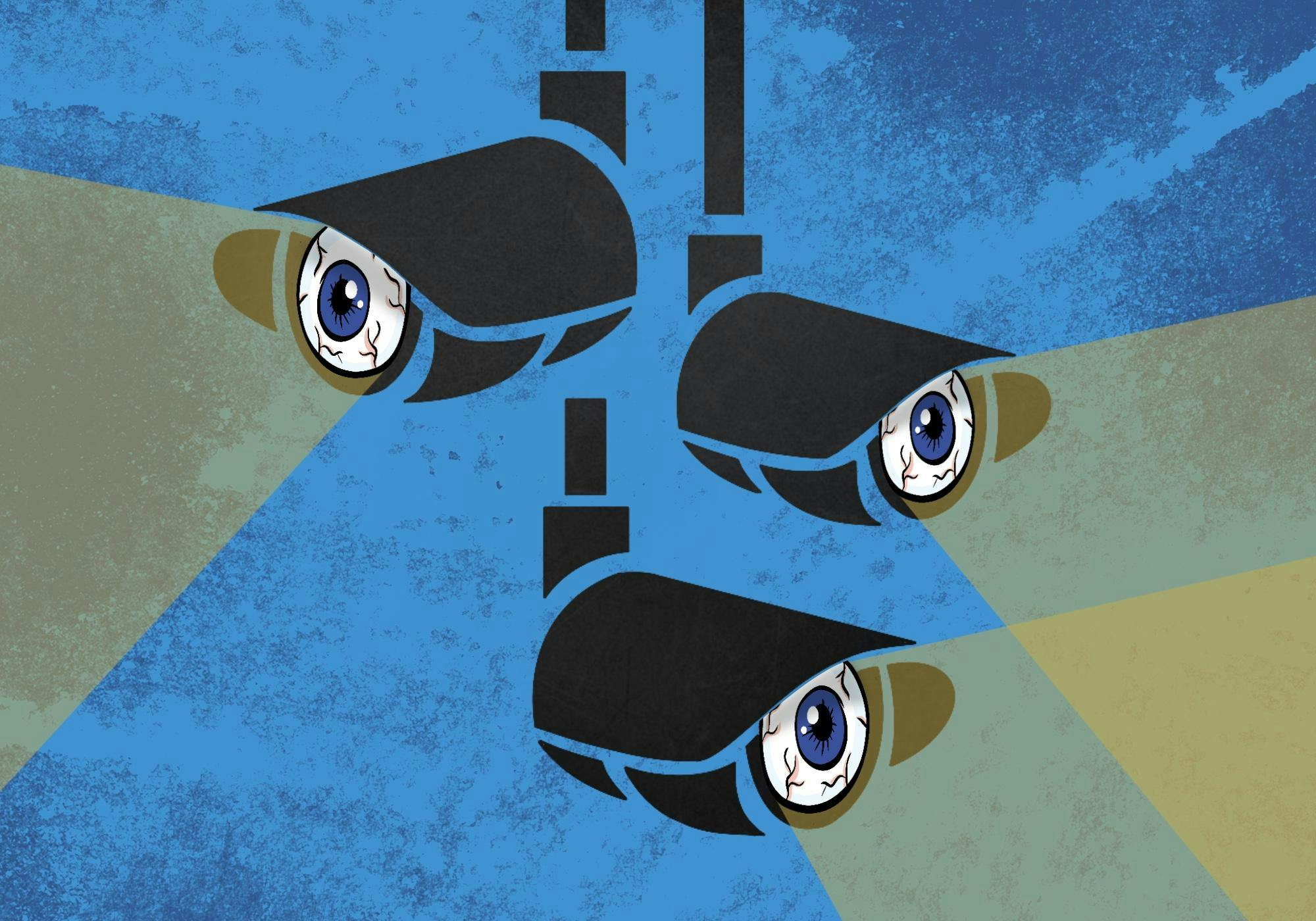
When logging onto Instagram, TikTok or other social media, the illusion of privacy is gone. Despite having private accounts or disabling targeting cookies, many know that their data can be tracked. But with each little update, subtle, privacy-invading features have been added right under our noses. Most recently in Instagram's direct messages (DMs).
The announcement came in the week of March 13-17 from Meta, Instagram's parent company. The end-to-end encryption option (E2EE) for Insatgram DMs will be removed on May 8, 2026. E2EE is a process of communication that encrypts data as it is sent from sender to recipient. It is used on most messaging platforms, and it protects messages from unauthorized access.
The last update from Meta came in December 2025, with the addition of Meta AI to personalize content, ads and creator recommendations. The Meta AI summarizer has also been added to DMs to help you sum up what you've missed, sitting on your screen as a glowing blue and purple orb. This feature is also new on other apps such as iMessages and other messaging platforms.
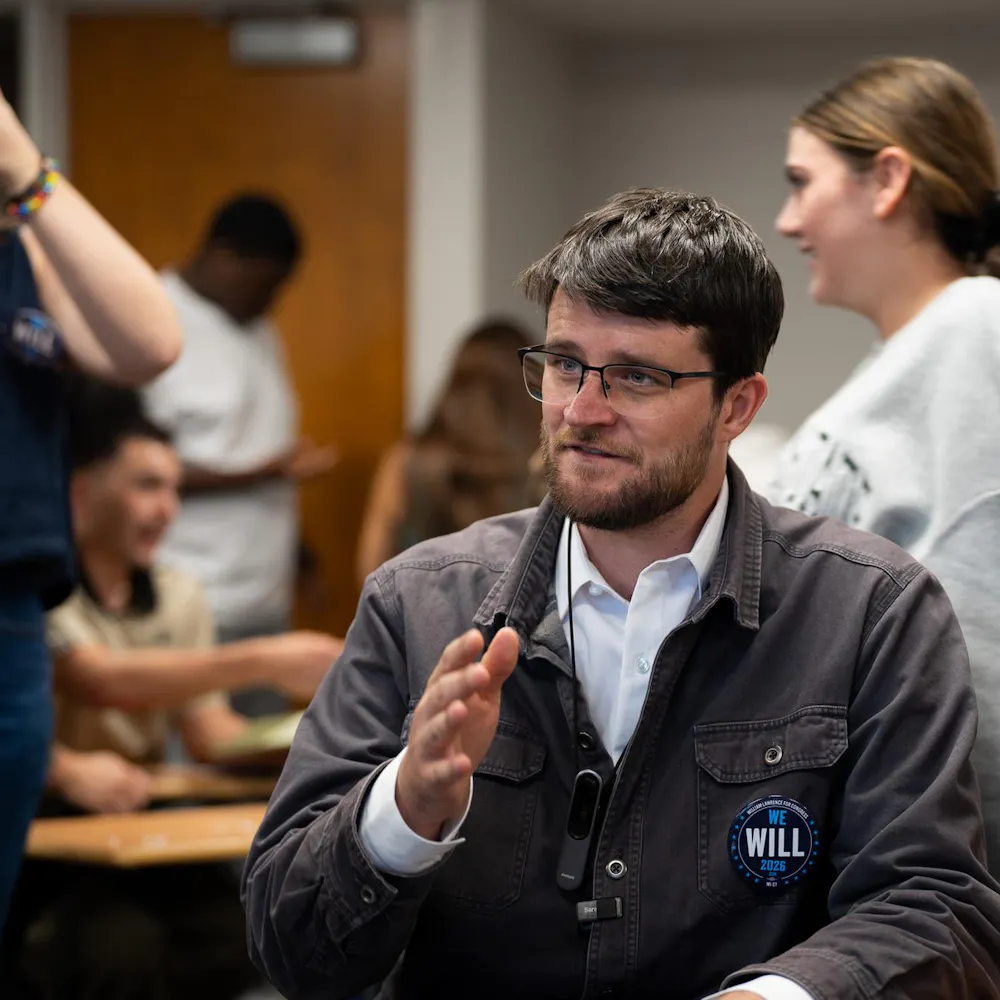
As our technology becomes more and more monitored, it becomes difficult to keep up with constantly evolving privacy laws. Students have to remain vigilant as new privacy policies are issued and try to keep up with how their data is used and monitored. Information science senior Andrew Hott does his best to keep up.
"When it’s made clear that I’m sharing data, I usually try to opt out or consider alternative services. The challenge is that many of these services and platforms feel essential or are more popular than the alternatives. As a result, I often find myself continuing to use the same services despite their data collection and privacy practices," Hott said. "I think both myself and many others tend to just accept that our data is being collected and used for other purposes and have become increasingly comfortable with it. This has led to a level of resignation even when there are ethical concerns about privacy and consent."
But some have not been as comfortable with the amount of changes being made, especially since AI has come into the picture. These changes have been reminiscent of the events warned about in popular dystopian novels such as "Fahrenheit 451" and "1984."
International relations sophomore Grace Sliwka related the AI summaries and increased technological surveillance to when she read dystopian works in high school.
"Ray Bradbury (author of 'Fahrenheit 451') showed me a world where people stopped reading because they preferred speed over substance, and today, when summaries and shortcuts often seem to replace actual books, many students adapt these practices for the simple ease of it. This trade-off of critical thought for convenience will have consequential effects on the function of society because people just won’t think for themselves anymore," Sliwka said.
Along with the loss of free thinking, Sliwka worries about exactly how her data is used.
"George Orwell (author of '1984') portrayed a society obsessed with surveillance, and today schools and social media track practically everything: attendance, keystrokes, location data, search histories and who knows what else. I would assume many students don’t realize how much data is actually being collected," Sliwka said. "Both dystopias ('Fahrenheit 451' and '1984') predicted different sides of a modern reality that seems to only continue to grow darker. It’s deeply troubling to watch a culture shift where attention is so fragmented, privacy is near impossible and technology is quietly but profoundly reshaping daily life and the structure of humanity."
Some students like civil engineering senior Kylie Camman are aware of how their data is being used and found AI summaries to be helpful in a busy schedule.
"I noticed this with iMessages and I feel like summaries on messages are a little unnecessary ... I plan on reading them anyway. I don't necessarily feel unsafe and fear that my messages will be used to exploit my personal information. It is a bit more concerning with Instagram, since Meta openly uses our personal data to target ads and tracks our information across platforms and websites. So I know my data is being used at least in that way," Camman said.
An additional emerging privacy issue in tech comes from Ray-Ban Meta Smart Glasses and other AI glasses. These glasses have begun to be used to record others without consent. Videos filmed and posted on Instagram are marked with a tag saying "Made with Meta Ray-Ban."
"I recall seeing a video on YouTube that discussed concerns with Meta’s smart glasses and how they record without user awareness. I feel as though these companies try to operate in a gray zone of sorts, where privacy concerns are technically disclosed but are subtle and easy to miss. This likely contributes to the 'acceptance' of data collection and makes it easier to overlook as an issue," Hott said.
Hott related the increasing state of surveillance in the world to Orwell’s dystopian novel "1984."
"Orwell’s '1984' presents a world of constant surveillance, where privacy and freedom have been sacrificed for control and conformity. In the novel, even independent thought, 'thoughtcrime,' is punishable. The collection of personal data for training AI functions in a way reminiscent of '1984.' With the vast amounts of data collected on humans without explicit consent, it paves way for entities to predict, shape and influence our behavior." Hott said. "Privacy is given up to benefit those in power, but it is often framed as something we give up in exchange for convenience or safety. '1984' serves as a warning, and it raises important questions about where we draw the line between control and autonomy, and how much privacy we’re prepared to give up."
Despite finding some positives with app updates, Camman agreed with similarities in the comparison to "Fahrenheit 451."
"I find some similarities to the government surveillance in 'Fahrenheit 451' because modern technology is ruining people's attention spans and prevents us from having independent thought," Camman said. "Additionally, in the book people had surveillance robots in their homes that would monitor private discussions. I don't fear that things like an Amazon Alexa is going to listen in and get me arrested, but I believe at a certain point they might be used in a similar way to target ads and content to us. It makes me think that every action I make online will be used to target content to me and sometimes I feel like I'm living in a capitalist hellscape."
Sliwka believes that AI summaries and technological surveillance will have long-lasting consequences and implications.
"Unfortunately, I only envision the problem to become worse as technology only continues to advance," she said.
Support student media!
Please consider donating to The State News and help fund the future of journalism.
Discussion
Share and discuss “Has your favorite social media become like your favorite dystopian novel?” on social media.