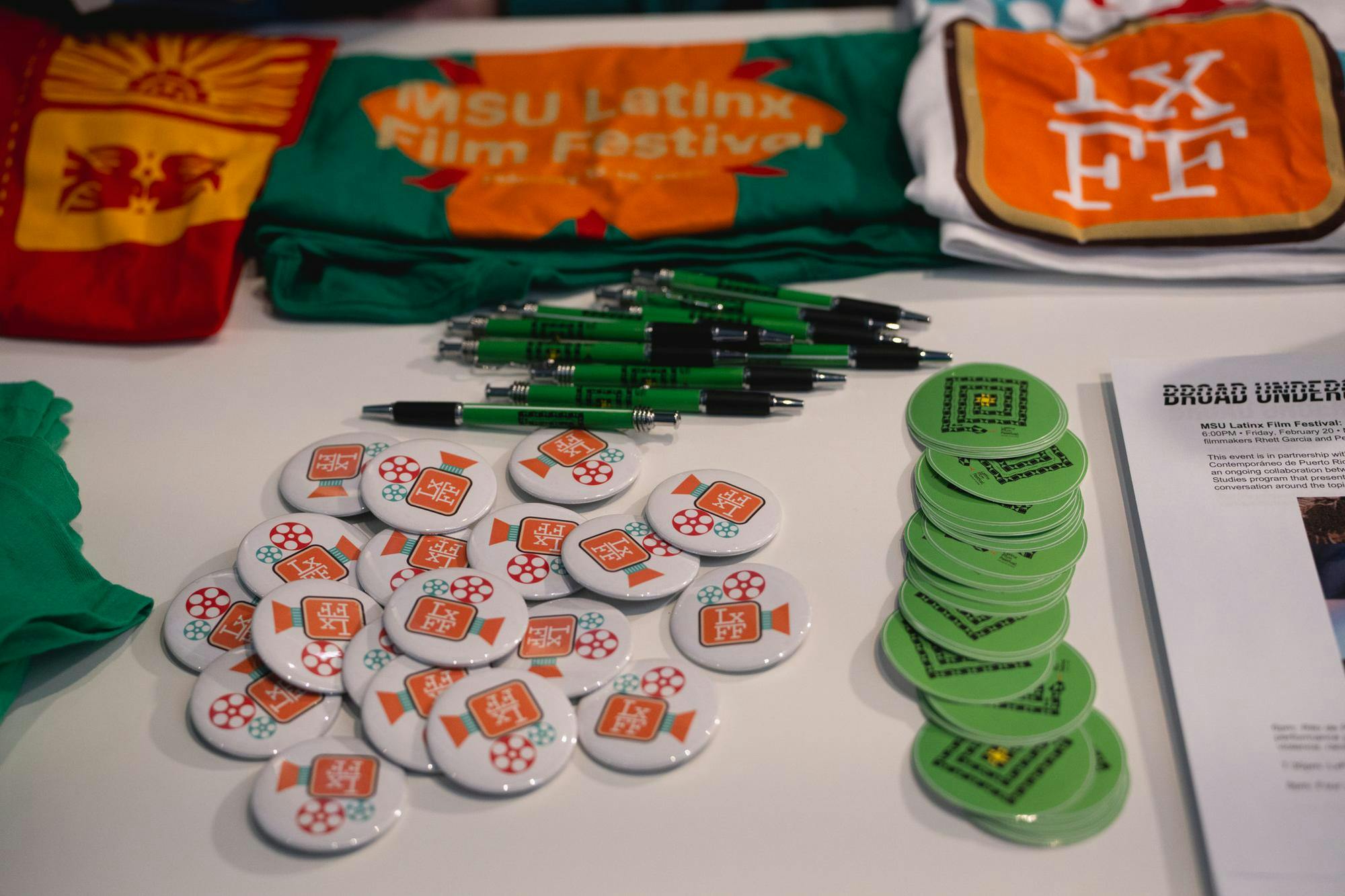
Michigan State University's Latinx Film Festival (LxFF) hosts a biannual celebration of LatinX films and filmmakers. 2026 marked the fourth celebration of LxFF, the largest Latin American film festival in Michigan.
Eight different venues throughout MSU's campus and across Lansing presented over 11 different films. LxFF gives attendees the opportunity to interact with films, dancing and music made by Latinx filmmakers. There are also opportunities for attendees to interact with filmmakers after screenings in the form of Q&As and other special events.
The dancing and music were represented in film, La Singla, and two live music events. Directed by Paloma Zapata La Singla is a film out of Spain highlighting the traditional Flamenco style dancing. The concerts took place at Lansing venues and featured bands Salsa Verde! and The Hot Sun Duo.
The films presented came from a variety of South American countries such as Brazil, Cuba, Venezuela and more; other films came from Spain and the United States. The mix of short films and longer feature films covered topics ranging from immigration, racism and child sex trafficking to environmental justice, ageism and U.S. militarism in Latin America.
The festival started on Feb. 19 and professor of environmental communication Bruno Takahashi presented one of the first films, Kakuara, People of the River at Wells Hall. Directed by Stephanie Boyd and Miguel Araoz Cartagena, the film highlights the environmental struggles of the Kukama people as they fight for the legal personhood of the Marañón River in Peru.
“One of the directors [of the film presented], Stephanie Boyd, is a colleague. I do have an ongoing research project related to the themes presented in the film," Takahashi said.
Takahashi found this film important due to the topic often being overlooked in mainstream Peruvian media and in US media. The Center for Latin American and Caribbean Studies (CLAC) produced a video featuring Takahashi that discussed the importance of highlighting the voices that are most affected in the community. Takahashi found Kakuara, People of the River to be an example of this representation.
“I wanted to share this film because it presents a story that is often ignored by mainstream media in Peru and beyond — the historical marginalization and abuses against Indigenous people in the Amazon. In addition, it showcases a collaborative film making process with those same communities," Takahashi said.
The CLAC/CLACS is an Executive Producer-level sponsor of the MSU Latinx Film Festival (LxFF). Associate Professor of Anthropology and Director of the CLAC Laurie Medina has been a main proponent of continuing the festival every other year.
“Professor Scott Boehm from Romance and Classical Studies launched the bi-annual Latinx Film Festival eight years ago, and with each edition the festival has expanded its impact across southern Michigan,” Medina said.
As the festival has grown in impact, it has also gained more sponsorships, making it more accessible.
“Collaborations with a range of MSU partners draw diverse crowds to the festival’s film and music events on campus, and screenings off campus in Lansing make the festival accessible to wider audiences; people come from Detroit, Grand Rapids, and Kalamazoo as well as the Lansing region to experience innovative films from Latin America, the US, and Spain and engage with the filmmakers who have produced them,” Medina said.
One of the students who was drawn to the festival was chemistry senior Alexa Beltz. Beltz attended the festival on its second day, Feb. 20.
“I’ve seen some festivals of this kind,” Beltz said of the film festival’s turnout on Friday. “This one definitely is the biggest and has the most films spanning over the days, which I wouldn’t expect for a college campus, and would think I would have to travel out of state to find.”
The festival took place from Feb. 19-22 with free events on the 19th and 20th open to the public. The events hosted throughout Lansing had a $5 cost of attendees.
“The Center for Latin American and Caribbean Studies is proud to support the festival, which attracts larger audiences than any other programming we offer,” Medina said.
Support student media!
Please consider donating to The State News and help fund the future of journalism.
Discussion
Share and discuss “Latinx Film Festival showcases tradition and undertold stories” on social media.