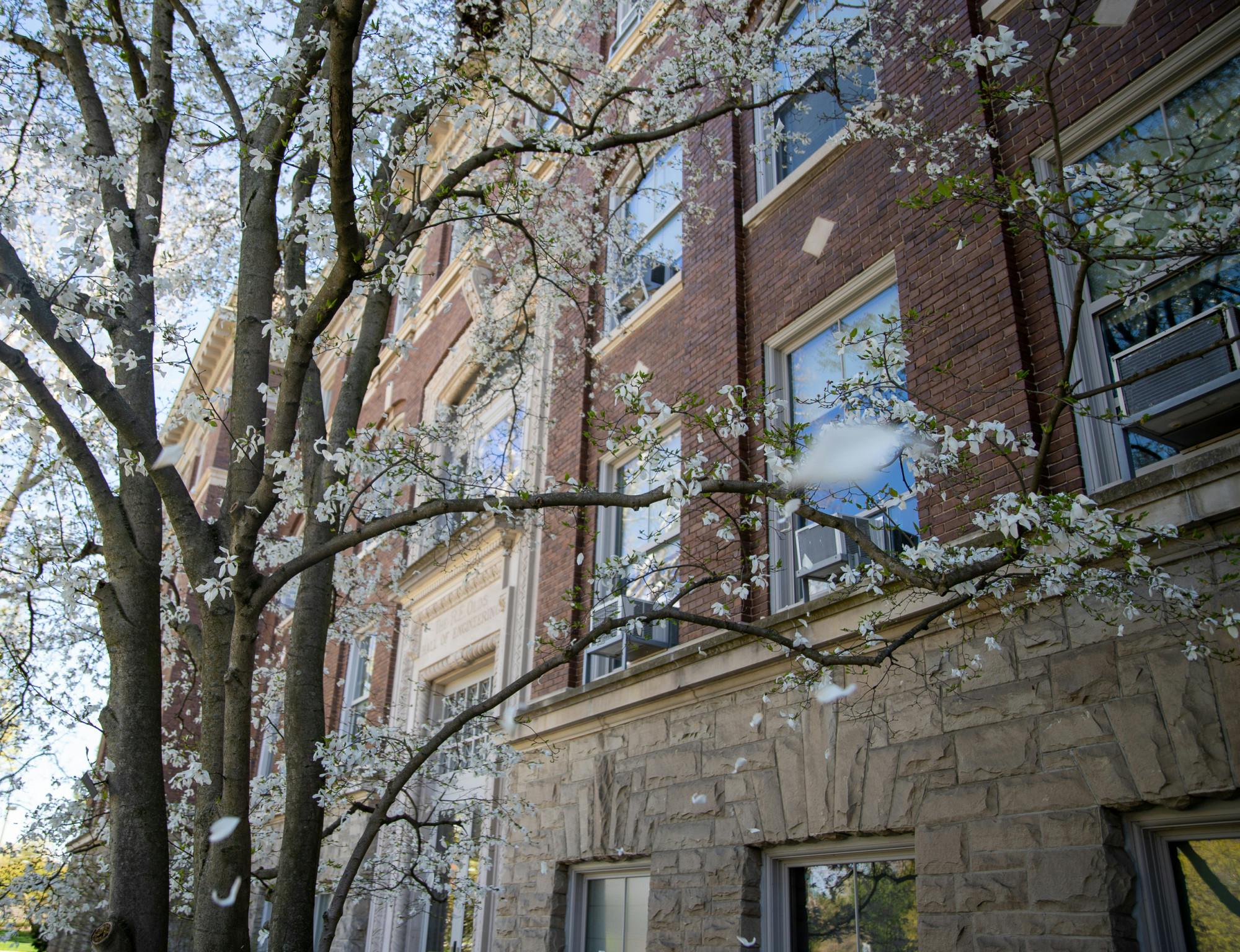
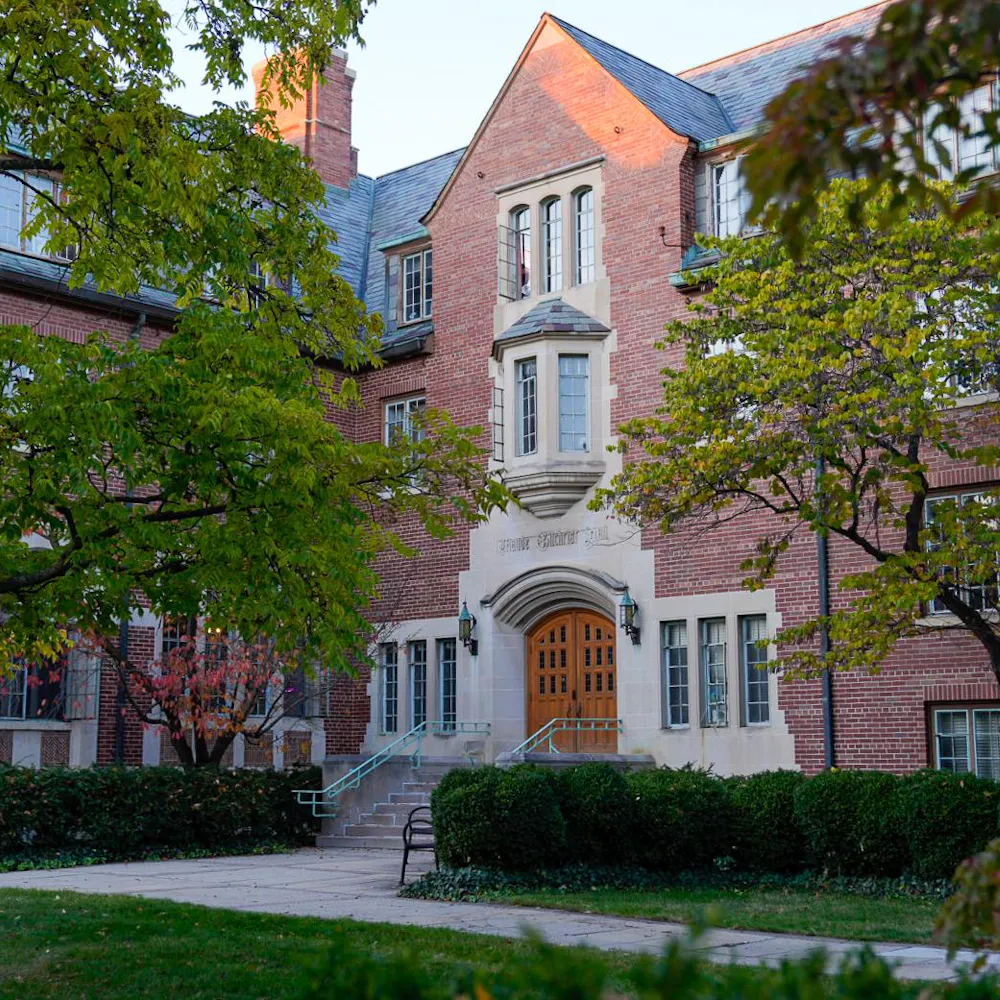
Olds Hall at Michigan State University in East Lansing, Michigan on April 13, 2022.
A new tool provides a clearer glimpse into how long it takes Michigan State University to process reports of sexual harassment and discrimination.
MSU’s Office for Civil Rights and Title IX Education and Compliance, or OCR, released an online dashboard Wednesday that displays information about how long the university takes to conduct investigations, the type of conduct reported most frequently, and the status of open cases.
University officials say giving the public access to that kind of data — an idea originally pitched by an outside consulting firm — reflects MSU’s commitment to improving its processing times, which have been heavily criticized for their slow pace.
The dashboard allows the public to track how internal changes MSU makes in its procedures impact the timeliness of investigations, Assistant Vice President for Investigation, Support, and Resolution Rob Kent said in an interview.
How OCR would actually reduce the length of its formal inquiries — during which an investigator gathers evidence and reviews witness statements — involves “granular” decisions, Kent said. Those include modifying the procedures OCR investigators use to better handle unexpected issues that may arise during the course of an investigation.
“There are certain ways that we can enhance and improve our processes to be able to reduce the amount of time that it takes while still making sure that we’re providing an equitable process where our parties feel heard and seen,” Kent said.
The data for timeframes of completed investigations relies on reports filed during and after the 2023 fall semester, with other dashboard panels using reports filed since the 2024 fall semester.
According to the dashboard, investigations into reports of relationship violence, sexual misconduct, and stalking were most frequently completed within 61 to 90 business days, which is in line with the university’s expectation for investigation timelines.
Thirty-two of the 58 completed investigations — roughly 55% — took over 90 business days, with eight requiring more than 180 days to complete. That figure doesn’t include the time it takes for investigators to decide that an initial report merits a formal investigation, the subsequent hearing, or a final decision regarding an appeal, if the respondent requests one.
Kent noted that the dashboard doesn’t distinguish investigations that have been hindered by delays from those that have been temporarily extended for “good cause” when the Title IX coordinator deems more time necessary to conduct a thorough investigation.
The database also cannot track how long it takes a case to go from the initial report to a final resolution, a timeframe that has historically taken up to a full calendar year on average.
OCR Chief of Staff Scott Jones said the university plans to expand the breadth of what data the dashboard displays and is garnering feedback from the public. He also noted that, to his knowledge, the dashboard is the first of its kind in higher education.
“We really do see this as something that is a tool for the public to be using, and so we want to be gathering feedback from that form so that we know how best to move forward,” Jones said.
Jones said work on the dashboard began in Dec. 2023, shortly after outside consultants hired to improve the timeliness of OCR investigations recommended that the office embrace public oversight as a way to improve timeliness, since “what gets measured, gets managed.”
Wednesday also marked the release of OCR’s first biennial report on changes and progress made within the office. One change noted in the report is the creation of a new “adaptable resolution process” for settling reports of prohibited conduct outside of the formal grievance process.
Exactly how the voluntary process settles a report “may take multiple forms” and is based on each party’s need, according to university policy. The claimant who made the report, the respondent, and the Title IX Coordinator must all agree to take that pathway.
Kent said giving parties the ability to settle complaints of prohibited conduct without going through the formal investigation process, or the subsequent hearing, can help those who don’t want to go through “what can sometimes be an adversarial process.”
Support student media!
Please consider donating to The State News and help fund the future of journalism.