By Mark Stryker | DETROIT FREE PRESS/MCT
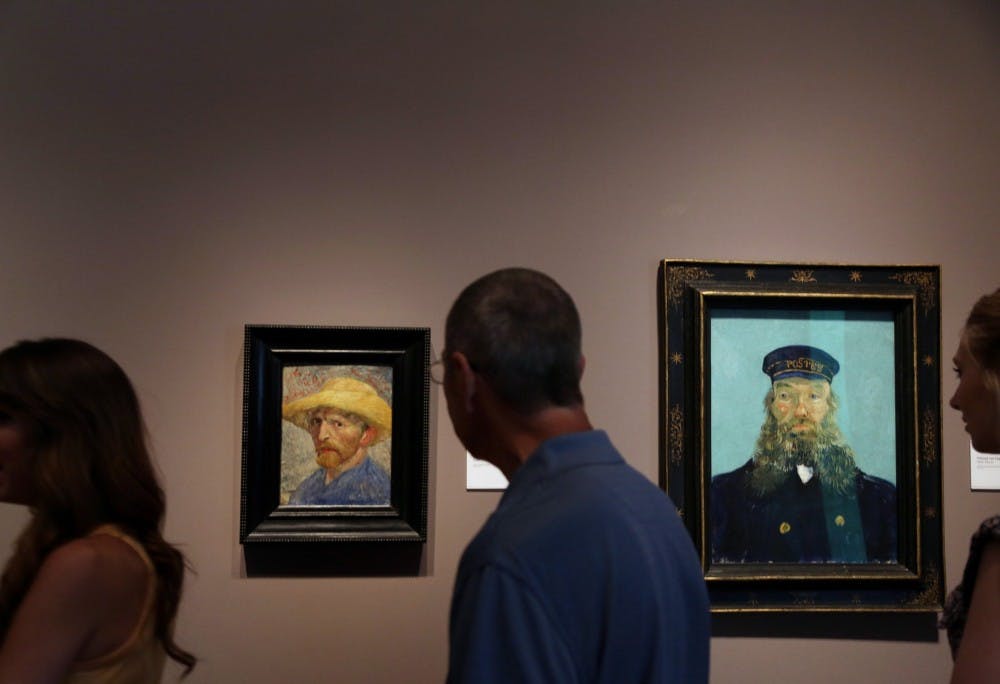
DETROIT — The nearly 2,800 pieces of city-bought art at the Detroit Institute of Arts have a fair-market value between $452 million and $866 million, according to a letter dated Wednesday and delivered to Detroit emergency manager Kevyn Orr by Christie’s auction house.
The letter, obtained by the Detroit Free Press, said that the lower number represents a conservative price and the higher represents the most advantageous price at which the art would change hands. The letter also notes that 11 of the most valuable works on display at the DIA account for 75 percent of the total value of those purchased by the city. The letter doesn’t include individual appraisals. The DIA owns about 66,000 works.
A high estimate of less than $1 billion is significantly below most predictions for the value of the art, which many observers expected to reach at least several billion dollars, perhaps as much as $8 billion. It’s also less than the roughly $1 billion to $2 billion that Orr told the Free Press on Tuesday that Christie’s estimate would confirm.
The letter from Christie’s also includes a summary of five possible ways of monetizing the collection rather than selling art: Use the art as collateral for a loan or line of credit; find a museum partner for a long-term lease of art; create a “masterpiece trust” to be accessed by members of a museum consortium, the sale and permanent loan-back from a philanthropist and traveling exhibits of select works.
DIA chief operating officer Annmarie Erickson said in a statement that all but the “masterpiece trust” idea has already been addressed by the DIA in detail. “In most cases, these alternatives will yield a token amount of money, while placing the collection at substantial risk,” she said. “The only new idea is the ‘Masterpiece Trust,’ and it is completely untested. Further complicating the trust alternative is the lack of specifics and the lack of an economic imperative for participation. With some exceptions, museums generally loan works of art free of charge, except for packing and shipping fees. How a ‘Masterpiece Trust’ would be received in the museum community remains to be seen. The DIA remains willing to engage in further discussion and due diligence regarding these and other alternatives, provided we are able to ensure the safety of the collection held in public trust.”
Christie’s figures are likely to inflame the passions of bondholders, unions and other creditors who see DIA masterpieces as a prime source for recovering the billions they are owed by the city. It also increases the chances that a court battle over the fate of the DIA will become even more contentious as Orr prepares his plan of adjustment to restructure city finances.
On another front, the lower-than-expected estimate could make it easier for Orr to justify his push to extract roughly $500 million in revenue from the DIA to help restructure the city. A high Christie’s estimate had been widely expected to increase pressure on Orr to demand even more from the DIA.
A coalition of some of the largest creditors in the case filed a motion last week asking Judge Steven Rhodes to appoint a committee to oversee an independent evaluation of the art apart from Christie’s.
In a Tuesday interview, Orr made clear that whatever the ultimate value, DIA art remains on the table. He said that he expects the DIA to contribute revenue to the restructuring plan by monetizing the art in some way, and he has not ruled out the possibility of selling works. Asked directly whether the DIA was included in his working draft of his plan Orr said: “We’d like to find a way to monetize the DIA.”
Support student media!
Please consider donating to The State News and help fund the future of journalism.
Discussion
Share and discuss “DIA's Detroit-bought art worth as much as $870 million” on social media.