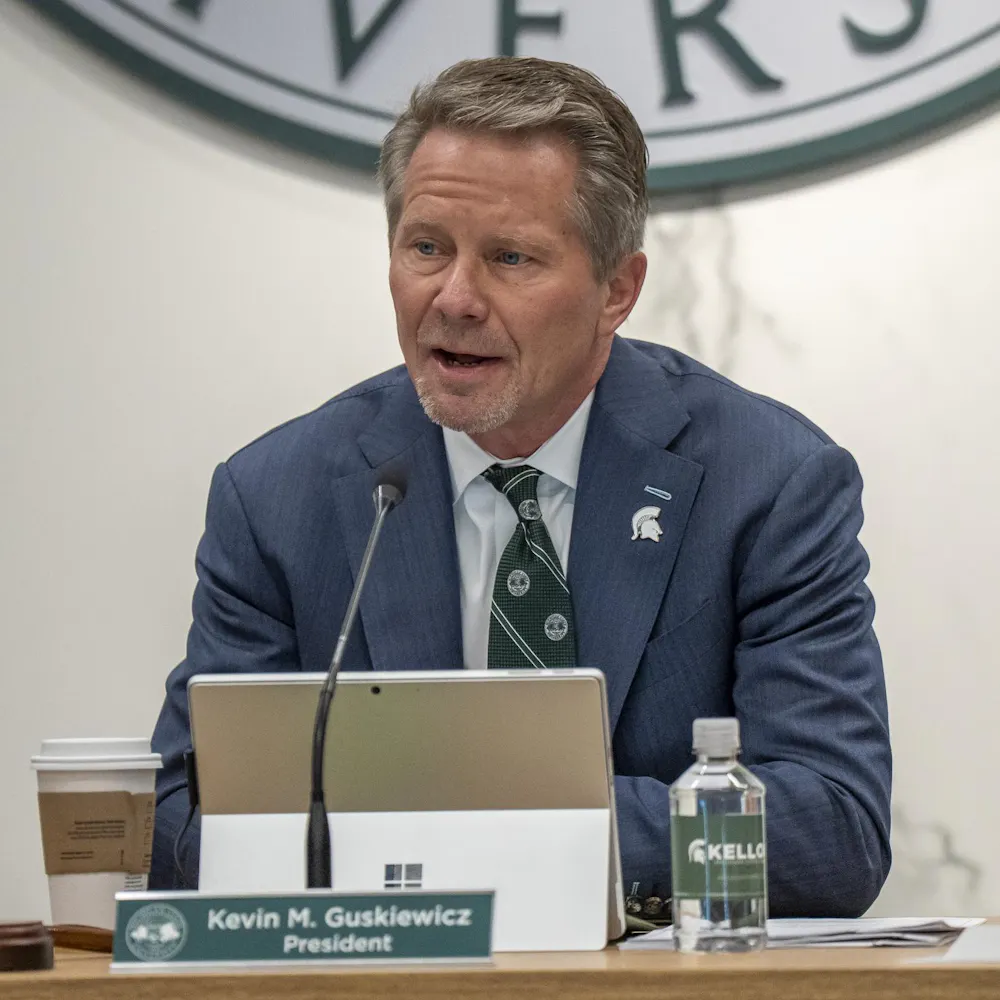
Economics professor Steven Haider is teaching more than 1,200 students this semester. With two sections of 600-student, lecture-style economics classes, he said it is impossible for him to get to know most of his students well enough to write them letters of recommendation.
Yet each spring, students in his classes approach him for letters of recommendation for graduate school or summer jobs and internships, hoping he can vouch for their character. In large lecture classes, professors such as Haider find it difficult to learn enough about their students to write them such letters, and some professors advise students to seek people who can give them a more detailed recommendation, he said.
“I believe most students are misguided when they come to professors like me who teach a large lecture,” he said. “Students are mistakenly under the impression that a big name matters, but I don’t generally believe that to be true.”
Haider said he tells students he might not be able to provide them with a statement about their personal working style because he knows so little about them, but he can include information about their scores on exams and overall ranking in his class in recommendations.
Students should try to consider who might be able to write them a letter of recommendation throughout their college experience, said Tammison Smith, career advising and training coordinator for the Career Services Network.
Graduate student Dzmitry Velikan said in his experience asking for letters, he considers the relationship with the person he asks to be the most important factor when seeking a recommendation.
“If I had to choose what is the priority, I think knowing me better is the first priority and the position is the second one,” Velikan said.
Smith recommends students try to connect with professors who teach classes they feel passionate about, and students should preface that they might later ask for a letter of recommendation at the end of the class. She said because professors teach so many students, it also might be necessary for students to remind the professor of projects the student worked on in the class when later requesting a letter.
Velikan said since he has been in graduate school, he has worked to make forming relationships with his colleagues, supervisors and professors a larger priority.
Graduate student Rob Shorette agreed that it is important to get to find mentors early on to make the process of gathering letters of recommendation easier.
“I’ve never asked for a letter from someone I don’t know very well,” Shorette said.
Shorette said in the past, he has bonded with professors who teach his classes and sought them out as mentors after the class is finished. When it came time for him to seek a letter of recommendation, he had no doubt his mentors would attest to his character, he said.
After developing a strong relationship with a professor or other mentor, students should consider requesting a recommendation in the future to help boost their career opportunities, Smith said.
“That would be a fine way to finish off the relationship,” she said.
Support student media!
Please consider donating to The State News and help fund the future of journalism.
Discussion
Share and discuss “Students look to professors for letters of recommendation” on social media.